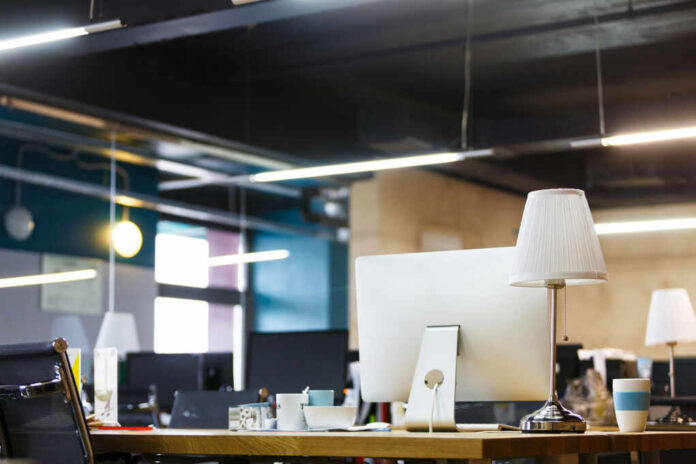
Your office desk harbors 400 times more bacteria than a toilet seat, exposing American workers to unseen health threats in everyday workspaces.
Story Highlights
- University of Arizona study swabbing over 7,000 office samples ranks desktops, phones, and keyboards among the germiest spots, far dirtier than toilets.
- Women’s phones, keyboards, and peripherals show higher bacteria levels than men’s desks, highlighting hygiene differences.
- Daily chlorine-based wipes reduce bacteria by over 99%, offering a simple fix for shared office and home environments.
- Keyboards accumulate germs from eating and poor handwashing, with rapid regrowth in schools within 2-5 days post-cleaning.
- Pathogens like E. coli, staph, and salmonella detected, underscoring risks in high-touch areas amid post-COVID hygiene focus.
University of Arizona Pinpoints Top Germ Hotspots
Chuck Gerba’s team at the University of Arizona swabbed over 7,000 samples from offices in New York, San Francisco, Tucson, and Tampa. They identified telephones, desktops, water fountain handles, microwave door handles, and computer keyboards as the five germiest surfaces. Desktops averaged more bacteria than toilet seats—up to 400 times more in some measures. Pathogens including staph, E. coli, and salmonella appeared frequently. The study swabbed 12 areas per office, revealing hygiene gaps in routine workplaces.
Gender Differences Emerge in Workspace Bacteria Levels
Women’s phones, keyboards, mice, and pens carried higher bacteria counts than men’s desks in the UA study. Researchers attributed this to usage patterns and cleaning habits. Men’s desks showed elevated levels overall, but women’s personal items stood out. This finding echoes in later reports, though not universally replicated. Shared high-touch items amplify risks for all workers, especially in open offices where cross-contamination spreads quickly through human-sourced microbes from skin, mouth, and gut.
Recent Studies Confirm Persistent Desk Dirtiness
The Fasthosts 2021 home office study found desks three times dirtier than toilets, with keyboards harboring faecal coliforms from unwashed hands. A 2018 school desk analysis showed microbes recover in 2-5 days after cleaning, outpacing semesterly schedules. Dr. Jonathan Cox of Aston University warned that tidy desks and handwashing before eating cut microbial loads. These results build on UA’s early 2000s work, consistent across offices, homes, and schools.
UA’s Germiest Jobs report ranked teachers’ keyboards highest at 95,600 germs per square inch—26 times radio DJs. Swinburne University research confirmed shared keyboards exceed personal ones in bacteria.
Practical Solutions and Expert Recommendations
Daily chlorine-based wipes slashed bacteria by over 99% in Gerba’s tests, proving effective against common pathogens. Gerba noted keyboards get germy from “bagel-flake snowstorms” during meals without handwashing. Cox stressed moist surfaces attract germs from fingertips. Schools and facilities should adopt frequent protocols over infrequent deep cleans. Post-COVID awareness has boosted hygiene, potentially cutting sick days and costs for businesses reliant on healthy workforces.
Cleaning firms like Pritchard Industries advocate daily disinfection of hotspots. Economic impacts include wipe expenses offset by reduced illnesses. Traditional American self-reliance shines here—personal responsibility via simple habits protects families and productivity without government mandates.
Sources:
Prairie Fare: Workplace Phones and Desks are Germy Spots
School Desk Microbiome Study (PubMed)
Bacteria on Computer Keyboards vs. Toilet Seats
UA Study: Germs Abound in Class
The Top 8 Dirtiest Areas in the Office