
A shiitake mushroom extract clears high-risk HPV in just six months, offering women a natural edge against cervical cancer.
Story Snapshot
- Dr. Dana Cohen prescribes AHCC from shiitake mushrooms at 1.5g twice daily to eliminate persistent HPV.
- Folate-rich foods like lentils, eggs, spinach, and bananas counter low levels linked to higher cancer risk.
- Hydration and stress reduction through meditation, acupuncture, and massage bolster immunity alongside vaccination.
- Over 90% of cervical cancers stem from HPV; holistic strategies complement screening for proactive defense.
Dr. Dana Cohen’s Practice and Expertise
Dr. Dana Cohen treats over 90% women patients in New York City who seek holistic cancer prevention. She graduated from St. George’s University School of Medicine in 1995. Her mindbodygreen article details immune-boosting strategies against HPV, the root cause of most cervical cancers. Cohen integrates these with HPV vaccination and regular screening. Patients follow her protocols daily to enhance natural defenses.
Core Strategy One: Nourish Immunity with Targeted Nutrients
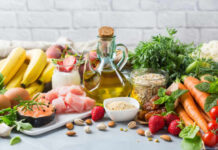
AHCC, derived from shiitake mushrooms, clears high-risk HPV in six months at 1.5g twice daily. Studies back this immune modulation. Folate deficiency raises cervical cancer risk; sources include lentils, eggs, spinach, and bananas. Cohen recommends these foods to support DNA integrity and viral clearance. Women vulnerable to persistent HPV benefit most from consistent intake.
Core Strategy Two: Maintain Hydration for Cellular Health
Hydration supports immune function and detoxification, essential against HPV persistence. Cohen advises patients drink ample water daily. Dehydration weakens cellular defenses, allowing viral replication. Simple habit changes yield measurable improvements. This foundational step pairs with nutrients for compounded effects on precancerous changes.
Core Strategy Three: Reduce Stress to Strengthen Defenses
Chronic stress suppresses immunity, prolonging HPV infection. Cohen deploys mindfulness, meditation, aromatherapy, acupuncture, and massage. These tools lower cortisol and enhance NK cell activity. Patients report better well-being and viral control.
Scientific Backing and Broader Context
Over 90% cervical cancers link to high-risk HPV; vaccines like Gardasil since 2006 dropped U.S. diagnoses to about 14,000 yearly. Integrative approaches from naturopathic traditions amplify this. Broccoli extracts like DIM show 85% avoiding LEEP in pilots, though spontaneous regression occurs. Curcumin aids premalignant lesions. Large RCTs remain limited.
Experts like Aviva Romm report HPV-free outcomes with 3-12 month botanical protocols alongside Pap tests. Health organizations such as UC Health and Moffitt endorse diet and exercise as secondary aids. Antioxidant foods fight HPV persistence.
Impacts and Practical Adoption
Short-term, patients achieve HPV clearance and stress relief. Long-term, risks of dysplasia drop via folate’s DNA protection. Cost-effective foods and supplements empower underserved women. Wellness markets grow, validating naturopathy. Risks include delaying screening; experts stress holistic tips augment—not supplant—vaccination and Pap smears. Self-HPV tests emerge globally.
Sources:
I’m a holistic MD: What I tell my patients to do to lower cervical cancer risk
3 Ways Integrative Medicine Can Lower Cervical Cancer Risk: SOM Grad Featured in mindbodygreen
How to Prevent Cervical Cancer: Expert Tips and Essential Screening Information
10 Natural Ways to Treat Cervical Cancer with Alternative Medicine
How Do Naturopathic Doctors Help Prevent and Treat Cervical Dysplasia and HPV?
Natural Products for the Prevention and Treatment of Cervical Cancer
Alternative Pap Smear Could Reduce Cervical Cancer Deaths
Do Certain Foods Fight Cervical Cancer?