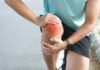


A common kitchen fiber beats out turmeric for knee pain relief with sky-high adherence and a surprising gut twist that could rewrite how we fight joint agony.
Story Snapshot
- Boswellia serrata tops 2025 meta-analyses for knee pain and stiffness reduction, outperforming turmeric in key metrics.
- Inulin prebiotic fiber slashes pain in six weeks per University of Nottingham trial, with just 3.6% dropouts versus 21% for physiotherapy.
- Turmeric remains effective but loses edge to these alternatives in recent head-to-head data.
- Gut microbiome link via inulin boosts GLP-1, tying belly health to joint relief.
- Patients gain NSAID alternatives, cutting GI and heart risks long-term.
Boswellia Serrata Emerges as Top Performer
Researchers analyzed multiple trials in a 2025 meta-review and crowned Aflapin, a Boswellia serrata extract, the most effective for knee pain. It delivered the highest probability of pain relief with WOMAC score improvements of 10.58 points. Stiffness dropped 9.47 points, both statistically significant at p less than 0.05. This Ayurvedic resin inhibits the 5-LOX enzyme, slashing inflammatory leukotrienes, CRP, and TNF-alpha. Patients notice benefits after four weeks minimum. Medical groups endorse it for osteoarthritis.
Inulin Trial Reveals Gut-Pain Connection
University of Nottingham scientists ran the INSPIRE trial on 117 knee osteoarthritis adults. Daily inulin cut pain and boosted function over six weeks. It matched physiotherapy results but crushed adherence with 3.6% dropouts against 21%. Inulin shifts gut bacteria, spiking GLP-1 hormone that aids muscle and curbs pain. This prebiotic fiber challenges direct anti-inflammatories by linking microbiome health to joints.
Turmeric’s Solid but Outpaced Record
A 2021 meta-analysis of 11 trials with 1,258 participants proved curcumin matches NSAIDs for pain and function without gut side effects. Bioavailable forms like Theracurmin shine brightest. Yet 2025 comparisons show Boswellia edges it statistically. American College of Rheumatology ditched glucosamine-chondroitin hype, spotlighting evidence gaps. Curcumin risks blood thinner clashes, underscoring supplement vigilance.
Mechanisms Drive Real Differences
Boswellia targets inflammation pathways turmeric overlaps but doesn’t dominate. Inulin pioneers gut-muscle signaling, absent in spice extracts. Combinations like curcumin-Boswellia offer synergy via distinct routes, though singles win specific stats. Arthritis Foundation pushes standardized Boswellia with 5-Loxin or AKBA labels. Ginger and MSM falter on evidence, despite hype. Patients sidestep NSAID risks—GI bleeds, heart issues—that plague millions yearly.
Patient and Market Shifts Accelerate
Older adults ditch pills for these naturals, slashing complication costs. Supplement firms chase validated Boswellia and inulin lines. Guidelines update fast, like Arthritis nods to Boswellia. Long-term, gut therapies may hit other pains. Healthcare saves as adherence soars. Limited data on durations persists, but trials converge on these leaders.
Industry and Guideline Evolutions
Manufacturers standardize after flops like glucosamine. Pharma eyes hybrids amid demand surge. Rheumatology bodies pivot to data-driven picks, ditching weak links. Patients with NSAID bans thrive most. This microbiome pivot extends lifestyle medicine, cutting systemic woes. Strong facts demand quality checks—avoid unverified claims.
Sources:
https://www.jinfiniti.com/best-joint-supplements-for-knees/
https://pmc.ncbi.nlm.nih.gov/articles/PMC12348802/
https://www.aarp.org/health/drugs-supplements/supplements-for-joint-pain-relief/
https://hartfordhealthcare.org/about-us/news-press/news-detail?articleId=71031
https://lifestylemedicine.stanford.edu/supplements-joint-health/