

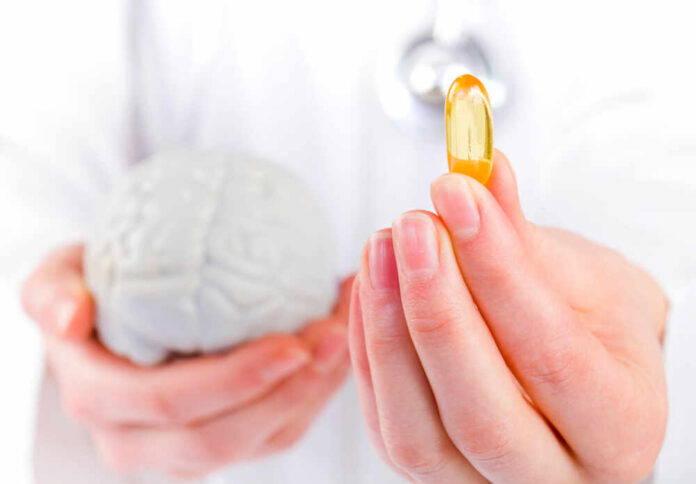
Americans spend over $3 billion a year on brain supplements, and the nation’s top medical institutions say almost none of it is backed by solid science.
Quick Take
- Harvard, Mayo Clinic, and AARP all say no brain supplement has been proven to improve memory or prevent dementia.
- A federal court ruled in 2024 that Prevagen, one of the best-selling brain supplements, made false advertising claims with no scientific backing.
- Creatine monohydrate is the one ingredient with real peer-reviewed studies showing modest memory and attention benefits in adults.
- Supplements are not approved or tested for safety by the Food and Drug Administration (FDA) before they hit store shelves.
The Marketing Machine Behind Brain Supplements
Walk into any pharmacy and the brain supplement aisle looks like a science fair. Words like “clinically tested,” “memory support,” and “cognitive boost” cover every bottle. But those phrases are not the same as FDA approval. Under the Dietary Supplement Health and Education Act of 1994, supplement makers can sell products with bold claims without proving they work. They just need a small disclaimer saying the FDA has not evaluated the claim. That loophole has built a billion-dollar industry on very thin scientific ice.
Mayo Clinic Primary Care states flatly that no large clinical trials or high-quality evidence suggest any brain supplement product is beneficial. That is not a soft warning. That is the gold standard of medicine saying: the proof is not there. And yet the shelves stay full, the ads keep running, and older adults keep buying.
The Prevagen Verdict Should Be a Wake-Up Call
Prevagen is the purple-boxed supplement you have seen advertised on every cable news channel aimed at adults over 50. In 2024, a federal court ruled against its makers, finding that their claims of improving memory and brain function were false advertising with no scientific support. The active ingredient, a protein derived from jellyfish, does not survive digestion well enough to reach the brain. The Federal Trade Commission (FTC) won that case. It should make every consumer think twice before trusting any supplement brand’s memory claims.
What Harvard and AARP Actually Found
AARP’s Global Council on Brain Health reviewed the evidence in June 2019 and said it could not endorse any ingredient or supplement designed for brain health. Harvard’s Dr. Pieter Cohen said there is no evidence any ingredient in these products can improve brain health or prevent memory loss. Stanford Professor of Medicine Frank Longo put it simply: no supplement has been proven to prevent dementia. These are not fringe opinions. They represent the consensus of the most trusted names in American medicine.
Mayo Clinic’s Dr. Ronald Petersen, who directs the Alzheimer’s Disease Research Center, says most people do not need supplemental nutrients at all. Diet, he says, is the best way to get brain-boosting nutrition. Food first is always smarter than a pill that skips the regulatory process entirely.
Creatine Is the Honest Exception Worth Knowing About
Here is where the story gets more interesting. While the broad category of brain supplements deserves its skeptical reputation, creatine monohydrate stands apart. A peer-reviewed systematic review found creatine supplementation produced meaningful improvements in memory and attention time in adults, with stronger results in women and adults aged 18 to 60. A separate study published in Nature found a single dose of creatine improved word memory and reaction speed, even after sleep deprivation.
Creatine is also one of the most studied dietary supplements in history, with 25 years of research confirming its safety and no harmful effects on kidney function in healthy adults. Vegetarians show even stronger cognitive responses, likely because they get little creatine from food. This is not hype. These are published, peer-reviewed findings. The caveat is that most studies are still small, and large multi-year clinical trials in older adults have not been completed yet.
What You Should Actually Do Before Buying Anything
The supplement industry is loosely regulated, meaning you often cannot confirm that what is on the label is actually in the bottle. The FDA does not test supplements for purity or accuracy before they are sold. That alone is a reason for caution. If you are considering any supplement for brain health, talk to your doctor first. Ask about your diet. Ask whether a specific deficiency, like low vitamin D or B12, might actually apply to you personally. Targeted nutrition based on a real deficiency is a very different thing than buying a generic “memory boost” pill off a shelf.
The honest bottom line is this: most brain supplements are expensive placebos dressed up in scientific-sounding language. The one ingredient with real evidence behind it, creatine, is also the cheapest and least glamorous option on the shelf. That tells you something important about how this industry works.
Sources:
mindbodygreen.com, aarp.org, health.harvard.edu, webmd.com, newsnetwork.mayoclinic.org, health.clevelandclinic.org, washingtonpost.com, pubmed.ncbi.nlm.nih.gov, nature.com, pmc.ncbi.nlm.nih.gov