

The “secret weapon” for microplastics isn’t a miracle detox at all—it’s the unglamorous daily habit that decides what gets absorbed and what gets flushed.
Quick Take
- Microplastic exposure is now ordinary: air, water, packaging, and food all contribute.
- The strongest evidence so far points to certain fibers that can bind particles in the gut and increase excretion—mainly shown in animal research and early human correlations.
- Wellness headlines oversell “elimination,” but the practical goal is reducing absorption and harm, not pretending you can live plastic-free.
- Simple diet shifts that raise fiber toward roughly 30 grams per day can support gut barriers and overall resilience while the science matures.
The headline promises a detox; the science points to your gut
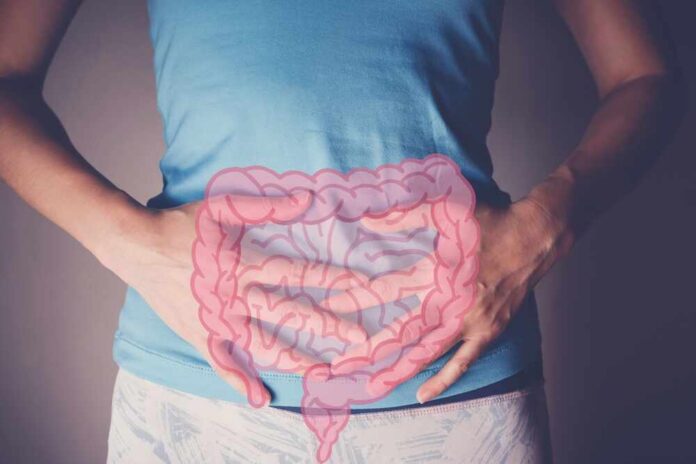
Microplastics have become the background noise of modern life: tiny fragments from tires, textiles, and packaging that drift into water, soil, seafood, and processed foods. Researchers keep finding them in places nobody wants to imagine, which is why “eliminate microplastics” sells so well. The more grounded story focuses on the gut, because the gut is where many particles either get trapped and excreted—or slip through.
Dietary fiber sits at the center of this narrative for a simple reason: it changes what happens inside the digestive tract. Certain fibers form gels, increase stool bulk, and speed transit time. If microplastics arrive with food, a fiber-rich environment can reduce contact time and may physically bind or trap particles before they cross into circulation. That’s not a cleanse; that’s plumbing, and it’s refreshingly un-mystical.
Why “a food that eliminates microplastics” is an oversell
The public wants one hero ingredient—okra water, fenugreek, berries, some exotic supplement—because it feels controllable. Research doesn’t support that kind of certainty yet. The most responsible read is that multiple foods may help in different ways: some fibers may bind particles, and antioxidant-rich foods may blunt inflammation or oxidative stress linked to exposure.
The most persuasive studies highlighted in this debate include lab and animal work showing improved excretion with specific fibers, plus early human signals connecting higher fiber intake to lower levels detected in the bloodstream. That’s encouraging, but it’s not the same as a large, well-controlled trial proving you can “flush” your way to zero.
Chitosan and the binding idea: promising, but not a blank check
One research thread getting attention involves chitosan, a fiber-like compound derived from chitin (found in shellfish shells). In animal experiments, chitosan appears to bind microplastics in the gut and increase excretion compared with controls. That mechanism is plausible: if a compound grabs particles and keeps them in the digestive “exit lane,” fewer make it past the intestinal barrier. The leap from rat intestines to human guarantees remains unproven.
Another reason this matters: not all fiber behaves the same. “Eat more fiber” is good advice, but the public conversation often ignores the difference between soluble fiber, insoluble fiber, and specialized binders like chitosan. If future research confirms that certain fibers consistently bind microplastics, food manufacturers will likely race to fortify products and market them aggressively. Consumers should demand real clinical outcomes, not just clever packaging.
The practical target: reduce absorption, support resilience, lower exposure
Microplastic fear can push people toward expensive filters, gimmicky supplements, or fatalism. The more useful approach stacks small advantages. Raising fiber intake toward the commonly recommended neighborhood of about 30 grams per day can support bowel regularity and metabolic health, and it may also reduce the chance that particles linger long enough to be absorbed. That’s a rare health move with a strong upside even if microplastics research evolves.
Pair that with exposure common sense. Heating food in plastic, leaning heavily on bottled water, and living on ultra-processed convenience meals all increase contact with plastic materials somewhere along the chain. Nobody can eliminate exposure, but you can reduce the biggest and dumbest sources without turning life into a hazmat drill. That’s a personal-responsibility framework that works regardless of which study wins the headlines next.
So what is the “secret weapon” food, really?
Readers keep asking for one item because the internet trained us to think health equals hacks. If you insist on a “weapon,” fiber-rich whole foods are the most defensible category: legumes, oats, berries, vegetables, and other plants that consistently raise daily fiber while bringing additional micronutrients and antioxidants. Okra and fenugreek get attention because they form viscous gels, but the broader point is consistency, not a single exotic choice.
The most credible experts in this space also reject the fantasy that your body works like a countertop water filter. Your liver, kidneys, and gut handle waste, but they aren’t designed for viral claims and affiliate links. The conservative lens here is simple: distrust miracle language, favor durable habits, and demand proof before paying extra for “detox” branding. Your grocery list should look boring enough to be believable.
The open question—the one to watch over the next year or two—is whether human trials can demonstrate meaningful reductions in measured microplastics with specific fibers, doses, and timelines. If that evidence arrives, it could shape food labeling, public health recommendations, and product formulation. Until then, the smartest move is not chasing a secret weapon; it’s building a diet that makes your gut harder to fool and your life less dependent on plastic-heavy convenience.
Sources:
8 foods that may reduce the health risks of microplastics and other common toxins
The food that protects you from microplastics
Clear microplastics from your body: fibre
These simple diet tweaks could slash microplastics in your body