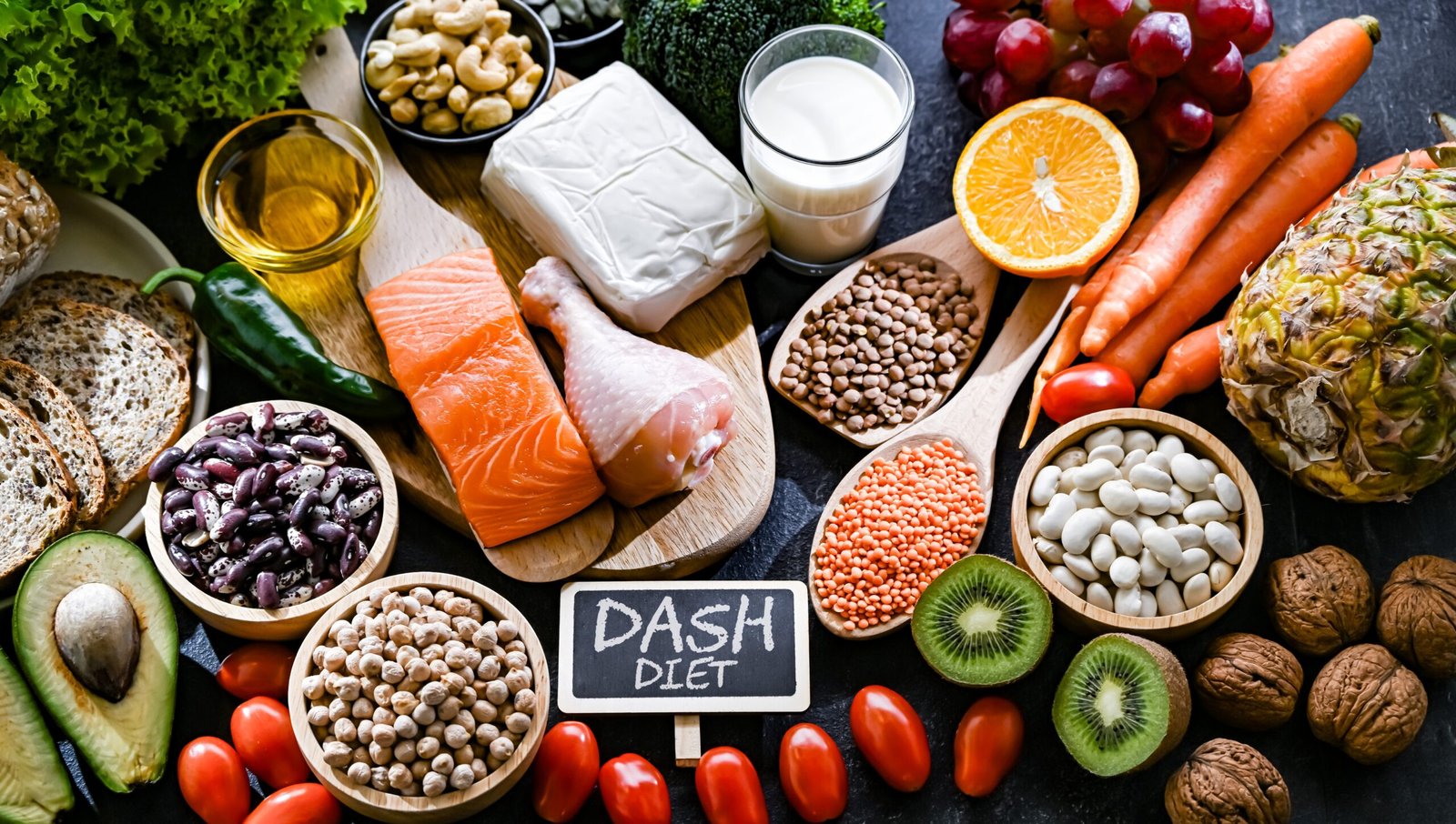

Diet causes obesity ten times more than lack of exercise, shattering decades of fitness myths and demanding a total rethink of how we fight the fat epidemic.
Story Highlights
- Duke-led study in PNAS proves diet drives 90% of obesity variation across 4,000 adults in 34 populations.
- People burn similar calories regardless of lifestyle, from hunter-gatherers to office workers.
- Ultraprocessed foods override biology, fueling fat gain in developed nations.
- Public health must pivot from exercise hype to food system reform.
- Exercise aids heart health and longevity but fails as obesity fix.
Study Methodology and Core Findings
Herman Pontzer’s team at Duke University measured total energy expenditure in over 4,000 adults across 34 populations, from hunter-gatherers to industrial workers. They adjusted for body size and found similar daily calorie burn rates despite vast lifestyle differences. Heavier bodies in wealthier nations burned more only because of added mass, not higher activity. Diet emerged as the dominant factor, with excess intake driving 90% of obesity trends.
https://www.youtube.com/watch?v=0n054R3JFSQ
The PNAS paper, published July 14, 2025, quantified diet’s impact as roughly ten times greater than declining physical activity. Researchers used objective data on energy expenditure, body fat, and BMI. This large-scale approach exposed the myth that sedentary living alone explains rising obesity rates worldwide.
Co-authors Amanda McGrosky and Amy Luke stressed focusing on calories in over calories out. Long-term, altering intake proves easier than boosting burn rates through exercise. The study reframes obesity as a modern dietary mismatch, not an activity deficit.
Struggling to lose weight? Try our AI doctor for GLP 1 options.
Ultraprocessed Foods Fuel the Crisis
Ultraprocessed foods dominate developed diets, engineered for hyper-palatability that overrides satiety signals. They promote inflammation and shift metabolism toward fat storage. The research predicts obesity surges in regions newly exposed to these products, matching patterns in industrialized societies.
Lead investigator Pontzer declared changes in diet, not reduced activity, cause obesity in the U.S. and similar nations. Harvard’s Deirdre Tobias agreed, noting the findings contradict anecdotal assumptions about weight gain drivers. Common sense aligns: food environments dictate intake more than willpower or gym time.
Neurosurgeon Dr. Brett Osborn reinforced this, stating exercise burns far fewer calories than believed. Overfeeding via processed junk explains weight gain, not couch potato habits. Conservative values favor personal responsibility in food choices over blaming systemic laziness narratives.
Tired of diets that don’t work? Get a personalized plan in minutes.
Expert Critiques and Limitations
Experts like epidemiologist Vanessa Oddo praised the diet focus but cautioned on methodology. The study used modeling and indirect measures, not direct diet tracking, limiting causation claims. It establishes strong correlations, yet cannot pinpoint exact dietary culprits beyond intake volume.
https://www.youtube.com/watch?v=e9emG8wS5Ho
Biostatistician Jeff Goldsmith lauded objective energy and fat measures supporting energy intake’s role. Dietitian Lindsay Allen noted muscle mass boosts metabolism, and stress alters fat storage, adding nuance. All agree activity matters for heart health and longevity, just not obesity prevention.
These limits temper bold claims, but facts hold: over one billion obese globally, per WHO. Developed nations suffer most, tying to ultraprocessed food proliferation. The study’s rigor in PNAS and Harvard/Duke backing outweigh modeling critiques.
Find out if GLP 1 medication is right for you.
Policy Shifts and Future Implications
Short-term, CDC and WHO messaging must drop exercise as obesity’s main antidote. Clinicians prioritize diet over treadmill prescriptions. Media stops shaming inactivity, targeting food industry practices instead. Individuals monitor calories and shun processed fare.
Long-term, regulate ultraprocessed marketing and reformulate products. Shift resources to nutrition education over gym campaigns. Fitness industry pivots to wellness, not weight loss promises. Developing nations heed warnings to curb U.S.-style epidemics.
This evidence demands food system accountability, aligning with conservative emphasis on markets responding to informed consumers. Blaming individuals ignores engineered overconsumption. Future health hinges on dietary discipline, not endless workouts.
Sources:
https://www.foxnews.com/health/study-reveals-primary-cause-obesity-its-not-lack-exercise
https://hsph.harvard.edu/news/diet-not-a-lack-of-exercise-is-main-driver-of-obesity-study-finds/
https://www.science.org/content/article/new-study-blames-diet-not-physical-inactivity-obesity-crisis
https://trinity.duke.edu/news/new-duke-study-finds-obesity-rises-caloric-intake-not-couch-time
https://www.sciencedaily.com/releases/2025/12/251227004140.htm
https://www.pnas.org/doi/10.1073/pnas.2420902122
https://www.who.int/news-room/fact-sheets/detail/obesity-and-overweight