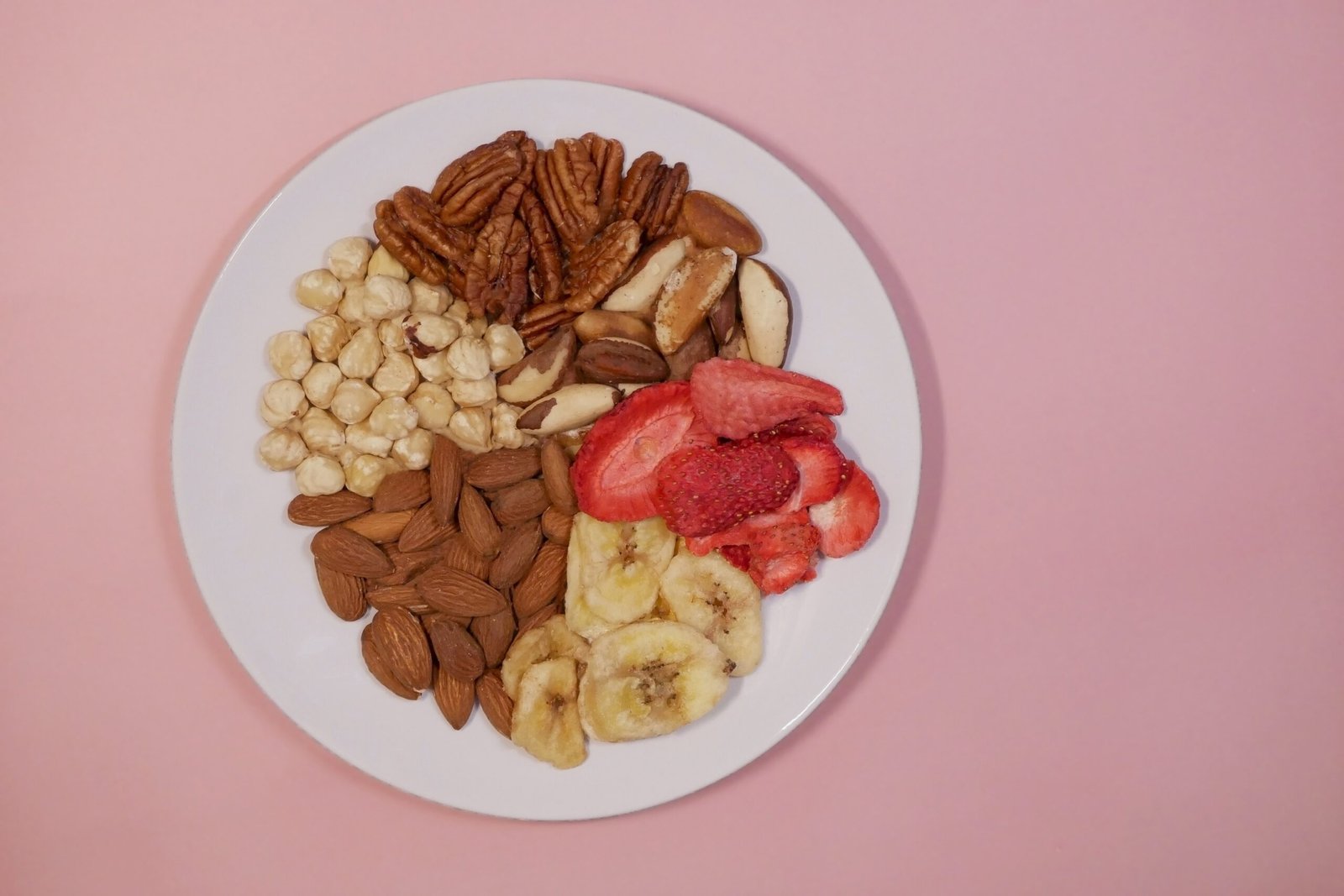
Surprising as it may seem, some foods you thought were high in carbs are not the dietary villains you imagined.
Story Highlights
- Berries and nuts are lower in carbs than most people think.
- Full-fat dairy products offer more than just creamy goodness.
- Some vegetables and fruits, like avocados, defy carb-heavy expectations.
- Understanding carbs can transform your dietary approach.
Common Misconceptions About Carbs
Carbohydrates often get a bad rap, particularly in the world of dieting and fitness. Many individuals aiming for weight loss or maintaining blood sugar levels tend to shun foods they perceive as carb-heavy. However, this perception isn’t always aligned with reality. Foods like berries, full-fat dairy, and nuts are often misunderstood in terms of their carbohydrate content. Recognizing these misconceptions can open new pathways to healthier eating habits.
https://www.youtube.com/watch?v=re1jWCOHycU
Berries, especially strawberries, are a prime example. Despite their sweetness, they contain only about 7 grams of net carbs per 100 grams. This makes them a delightful option for those monitoring their carb intake. Meanwhile, full-fat dairy products such as cheddar cheese, heavy cream, and plain Greek yogurt offer a range from 2 to 11 grams of carbs per 100 grams, adding a creamy texture to meals without the carb load many anticipate.
Tired of diets that don’t work? Get a personalized plan in minutes.
Nuts, Seeds, and Their Carb Content
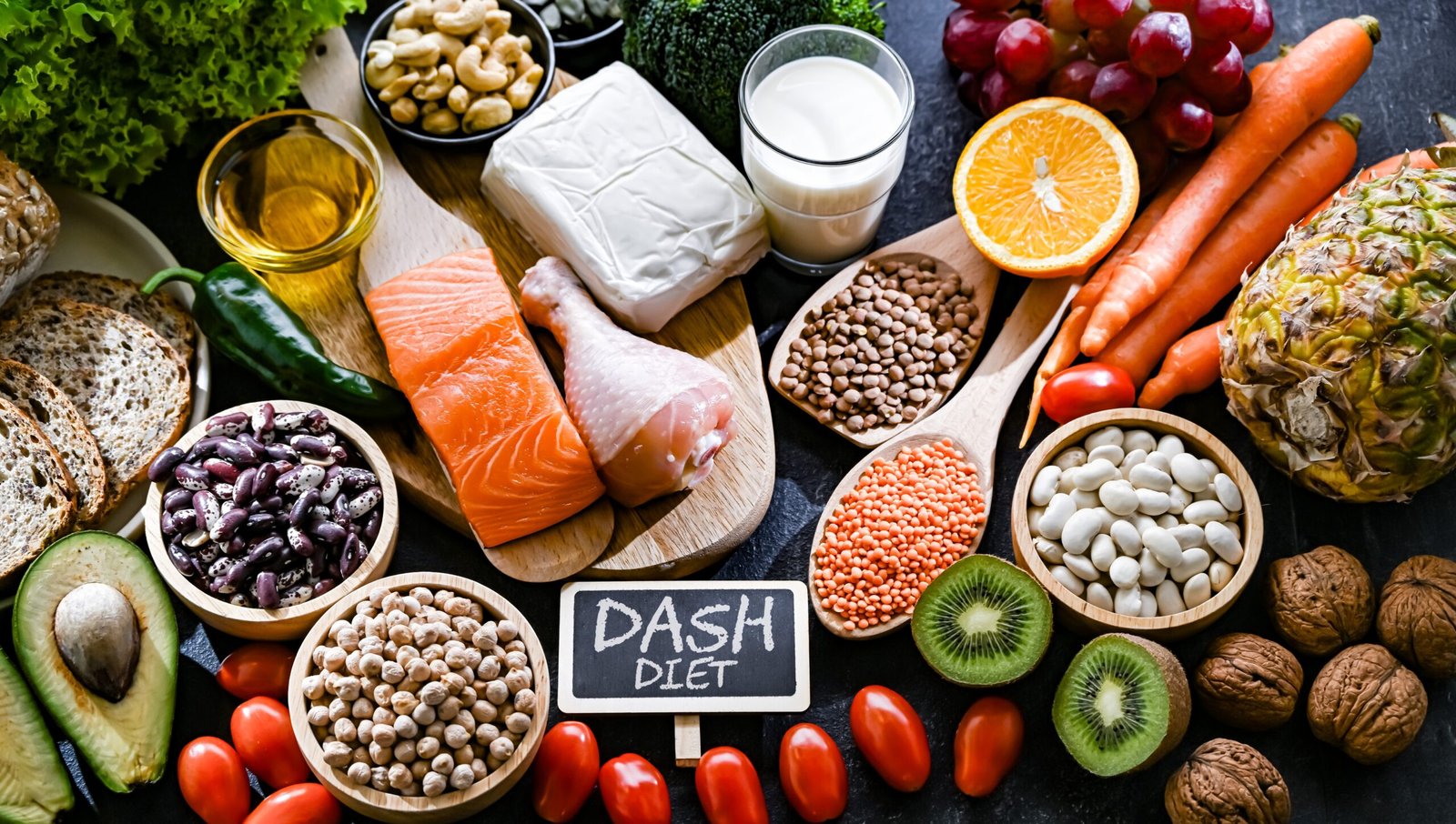
Nuts and seeds are nutritional powerhouses often mistaken for being high in carbohydrates. Walnuts, peanuts, and chia seeds, for instance, contain between 10 to 17 grams of carbs per 100 grams. This range might sound significant, but when consumed in moderation, they provide beneficial fats and proteins without overwhelming carb content. These foods are excellent for snacking or adding crunch to meals, balancing taste and nutrition seamlessly.
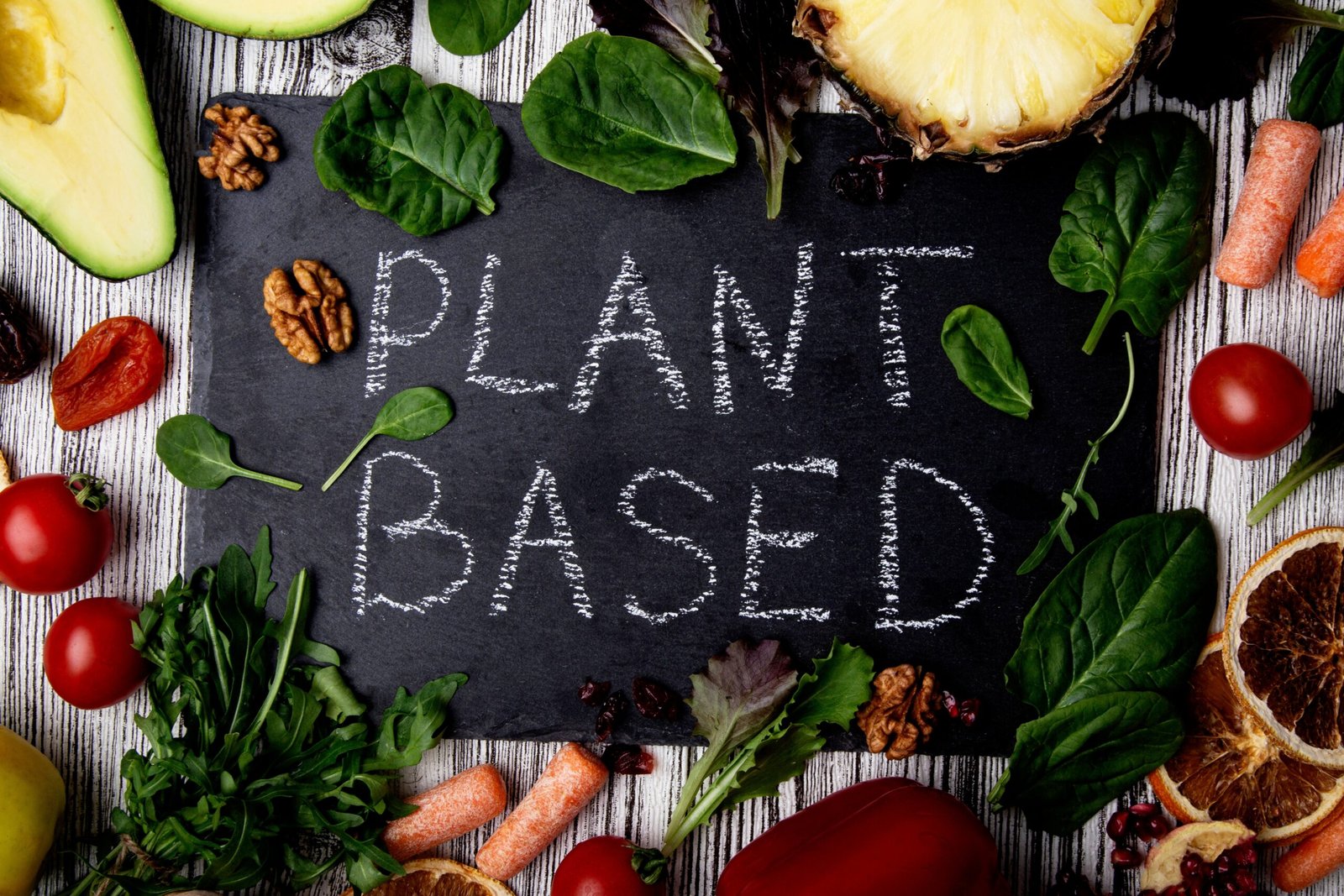
Leafy greens and cruciferous vegetables further illustrate the carb misconception. Broccoli, cauliflower, and spinach are vegetables that boast low carbohydrate levels, making them ideal for those seeking nutrient-dense, low-carb meal components. Their versatility in cooking ensures they can be creatively incorporated into various dishes, enhancing flavor profiles without adding unwanted carbs.
Safe science based weight loss no guesswork.
The Role of Avocados and Olives
Avocados and olives are often categorized as fatty fruits but deserve recognition for their low carbohydrate content. Unlike their sweeter counterparts, these fruits provide healthy fats and minimal carbs, making them a staple in many low-carb diets. Avocados, in particular, have gained fame for their creamy texture and rich nutrient profile, offering a satisfying experience for those looking to reduce carbohydrate intake.
https://www.youtube.com/watch?v=9R9MuqbFv4Y
Understanding the role of carbohydrates in food is crucial for making informed dietary decisions. The fear of carbs often stems from misconceptions and incomplete information. By educating oneself on the actual carb content of foods, individuals can enjoy a broader range of flavors and textures without compromising their dietary goals. This knowledge empowers people to make choices that align with their health objectives while still enjoying delicious meals.
Reach your goals with AI guided medical insight.
Sources: