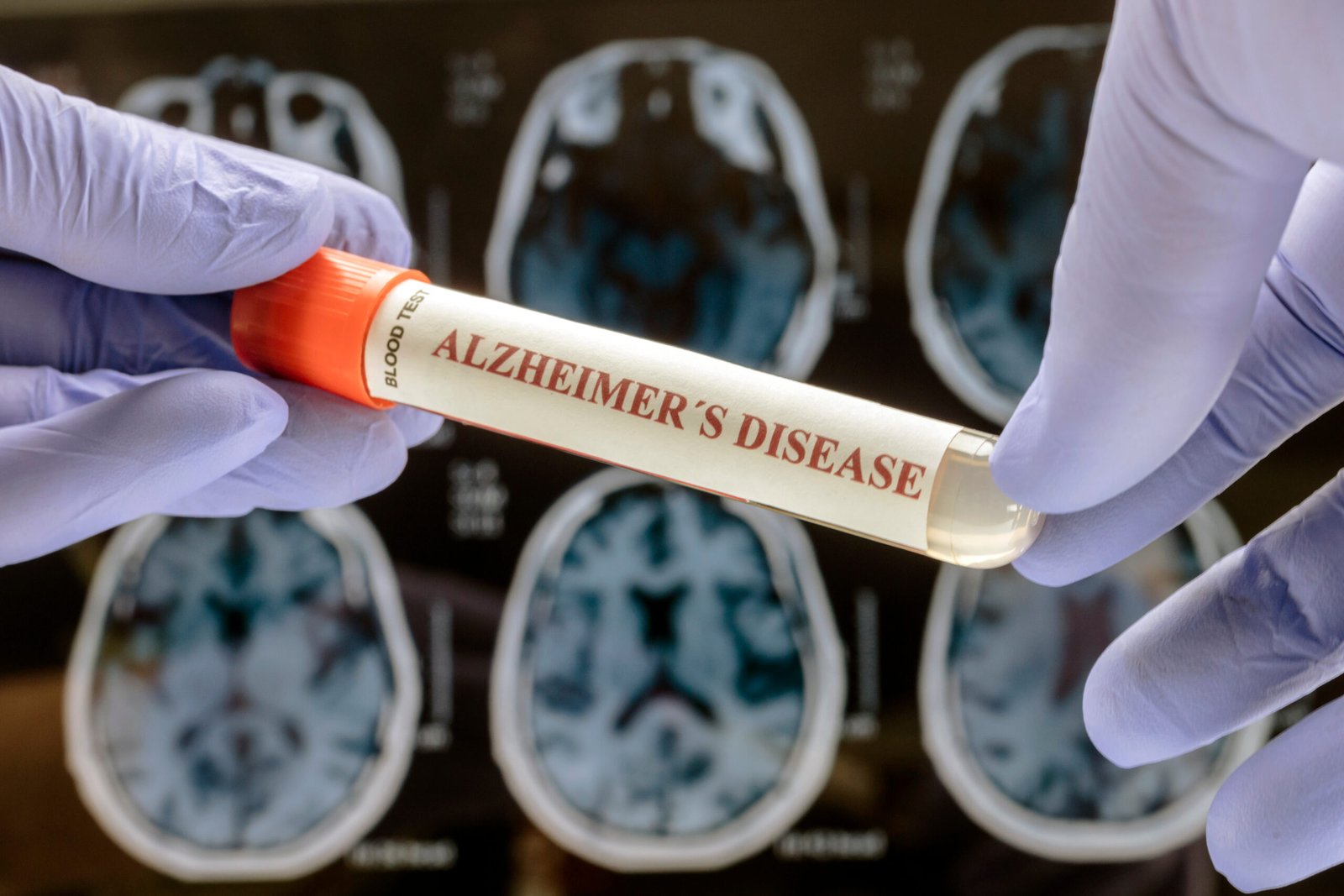

Alzheimer’s disease doesn’t randomly select its victims—it announces its arrival through four distinct early-warning patterns that medical experts can now identify years before a formal diagnosis.
Key Points
- Four predictable warning patterns emerge 10-20 years before Alzheimer’s diagnosis through measurable brain changes
- Memory disruption, planning difficulties, spatial confusion, and judgment changes distinguish pathological decline from normal aging
- Early detection through pattern recognition can delay institutionalization by 1-2 years and reduce caregiver burden
- Unlike random memory lapses, these patterns persistently disrupt daily life and worsen over time
The Memory Disruption Pattern Reveals Brain Damage
The first warning pattern centers on memory disruption that goes far beyond typical forgetfulness. Alzheimer’s patients cannot retrace their steps when they misplace items, repeatedly ask the same questions, and forget recently learned information. The Alzheimer’s Association distinguishes this from normal aging by noting that healthy individuals can usually remember details later, while those developing Alzheimer’s cannot recover the lost information.
https://www.youtube.com/watch?v=ORJTBLwDKRI
This pattern emerges because amyloid plaques and tau tangles first attack the hippocampus, the brain’s memory center. Washington University researchers discovered that decreased deep sleep compounds this damage by preventing the brain from clearing toxic proteins during rest cycles.
Got a health question? Ask our AI doctor instantly, it’s free.
Planning and Problem-Solving Abilities Deteriorate Predictably
The second pattern involves declining executive function—the ability to plan, organize, and solve problems. Patients struggle with familiar recipes, managing monthly bills, or following step-by-step instructions. The CDC identifies this as a critical warning sign because it affects independence and safety in daily activities.
Neurologists explain that this pattern reflects damage to the frontal cortex, where executive functions reside. Unlike occasional confusion with technology or new procedures, this decline affects previously mastered tasks and progressively worsens rather than improving with practice or assistance.
Ask anything, your AI doctor is listening.
Spatial and Visual Processing Problems Create Safety Hazards
The third pattern manifests as spatial and visual processing difficulties that create real-world dangers. Patients misjudge distances while driving, struggle with stairs, or cannot determine color contrasts. Memphis Neurology emphasizes that these changes pose immediate safety risks, particularly behind the wheel.
https://www.youtube.com/watch?v=5XDktNNAjI8
This pattern distinguishes Alzheimer’s from normal vision changes because it stems from brain processing problems rather than eye issues. Patients may have perfect vision but cannot interpret spatial relationships correctly. The deterioration follows a predictable progression from subtle depth perception issues to severe navigation problems.
Chat confidentially with an AI doctor now.
Judgment Deterioration and Social Withdrawal Signal Advanced Changes
The fourth pattern combines poor judgment with mood and personality changes that alter social behavior. Patients make questionable financial decisions, neglect personal hygiene, or withdraw from social activities they previously enjoyed. Bay Front Health notes that family members often notice these changes before patients do.
Research shows this pattern results from damage to brain regions controlling social cognition and emotional regulation. Unlike temporary mood changes from stress or depression, these alterations represent permanent shifts in personality and decision-making capacity that worsen progressively.
Sources:
5 Warning Signs of Alzheimer’s in Los Angeles – LA Neurology
Signs and Symptoms of Alzheimer’s Disease – CDC
Could It Be Alzheimer’s? 7 Early Warning Signs – Bayfront Health
5 Early Warning Signs of Alzheimer’s Disease – Memphis Neurology
Warning Signs – Alzheimer’s Research
10 Early Signs and Symptoms of Alzheimer’s – Alzheimer’s Association
Early Stages of Dementia – Alzheimer’s Society UK
Decreased Deep Sleep Linked to Early Signs of Alzheimer’s Disease – Washington University
Alzheimer’s Disease Symptoms and Causes – Mayo Clinic