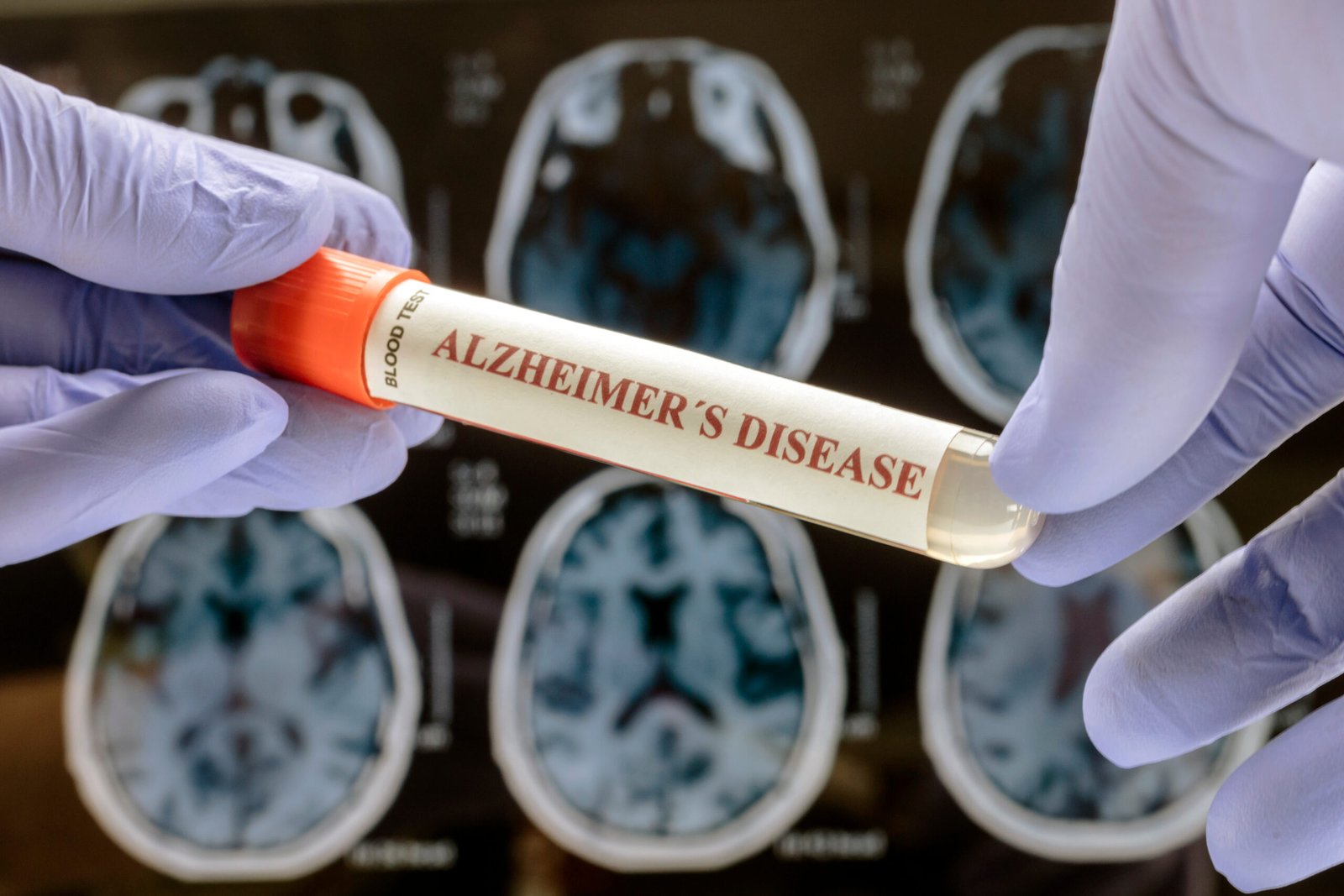

Your digestive problems today could be rewiring your brain for dementia decades from now.
Story Snapshot
- Five common gut disorders genetically linked to Alzheimer’s disease through shared DNA pathways
- GERD, IBS, and gastritis can predict brain degeneration 15 years before symptoms appear
- New research reveals gut bacteria produce compounds that either protect or damage brain tissue
- Simple dietary changes targeting gut health may prevent or slow Alzheimer’s progression
The Hidden Genetic Connection Between Your Stomach and Your Memory
Researchers at Edith Cowan University analyzed genetic data from over 400,000 individuals and discovered something remarkable: five specific gut conditions share genetic pathways with Alzheimer’s disease. The study identified gastroesophageal reflux disease (GERD), peptic ulcer disease, gastritis-duodenitis, irritable bowel syndrome (IBS), and diverticulosis as conditions that increase dementia risk through shared DNA sequences.
https://www.youtube.com/watch?v=ot1bea0-OXk
Lead researcher Emmanuel Adewuyi explains this genetic overlap provides crucial insights into causality and potential treatment targets. Unlike previous studies focusing on gut infections or microbiome imbalances, this research pinpoints specific non-infectious digestive disorders that essentially program the brain for future degeneration. The implications extend far beyond correlation—they suggest your gut health today directly influences your cognitive fate tomorrow.
Got a health question? Ask our AI doctor instantly, it’s free.
Your Gut Bacteria Are Manufacturing Brain Medicine
Northwestern Medicine researchers discovered that certain gut bacteria produce a compound called propionate that acts like a neurological shield. When mice with Alzheimer’s-like symptoms received propionate from Akkermansia bacteria, their brain inflammation decreased and amyloid plaques—hallmarks of the disease—were significantly reduced. This finding transforms our understanding of how microscopic organisms in your intestines actively participate in brain protection.
https://www.youtube.com/watch?v=20UZ6glSeo0
The gut-brain axis operates as a bidirectional highway where digestive health directly impacts neurological function. Short-chain fatty acids produced by beneficial bacteria cross the blood-brain barrier and reduce inflammation that would otherwise accelerate cognitive decline. Robert Vassar from Northwestern emphasizes that microbiome interventions could represent the most promising approach to slowing Alzheimer’s progression, particularly through dietary modifications that boost protective bacterial populations.
Not sure where to start? Ask the AI doctor about your symptoms.
Early Warning Signs Hidden in Plain Sight
UK Biobank analyses revealed that digestive disorders can predict Alzheimer’s and Parkinson’s disease onset up to 15 years before neurological symptoms appear. Gastritis, esophagitis, and functional intestinal disorders consistently emerged as the strongest predictors, suggesting that chronic gut inflammation creates a cascade of neurological damage decades before memory loss becomes apparent.
David Merrill from Pacific Neuroscience Institute identifies gut dysbiosis as potentially the most modifiable risk factor for Alzheimer’s—more controllable than genetics or age. The research indicates that persistent gut inflammation increases blood-brain barrier permeability, allowing neurotoxins to infiltrate brain tissue. This discovery positions digestive health as a critical early intervention point rather than merely a secondary concern in aging populations.
Clear answers for common health questions start now.
Sources:
These 5 Gut Conditions Were Just Linked To Alzheimer’s Disease
Gut Disorders Linked with Alzheimers and Parkinsons Neurodegeneration
Compound Produced by Gut Bacteria May Slow Alzheimers Progression
An Early Sign of Alzheimers Disease May Be Lurking in Your Gut