
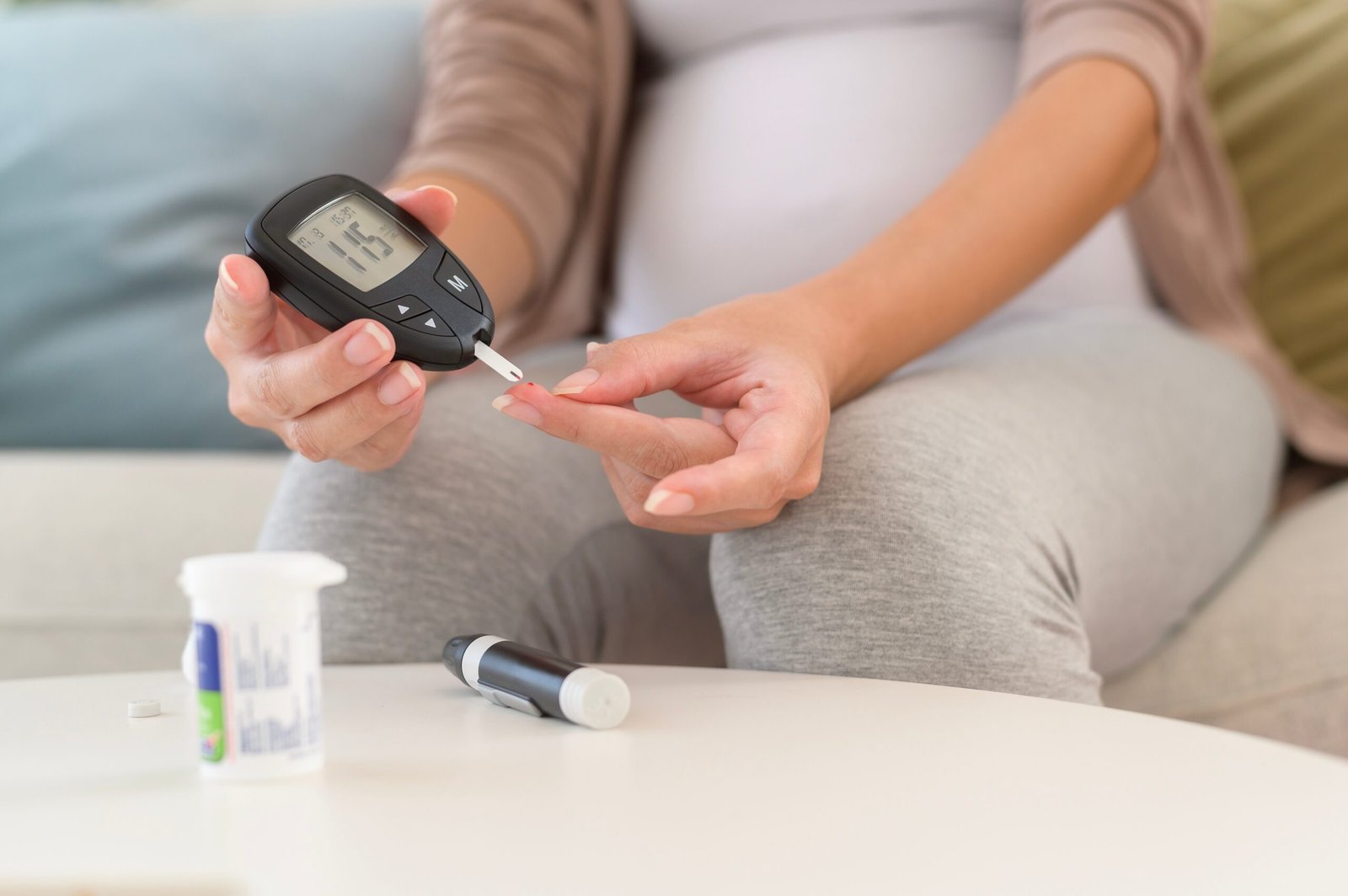
Could prenatal hypothyroxinaemia be the overlooked trigger for gestational diabetes?
Story Overview
- Pregnant women with low free thyroxine levels face increased gestational diabetes risk.
- Subclinical hypothyroidism and thyroid autoimmunity aren’t linked to gestational diabetes.
- Meta-analysis of over 63,000 pregnant women highlights significant associations.
- Current screening practices for hypothyroidism may not reduce gestational diabetes risk.
Link Between Hypothyroxinaemia and Gestational Diabetes
The recent study conducted by Joris A. J. Osinga and his team at Erasmus University Medical Center challenges the conventional wisdom surrounding gestational diabetes. Traditionally, subclinical hypothyroidism and thyroid autoimmunity were considered risk factors. However, the study’s findings suggest that isolated hypothyroxinaemia, not these conditions, could significantly increase the risk of developing gestational diabetes. Pregnant women with low levels of free thyroxine (FT4) are more likely to face this condition, overturning long-held assumptions.
https://www.youtube.com/watch?v=PgMisfInF-k
This discovery emerged from a comprehensive meta-analysis involving 63,548 pregnant women across 25 prospective cohorts worldwide. The research highlighted that women with isolated hypothyroxinaemia had a gestational diabetes risk of 6.5% compared to 3.5% in women with normal thyroid function. The adjusted odds ratio stood at 1.52, pointing to a substantial association between low FT4 levels and gestational diabetes.
Got a health question? Ask our AI doctor instantly, it’s free.
Evaluating Maternal Thyroid Function
Researchers explored various aspects of maternal thyroid function, assessing multiple factors like subclinical hypothyroidism, hyperthyroidism, and thyroid function tests. The study examined serum glucose measurements during oral glucose tolerance tests and insulin resistance assessments. Notably, lower FT4 concentrations correlated with higher glucose levels and increased insulin resistance, particularly in women without obesity. These findings underline the critical role of thyroid hormones in metabolic processes during pregnancy.
Furthermore, the study identified that higher concentrations of free triiodothyronine (FT3) and an elevated FT3:FT4 ratio were associated with a greater risk for gestational diabetes. This intricate interplay of thyroid hormones demands deeper investigation to understand the underlying mechanisms and potential interventions.
Not sure where to start? Ask the AI doctor about your symptoms.
Implications for Screening and Treatment
The revelations from this study call into question the current practice of universal screening and treatment for subclinical hypothyroidism during pregnancy. The absence of a significant association between subclinical hypothyroidism and gestational diabetes suggests that routine screening for this condition may not impact gestational diabetes risk. Instead, attention should shift towards identifying and managing isolated hypothyroxinaemia to mitigate this risk.
https://www.youtube.com/watch?v=SnzXvWkyKZs
The study’s limitations, including heterogeneity in gestational diabetes definitions and potential bias from excluding participants on thyroid-affecting medications, should be considered when interpreting the findings. However, the insights provided by this research pave the way for refining clinical guidelines and improving maternal healthcare strategies.
Free medical guidance, anytime. Start your chat today.
Future Directions and Considerations
The study’s outcomes underscore the necessity for further research to validate these findings and explore the underlying biological mechanisms. Understanding the precise role of thyroid hormones in pregnancy-related metabolic changes could lead to targeted interventions and personalized treatment approaches. As researchers delve deeper into this domain, healthcare providers must remain informed and adaptable to evolving evidence.
As the medical community continues to explore the complexities of thyroid function and gestational diabetes, pregnant women and healthcare professionals should engage in informed discussions about thyroid health and its implications for pregnancy. This proactive approach can help optimize maternal and fetal outcomes, ensuring a healthier future for both mothers and their children.
Sources:
The Lancet Diabetes & Endocrinology Commentary
The Lancet Diabetes & Endocrinology Study