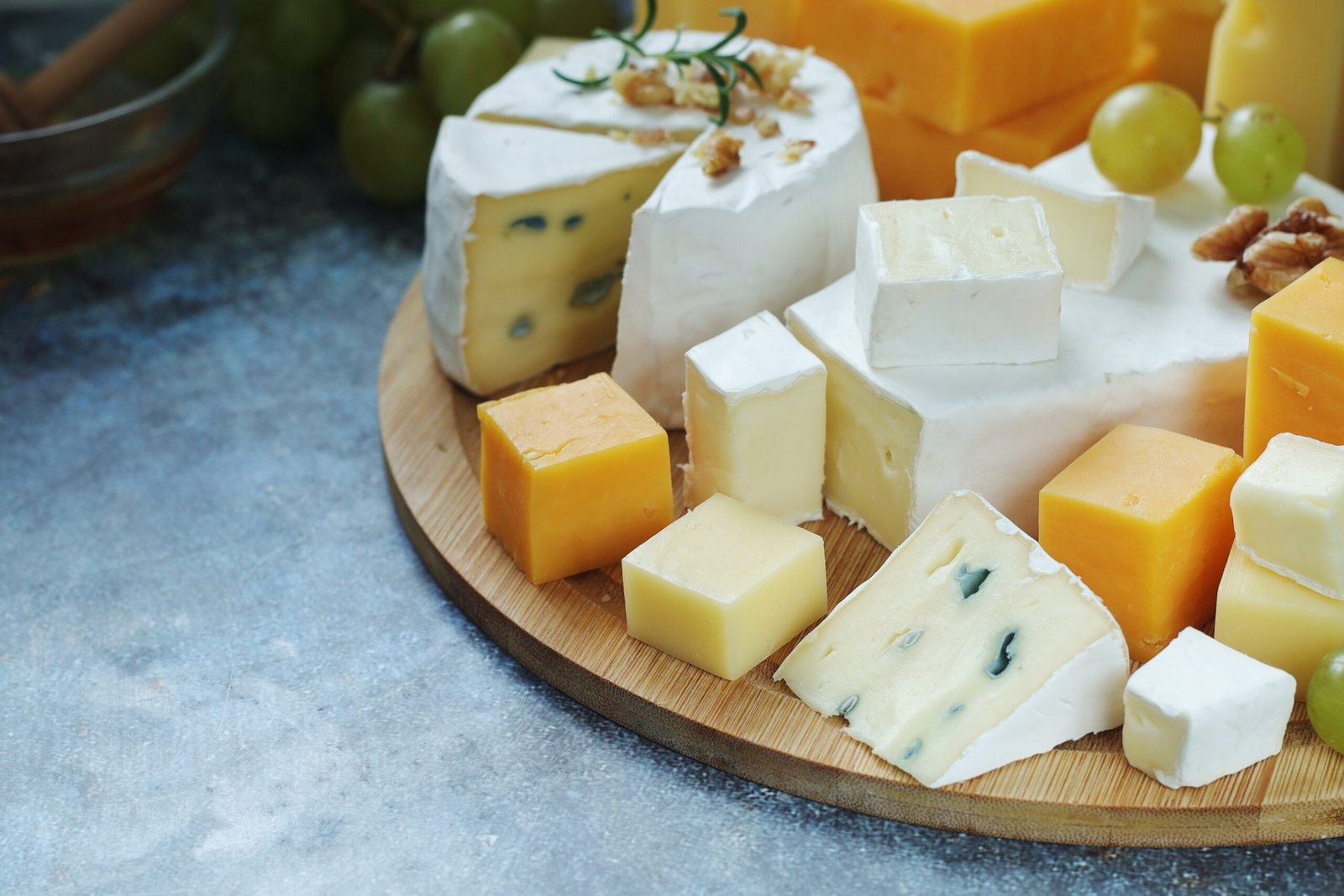
Could indulging in high-fat cheese and cream really be the secret to a sharper mind as we age?
Story Snapshot
- A large study linked high-fat cheese and cream to a reduced risk of dementia.
- Findings are based on long-term observation of over 27,000 Swedes.
- Evidence is associational, not proof of causation.
- Potential implications for dietary guidelines and dementia prevention.
The Study Behind the Headlines
Researchers at Lund University in Sweden conducted a study examining the impacts of high-fat cheese and cream consumption on dementia risk. This study followed over 27,000 adults in the Malmö Diet and Cancer cohort for up to 25 years, tracking dietary habits and dementia outcomes. Participants who consumed high-fat cheese and cream had a statistically lower risk of developing dementia, although the study only shows association, not causation.
This study’s findings come at a time when the role of saturated fat in diet is under scrutiny. Traditionally, saturated fats have been viewed with suspicion due to links with cardiovascular disease. However, the nuances of dairy fats, particularly in cheese and cream, are challenging these views. The Lund study adds an intriguing dimension by suggesting that high-fat dairy might not only be benign but potentially beneficial in the context of brain health.
Tired of diets that don’t work? Get a personalized plan in minutes.
Understanding the Associations
The study found that consuming 50 grams or more of high-fat cheese per day was associated with a 13% lower risk of dementia compared to consuming less than 15 grams. Vascular dementia risk was even more significantly reduced by 29%. Cream also showed a 16% lower dementia risk for those consuming 20 grams or more daily. These findings suggest a specific connection between high-fat dairy products and reduced dementia risk, particularly for vascular dementia.
It’s important to note that these findings are observational. While the study adjusts for various factors like age, sex, and lifestyle, there’s always the possibility of residual confounding—where other unmeasured factors could influence the results. Thus, while the associations are compelling, they don’t establish cause and effect.
Safe science based weight loss no guesswork.
Implications and Future Directions
The potential implications of these findings are broad. If further research supports these associations, it could lead to nuanced dietary recommendations that differentiate between types of saturated fats. Cheese and cream might find a place in dietary patterns aimed at supporting brain health, provided they are consumed as part of a balanced diet.
Moving forward, researchers are likely to focus on understanding the mechanisms behind these associations. Could components of cheese, like calcium or certain peptides, be contributing to vascular health? Or does the fermentation process play a pivotal role? These questions drive the need for mechanistic studies and potentially randomized controlled trials.
Reach your goals with AI guided medical insight.
Cautious Optimism and Skepticism
Among experts, there’s a mix of cautious optimism and skepticism. On one hand, the idea that cheese and cream could contribute to brain health is intriguing, especially given the study’s long follow-up period and large cohort size. On the other hand, the limitations of observational data mean that recommendations for increasing high-fat cheese consumption remain premature.
New York Times: A Study Linked Cheese to Lower Dementia Risk. Is That Too Good to Be True?https://t.co/BaYsRSuMPc
— Bill Tieleman (@BillTieleman) December 18, 2025
As with many nutritional studies, the findings emphasize the complexity of diet and health. While it may be tempting to see cheese and cream as brain-boosting foods, a holistic view that considers overall dietary patterns and lifestyle remains crucial. For now, moderation and balance in diet continue to be the watchwords for maintaining cognitive health into older age.
Sources:
Lund University
American Academy of Neurology
SciTechDaily
Neurology Journal