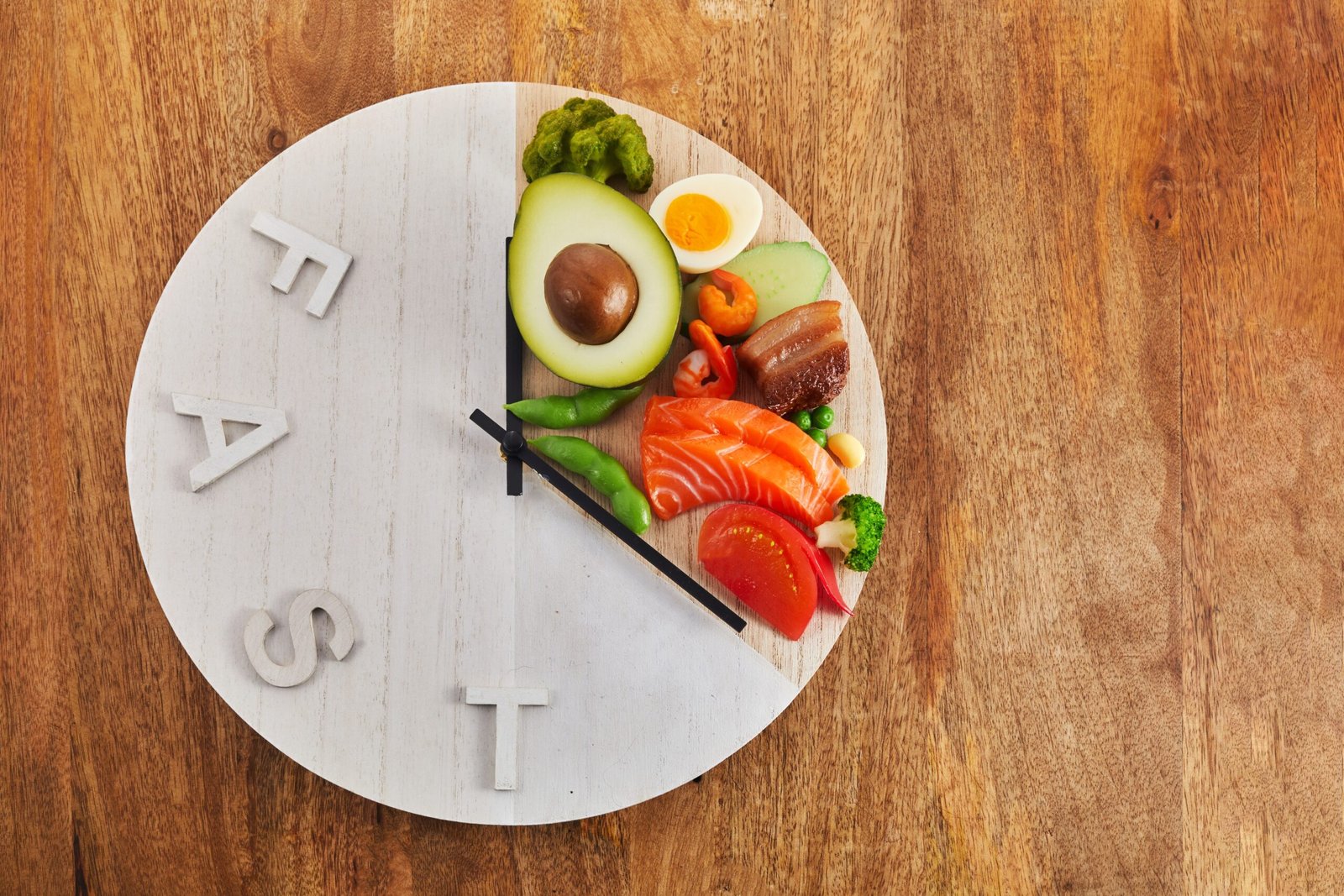
Fasting is quietly moving from wellness fad to serious cancer research tool, but the real story is how it may make tumors more vulnerable while protecting healthy cells.
Story Snapshot
- Short, structured fasting can stress cancer cells while shielding normal cells during treatment.
- Fasting-mimicking diets are being tested at major cancer centers as add-ons to standard therapy, not replacements.
- New research links fasting to stronger immune attacks, delayed drug resistance, and altered tumor metabolism.
- Evidence in humans is still early, and unsupervised fasting can be dangerous for frail or undernourished patients.
Why Cancer Researchers Suddenly Care About Fasting
Cancer labs did not wake up one morning and decide to copy wellness influencers. For decades, rodent studies showed that cutting calories could slow tumor growth and reduce cancer incidence, hinting that starving a tumor of fuel might matter just as much as targeting its genes. Modern oncologists took that old idea and sharpened it into something more precise: short, strategic fasting windows wrapped around treatment instead of chronic under-eating that wastes the whole body.
That shift led to the concept of “differential stress resistance.” Normal cells respond to fasting by powering down into a protective, low-growth mode, while cancer cells, locked into overdrive, keep burning fuel and dividing. When chemotherapy or radiation hits in that window, healthy cells are braced; tumor cells are not. In animals, that pairing has produced a double dividend: better tumor shrinkage and less collateral damage to normal tissues. For patients who care about both survival and quality of life, that is not a trivial promise.
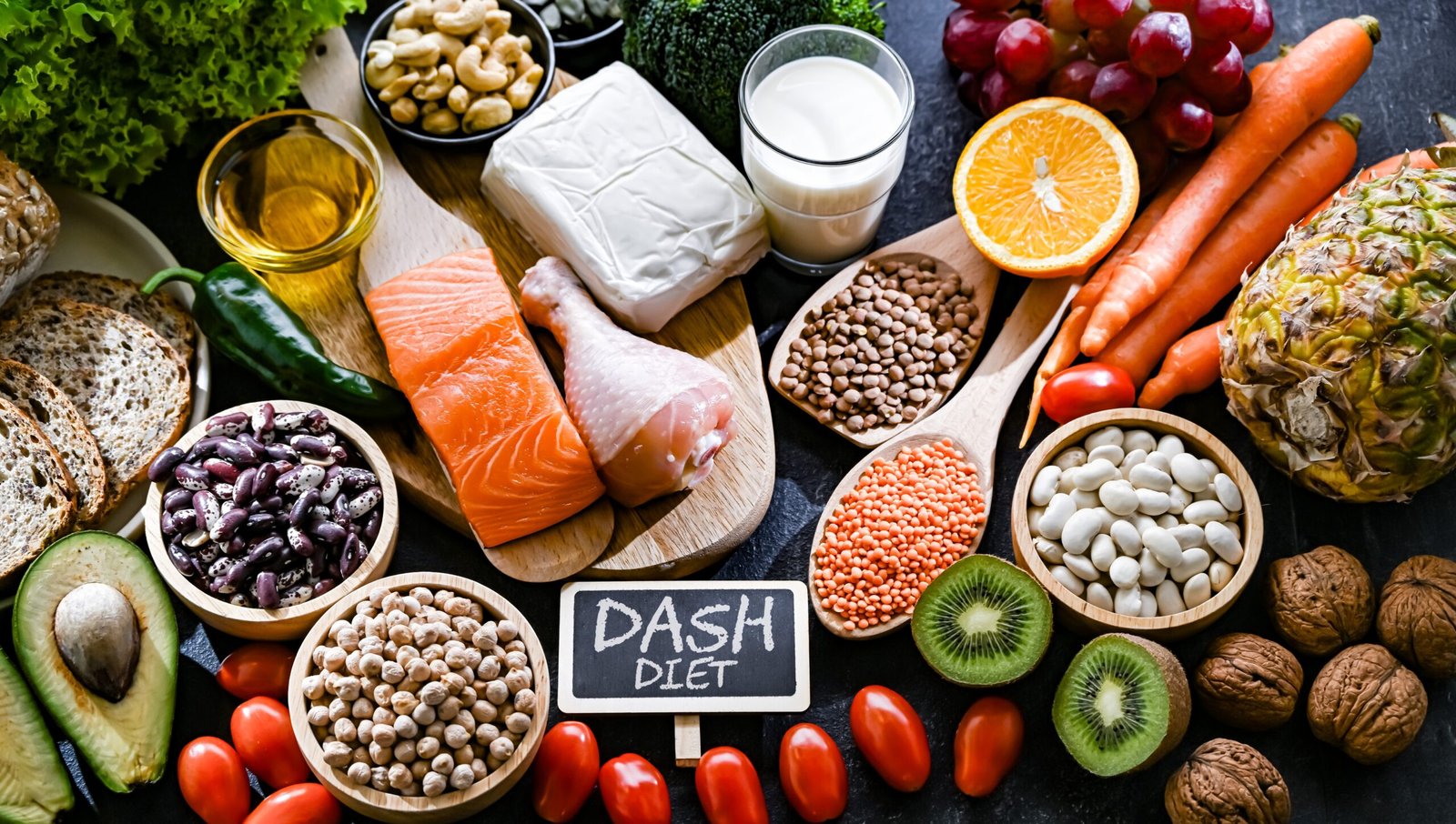
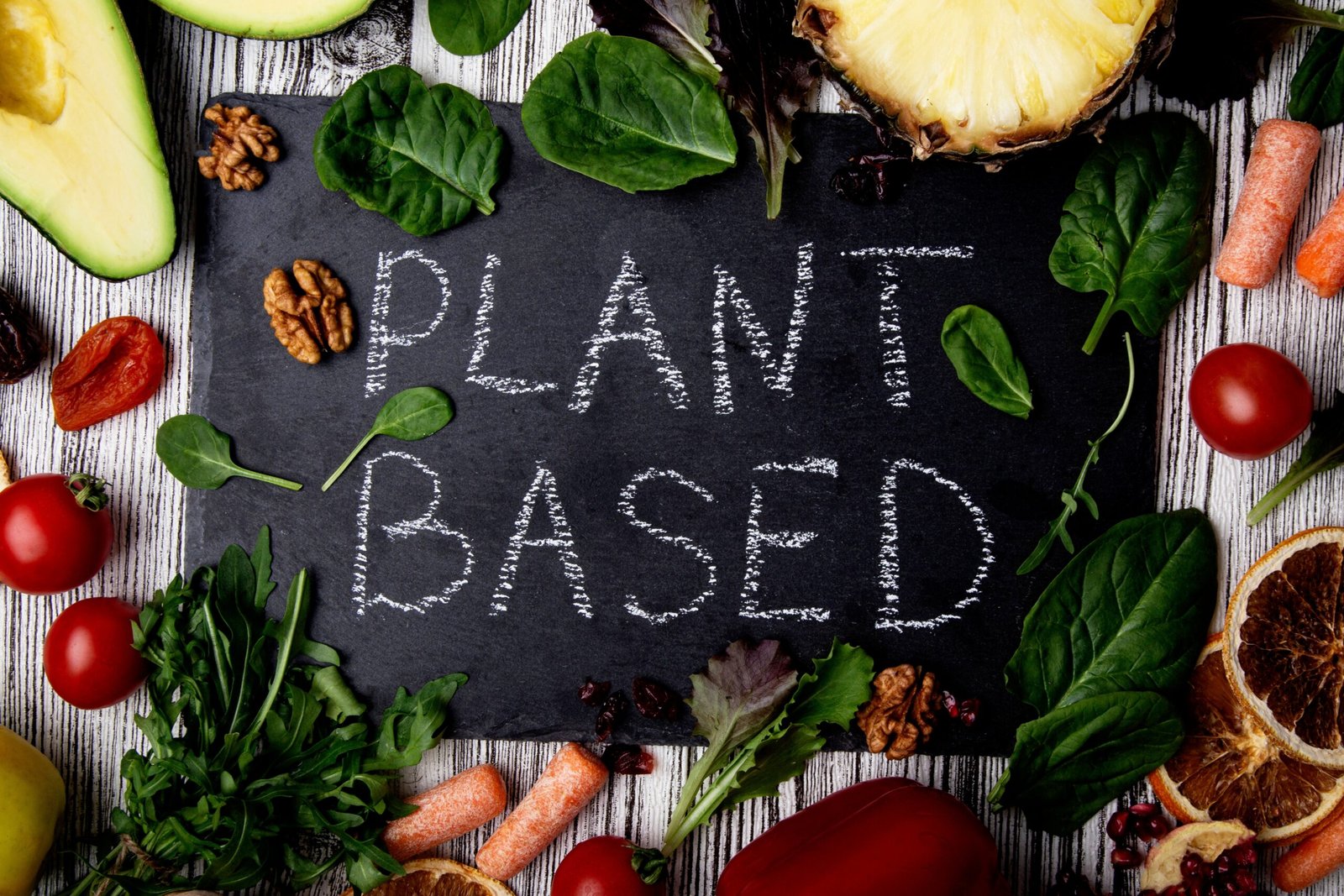
The next problem was practical: very few cancer patients can or should do strict water-only fasts for days around each treatment. Researchers responded with fasting-mimicking diets (FMDs) – low-calorie, low-protein, low-sugar, plant-based regimens that drive many of the same metabolic changes while still supplying some nutrients. These FMDs typically run about five days per month, timed around systemic therapy, and early trials suggest most well-nourished patients can tolerate them without catastrophic weight loss.
Got a health question? Ask our AI doctor instantly, it’s free.
The New Mechanisms: Hormones, Hormone Therapy, And Drug Resistance
Recent work in hormone receptor–positive breast cancer adds a level of mechanistic precision that should make even skeptical clinicians pause. In 2025, researchers reported that periodic fasting or FMDs activated glucocorticoid and progesterone receptors inside hormone receptor–positive tumor cells, shifting their behavior in a more tumor-suppressive direction and boosting the punch of endocrine therapies like tamoxifen. When those receptors were disabled, the synergy vanished, which strongly suggests the effect is not hand-waving but pathway-specific.
That same program of fasting plus hormone therapy did more than just amplify the immediate response; it delayed the classic problem that haunts long-term treatment: acquired resistance. Cancer cells that normally adapt and slip away under constant drug pressure took longer to develop escape routes when exposed to cycles of metabolic stress. From a conservative, results-first perspective, anything that extends the useful life of existing drugs without adding a $20,000-per-month price tag deserves serious attention, provided it can be delivered safely and without undermining patients’ strength.
Your 24/7 AI doctor is now live. No waiting. No appointment.
Metabolic Squeeze Plays In Prostate And Colorectal Cancer
Prostate cancer researchers are running a similar playbook with a different twist. In models of prostate tumors treated with the androgen receptor blocker enzalutamide, alternate-day fasting lowered circulating amino acids, cut global protein synthesis inside tumors, and dampened androgen receptor expression and signaling. The tumors responded better to the same drug dose once their metabolic environment was shifted. That kind of low-cost “metabolic squeeze” complements rather than competes with standard pharmacology.
Colorectal cancer studies add another layer: the intersection of fasting, weight, metabolism, and the gut microbiome. Experimental intermittent fasting regimens in colorectal cancer models reduced tumor development, with changes in body weight, insulin sensitivity, inflammatory signals, and gut bacterial composition all contributing to risk modulation. None of this means skipping breakfast cures colon cancer. It does mean that how often we eat, and what metabolic state the body cycles through, can either feed or frustrate the earliest steps of tumor formation.
Free medical guidance, anytime. Start your chat today.
The Immune System Angle: Turning Natural Killers Loose
Memorial Sloan Kettering researchers recently showed that fasting reorganizes how natural killer (NK) cells fuel themselves, allowing them to operate in the nutrient-poor, hostile landscape inside tumors. In mice, NK cells from fasted animals were better at homing into cancers and attacking them, suggesting that part of fasting’s benefit may come from empowering the body’s own surveillance system rather than acting only through starvation of the tumor.
Human data are still early, but blood samples from fasting cancer patients show transient shifts in circulating NK cells that mirror some of the patterns seen in mice. Researchers interpret those changes as signs that immune cells may be redistributing into tissues, including tumors, during fasting cycles. For patients, the conservative takeaway is not that fasting replaces immunotherapy, but that, in the future, metabolic timing might help immunotherapies work harder without escalating drug toxicity.
Your health questions deserve instant support.
Where The Evidence Stands For Real Patients
Across trials, one theme repeats: fasting and FMDs are potential adjuncts, not substitutes, for chemotherapy, endocrine therapy, or targeted agents. Early human studies report that short, cyclic fasting is generally feasible, can lower growth-related hormones like insulin and IGF-1, and may reduce nausea, fatigue, and other treatment side effects in well-selected patients. However, these studies are small, varied in design, and not powered to prove longer survival or lower recurrence rates yet.
From a common-sense and conservative standpoint, the biggest red line is nutrition status. Many cancer patients already struggle with weight loss, muscle wasting, and fatigue before anyone mentions fasting. For them, aggressive calorie restriction is less a therapy than a threat: it can worsen sarcopenia, undermine treatment tolerance, and, ironically, shorten life. That is why major centers and guideline groups keep fasting in the “investigational” bucket, recommending structured protocols inside trials or under close supervision, not DIY water fasts found on social media.
How Major Centers Are Sorting Signal From Hype
Cedars-Sinai, MSK, and other academic centers now run phase I and II trials of fasting and FMDs across breast, prostate, colorectal, and other cancers, asking basic but crucial questions: who tolerates these regimens, which biomarkers move, and where is the line between beneficial stress and harmful deprivation? Cedars-Sinai’s phase II trial in metastatic prostate cancer, for instance, layers a five-day-per-month FMD onto intensified androgen deprivation to test both cancer control and cardiometabolic side effects.
Early-phase studies of intermittent fasting during systemic therapy echo that cautious stance, exploring potential for enhanced cancer cell death and immune modulation while documenting malnutrition risk, fatigue, and adherence challenges. This is the sober middle path between two extremes: one that treats fasting as a miracle cure and another that dismisses it as a fringe fad. For now, the most defensible position is clear: fasting around cancer treatment is a promising, mechanism-backed strategy that belongs in clinical trials and supervised programs, not in unsupervised self-experiments that gamble with already fragile health.
Sources:
The Effects of Fasting on Cancer
Fasting Primes Immune System’s Natural Killer Cells to Better Fight Cancer, New Study in Mice Finds
Prostate Cancer Study Explores Fasting and Enzalutamide
Fasting Enhances Endocrine Therapy in Hormone Receptor–Positive Breast Cancer
Fasting as the Next Step in Cancer Treatment
Press Release: Fasting and Hormone Therapy Synergy
Intermittent Fasting and Colorectal Cancer Development
Intermittent Fasting in Patients Receiving Cancer Therapy
Fasting-Mimicking Diet Found Safe and Potentially Helpful to Cancer Patients