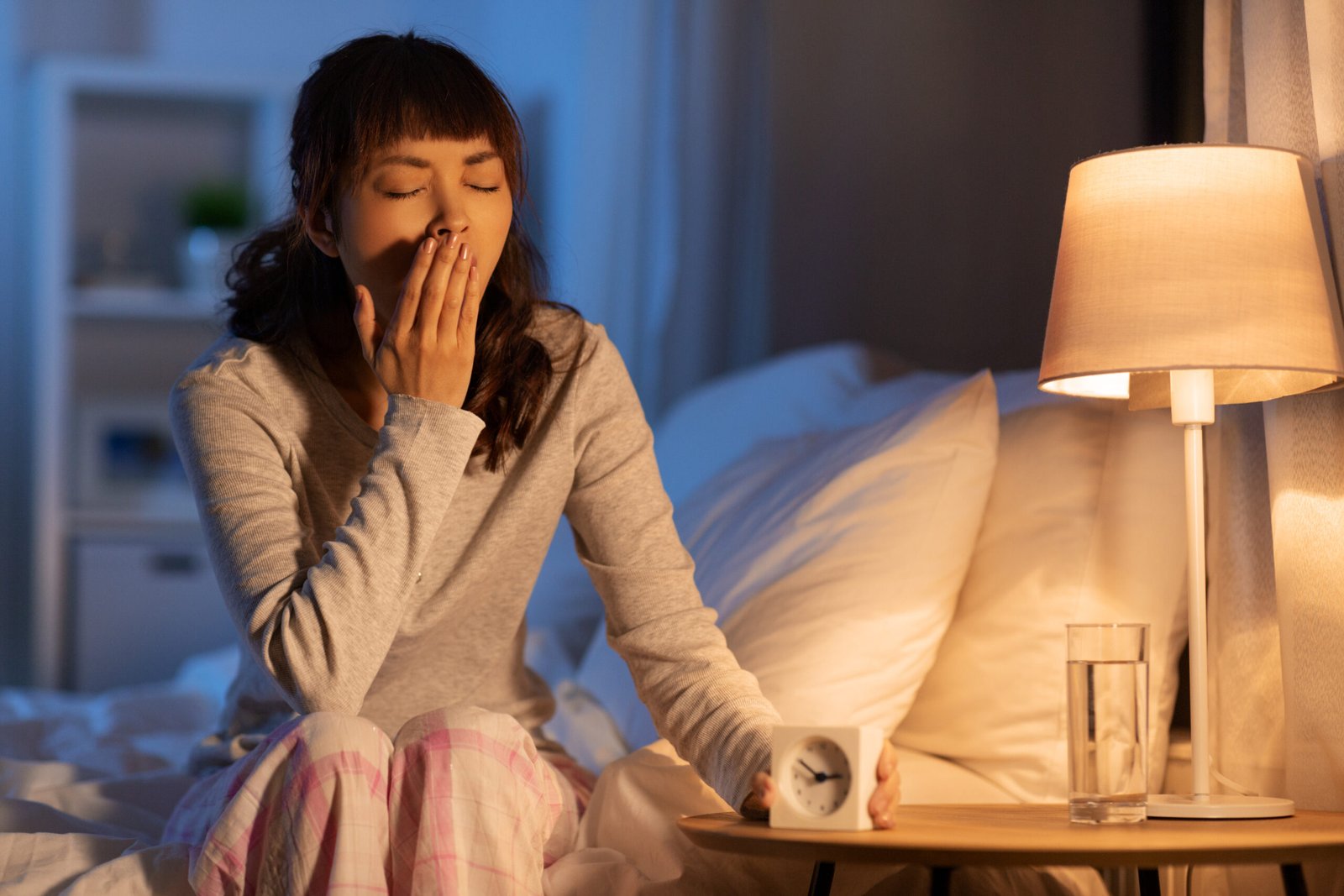
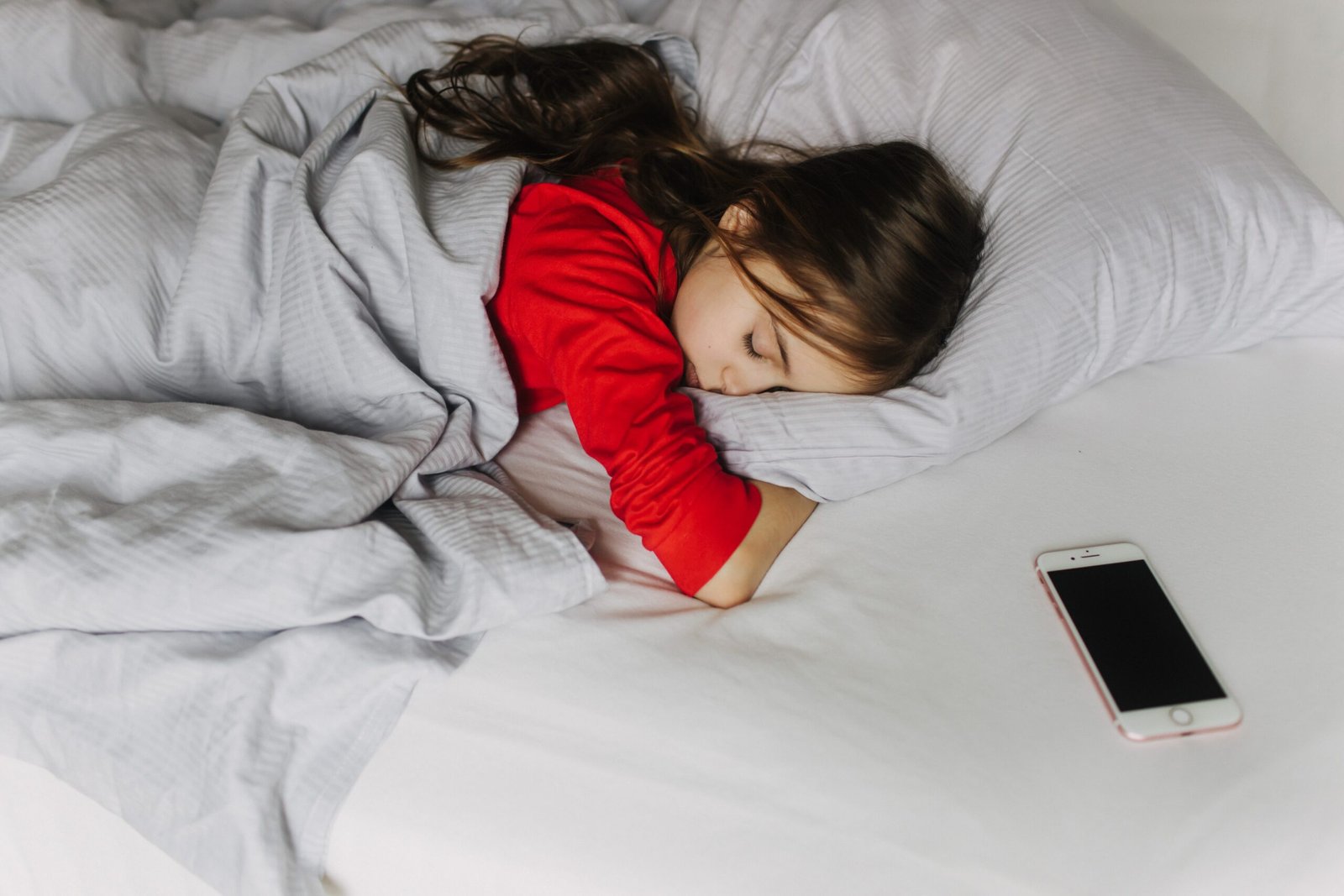
Can an extra two hours of sleep on weekends be a remedy for teen anxiety, or will it backfire?
Story Highlights
- Up to two extra hours of weekend sleep can reduce teen anxiety.
- Excessive weekend sleep can lead to increased internal stress.
- The study used data from 1,900 adolescents in the U.S.
- Early school start times contribute significantly to teen sleep deficits.
The Impact of Sleep on Teen Anxiety
Teenagers may find solace in hitting the snooze button on weekends, but there is a catch. A recent study reveals that while an additional two hours of sleep can alleviate anxiety, oversleeping can have the opposite effect. Researcher Sojeong Kim from the University of Oregon explains that both sleeping less and excessively more on weekends are linked to heightened anxiety symptoms. The sweet spot appears to be less than two extra hours, enough to ease anxiety without disturbing their internal clock.
The study analyzed nearly 1,900 adolescents aged 12 to 15 across the U.S., employing Fitbit trackers to measure sleep patterns and the Child Behavior Checklist to assess mood symptoms. The results highlight the delicate balance required in managing sleep to benefit teen mental health.
Got a health question? Ask our AI doctor instantly, it’s free.
Understanding the Broader Teen Sleep Crisis
The findings underscore a broader issue: a sleep crisis among teens in the U.S. Dr. Wendy Troxel from the RAND Corporation warns that allowing teens to sleep in beyond two hours on weekends can cause “social jetlag,” a disruption to their sleep cycle. This disruption makes it challenging to fall asleep on Sunday nights, leaving them groggy for the school week. Experts emphasize the crisis stems from various factors, including caffeine consumption, screen usage, and hectic schedules, with early school start times being a major impediment.
According to the CDC, only 23% of U.S. teens achieve the recommended 8 to 10 hours of sleep. Most average just six or seven hours, a shortfall linked to anxiety, chronic absences, and risky behaviors. Adjusting school start times could play a crucial role in addressing this crisis.
Trusted fast and free chat with My Healthy Doc today.
Potential Solutions to the Sleep Deficit
Experts like Dr. Rachel Widome and Dr. Shelby Harris advocate for shifting school start times to at least 8:30 a.m., in line with the American Academy of Pediatrics’ recommendations. They argue that biological changes during puberty make early start times particularly challenging for teens. Such adjustments could significantly combat the sleep crisis and improve overall well-being.
Dr. Shelby Harris emphasizes the need for more sleep, noting that the current school schedules do not align with teens’ natural circadian rhythms. By allowing for later start times, schools could help mitigate the anxiety and stress teens face due to sleep deprivation.
Start your health journey in under a minute.
The Importance of Balanced Sleep
Achieving a balance in sleep can lead to better mental health outcomes for teens. While extra sleep on weekends offers temporary relief, the long-term solution lies in structural changes to school schedules and lifestyle adjustments. Educators, parents, and policymakers must collaborate to create environments that support healthy sleep habits for adolescents.
The study, published in the journal Sleep and presented at the SLEEP 2025 conference, highlights the urgent need to address the sleep needs of teens. It serves as a call to action for society to recognize and rectify the factors contributing to this pervasive issue.
Sources:
Science Daily: Teen Sleep Study