The dairy industry just scored a surprising victory in the war against insulin resistance, and your cheese board might be more medicinal than you thought.
Story Snapshot
- Four specific cheeses earn medical approval for insulin resistance management
- Low-fat cheddar and part-skim mozzarella lead the pack with optimal protein-to-fat ratios
- Gouda’s live bacteria cultures may actually improve blood sugar control
- Portion control remains critical—one ounce servings make the difference
The Metabolic Cheese Revolution
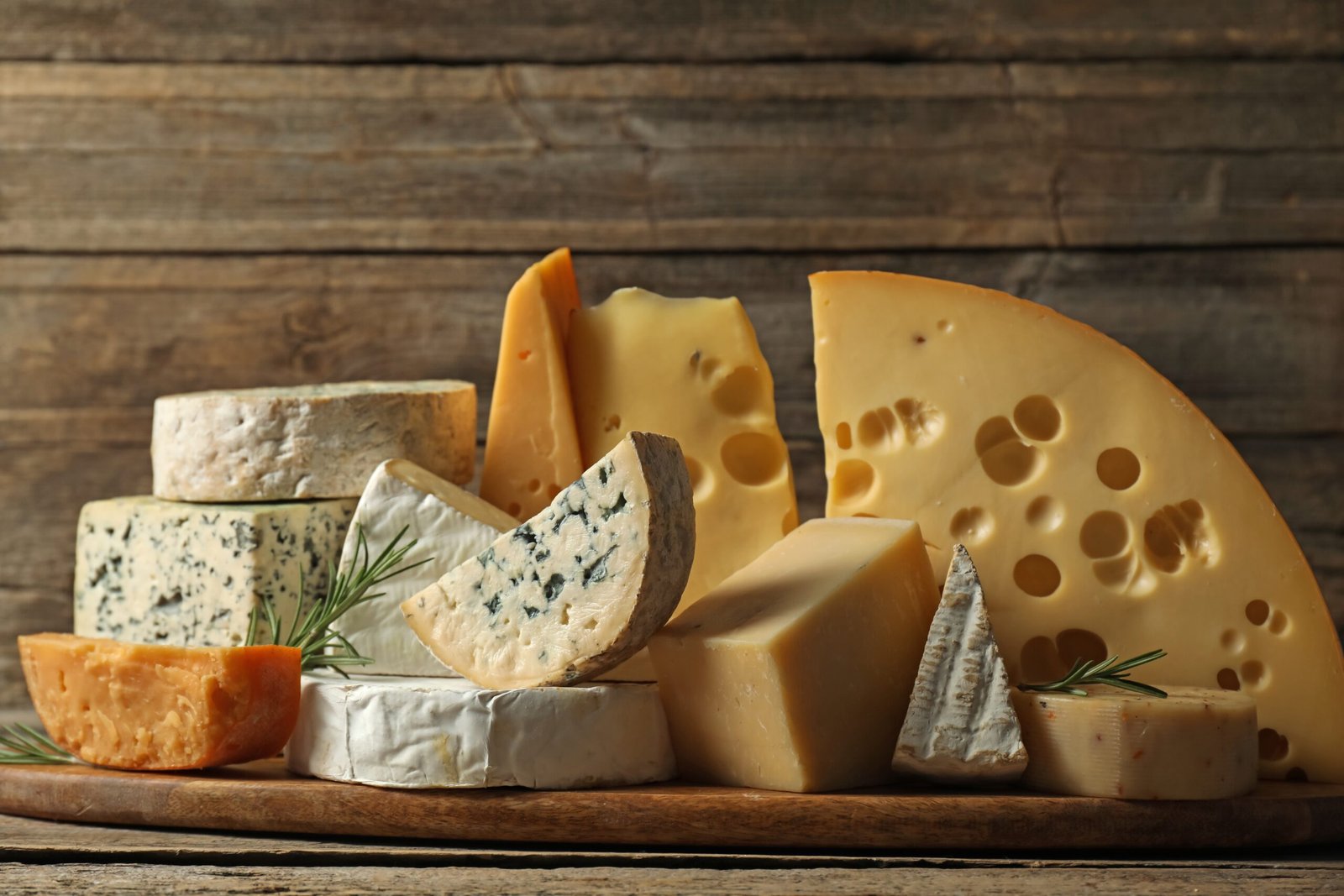
Registered dietitians have identified four cheeses that don’t just avoid harming blood sugar—they may actively support metabolic health. Low-fat cheddar, part-skim mozzarella, Gouda, and Brie earned spots on this exclusive list through their unique nutritional profiles. Each provides high-quality protein and calcium while maintaining relatively lower saturated fat content compared to their full-fat counterparts.
The science behind this recommendation centers on macronutrient balance. These cheeses deliver protein and fat with virtually zero carbohydrates, creating minimal glycemic impact. One ounce of low-fat cheddar provides seven grams of protein, nine percent of daily calcium needs, and only one gram of saturated fat—numbers that work within insulin-sensitive dietary frameworks.
Struggling to lose weight? Try our AI doctor for GLP 1 options.
The Gouda Advantage Goes Beyond Nutrition
Gouda stands apart from its companions through its fermentation process. This cultured cheese contains live bacteria that may beneficially alter gut microbiota, offering what experts describe as “extra defense” against insulin resistance. The connection between gut health and blood sugar control has emerged as a significant factor in metabolic disease management.
Research demonstrates that high-fat diets can induce central insulin resistance independent of obesity, supporting recommendations to limit saturated fat intake. Gouda’s fermentation process creates a cheese that provides beneficial bacteria while maintaining the low glycemic index that makes cheese compatible with blood sugar management strategies.
Discover modern medical weight loss start free.
Brie Brings Unexpected Benefits
Brie’s inclusion surprises many who associate soft cheeses with indulgence rather than health benefits. This creamy cheese qualifies for the insulin resistance-friendly list primarily due to its lower sodium content compared to aged hard cheeses. Since high blood pressure often accompanies insulin resistance, reducing sodium intake becomes particularly important for this population.
The key lies in understanding that insulin resistance management requires addressing multiple metabolic factors simultaneously. Brie’s lower sodium profile helps manage the cardiovascular risks that frequently coexist with blood sugar problems, making it a strategic choice rather than simply a permitted indulgence.
Safe science based weight loss no guesswork.
The Portion Control Reality Check
The most critical aspect of this cheese guidance centers on portion control. Dietitians emphasize one-ounce servings as the maximum recommended amount, paired with high-fiber, non-starchy vegetables. This approach prevents cheese from becoming the primary protein or calcium source while allowing it to enhance meal satisfaction and adherence to metabolic health eating patterns.
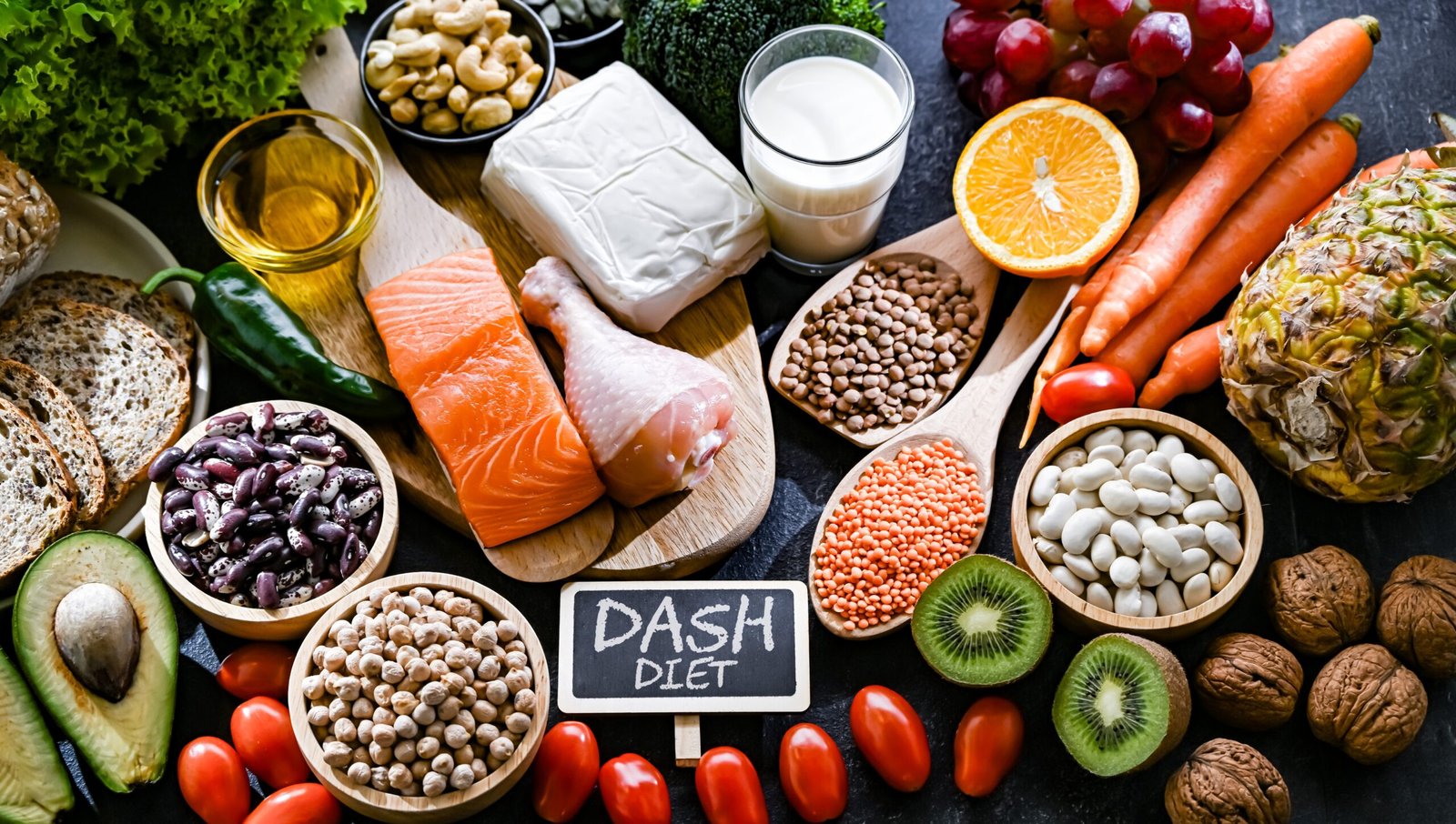
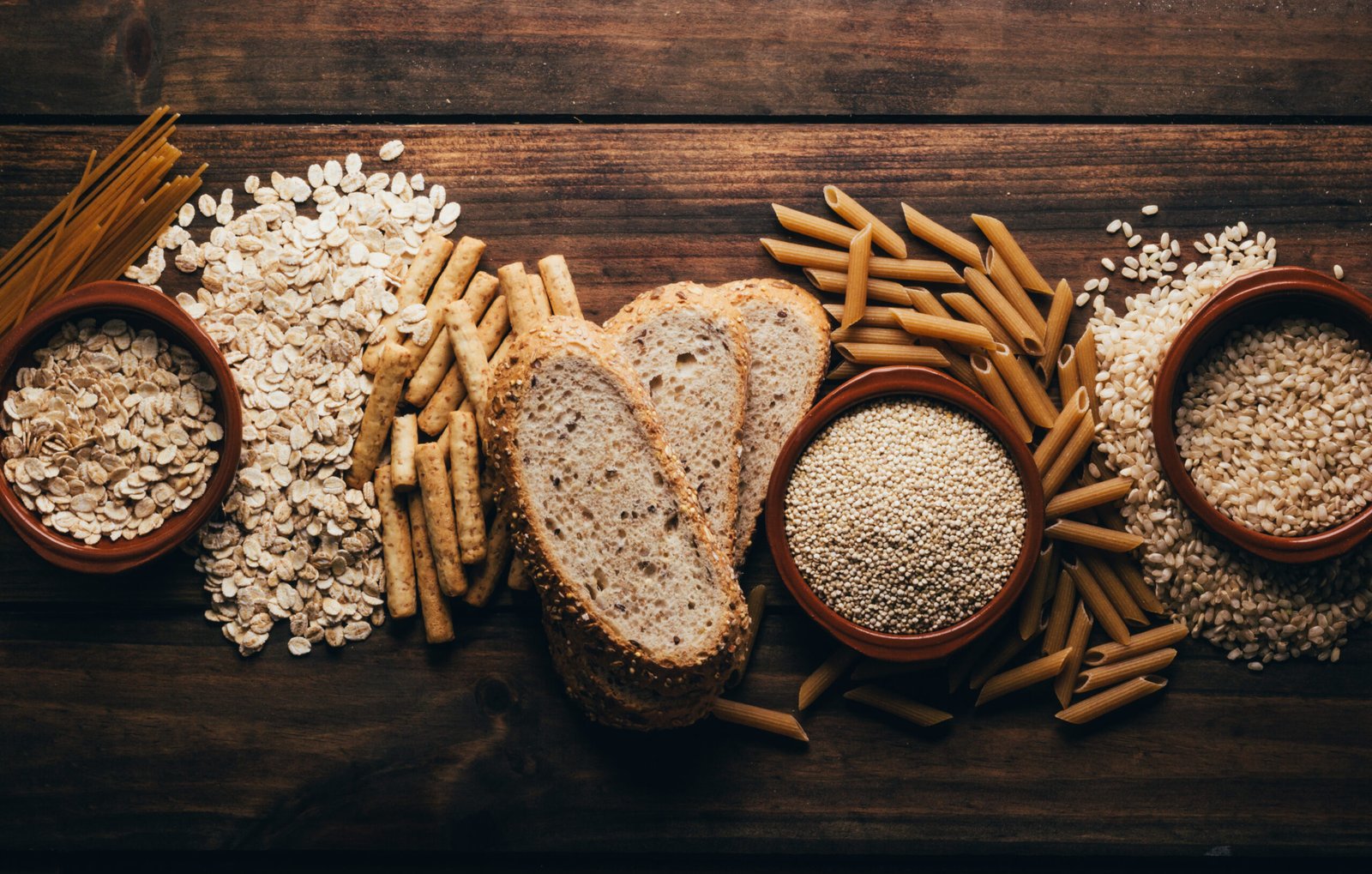
Clinical guidance from institutions like Cleveland Clinic continues emphasizing whole grains, lean proteins, fruits, and vegetables as the foundation for insulin resistance management. Cheese fits within this framework as a conditional, context-dependent option rather than a therapeutic intervention. The success of including these four cheeses depends entirely on their integration into an overall healthy dietary pattern focused on blood sugar stability.
Sources:
Fighting insulin resistance? Dietitians recommend these 4 cheeses that actually help
The 4 Best Cheeses for Insulin Resistance, According to Dietitians
What cheese is good for type 2 diabetes
Insulin Resistance Diet