Can a simple vitamin transform your iron absorption and combat anemia? The answer might surprise you.
Story Snapshot
- Vitamin C significantly enhances nonheme iron absorption.
- Clinical trials confirm the efficacy of combining vitamin C with iron.
- Molecular research reveals how vitamin C boosts iron absorption.
- Vitamin C supplementation is especially effective for plant-based diets.
The Science Behind Vitamin C and Iron Absorption
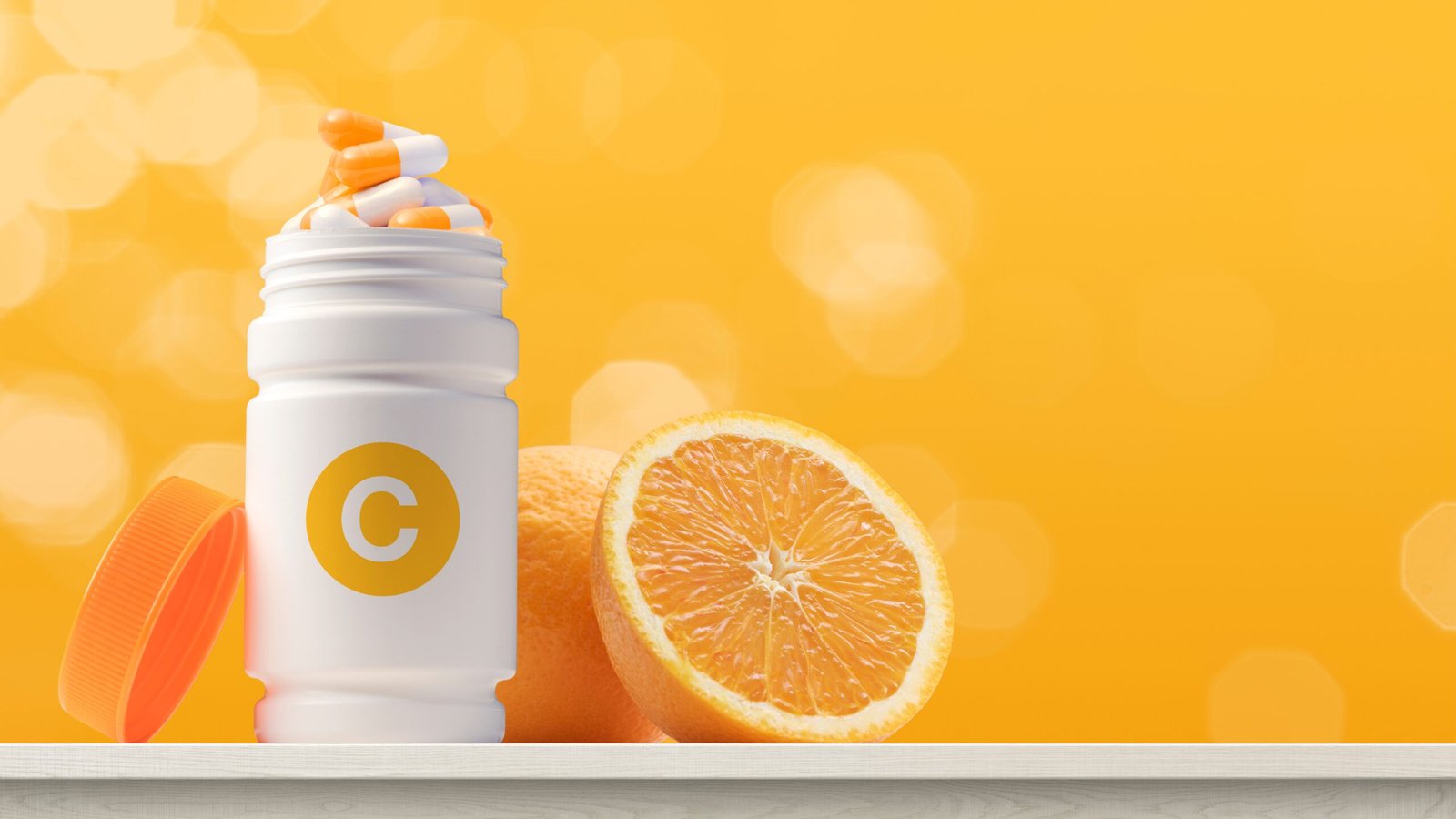
Iron deficiency anemia affects millions worldwide, particularly targeting women, children, and vegetarians. Research shows that vitamin C, or ascorbic acid, plays a pivotal role in enhancing the absorption of nonheme iron, predominantly found in plant sources. Vitamin C converts ferric iron (Fe³⁺) into a more absorbable ferrous form (Fe²⁺) and forms soluble complexes, facilitating its uptake in the digestive tract. This biochemical interaction is vital for those relying on nonheme iron sources.
Early studies from before the 1980s laid the foundation by identifying vitamin C as a key enhancer of nonheme iron absorption. Recent advancements by Japanese researchers in 2018 further elucidated the atomic-level interactions between vitamin C and iron transport proteins, solidifying its role in iron metabolism. These discoveries underscore the importance of including vitamin C-rich foods or supplements when addressing iron deficiencies.
Clinical Evidence and Expert Opinions
Clinical trials and meta-analyses conducted between 2015 and 2025 have consistently demonstrated the benefits of combining vitamin C with iron supplementation. These studies report significant improvements in hemoglobin and ferritin levels among participants, particularly those with iron deficiency anemia. Experts agree that while the absolute benefit might be modest, the combination can lead to faster recovery from anemia and better overall iron status.
For individuals following a plant-based diet or those with poor iron absorption, vitamin C’s impact is especially pronounced. In contrast, the effect is less significant for heme iron, found in animal products, which is already highly bioavailable. Nonetheless, vitamin C remains a valuable tool in the nutritional arsenal against iron deficiency.
Practical Implications and Recommendations
Given the evidence, health professionals often recommend pairing vitamin C-rich foods, such as citrus fruits, bell peppers, and strawberries, with iron supplements or iron-rich meals. This strategy is particularly beneficial for vegetarians and those at risk of iron deficiency. However, there is ongoing debate about optimal dosing and whether vitamin C supplementation is necessary for all populations.
Safety profiles indicate that while vitamin C is generally well-tolerated, increased iron absorption may lead to gastrointestinal side effects in some individuals. Therefore, personalized approaches considering dietary habits and specific health needs are crucial for maximizing benefits while minimizing risks.
Future Directions and Research
The consensus among researchers and clinicians is clear: vitamin C is a potent enhancer of nonheme iron absorption, offering a practical solution for addressing iron deficiency anemia. However, questions remain about the optimal dose and the necessity of supplementation in populations with sufficient dietary iron intake. Ongoing studies aim to refine these recommendations and explore potential benefits in diverse demographic groups.
As our understanding of vitamin C and iron interactions deepens, the integration of vitamin C into public health strategies may shift. Supplement manufacturers might incorporate vitamin C into iron products, and food fortification programs could emphasize vitamin C-rich foods. These efforts could lead to significant reductions in anemia prevalence, enhancing public health outcomes on a global scale.
Sources:
SPring-8 Press Release
ClinicalTrials.gov
PubMed
NEJM Journal Watch