Lung cancer kills more Americans than any other cancer, yet most people eligible for life-saving screening never get tested—a deadly oversight that Mayo Clinic experts are fighting to change.
Key Points
- Mayo Clinic pioneered low-dose CT screening that dramatically improves early lung cancer detection
- Most high-risk patients never receive recommended screening, missing the chance for early intervention
- New home-based cancer care programs and advanced diagnostic technologies are revolutionizing treatment
- Clinical trials at Mayo Clinic Florida offer access to cutting-edge therapies before they become widely available
The Silent Killer’s Deadly Statistics
Lung cancer claims more lives than breast, prostate, and colon cancers combined, making it America’s leading cancer killer. The disease’s insidious nature means symptoms often appear only after cancer has spread beyond surgical cure. Mayo Clinic researchers discovered that early detection through low-dose CT scanning can catch tumors when they’re still treatable, yet screening rates remain shockingly low across eligible populations.
The tragedy lies in the numbers: patients diagnosed with early-stage lung cancer have survival rates exceeding 90 percent, while those caught at advanced stages face survival rates below 20 percent. This stark difference underscores why Mayo Clinic has made screening advocacy a cornerstone of their lung cancer program, pushing for broader awareness among high-risk patients and their physicians.
Revolutionary Screening Breakthrough
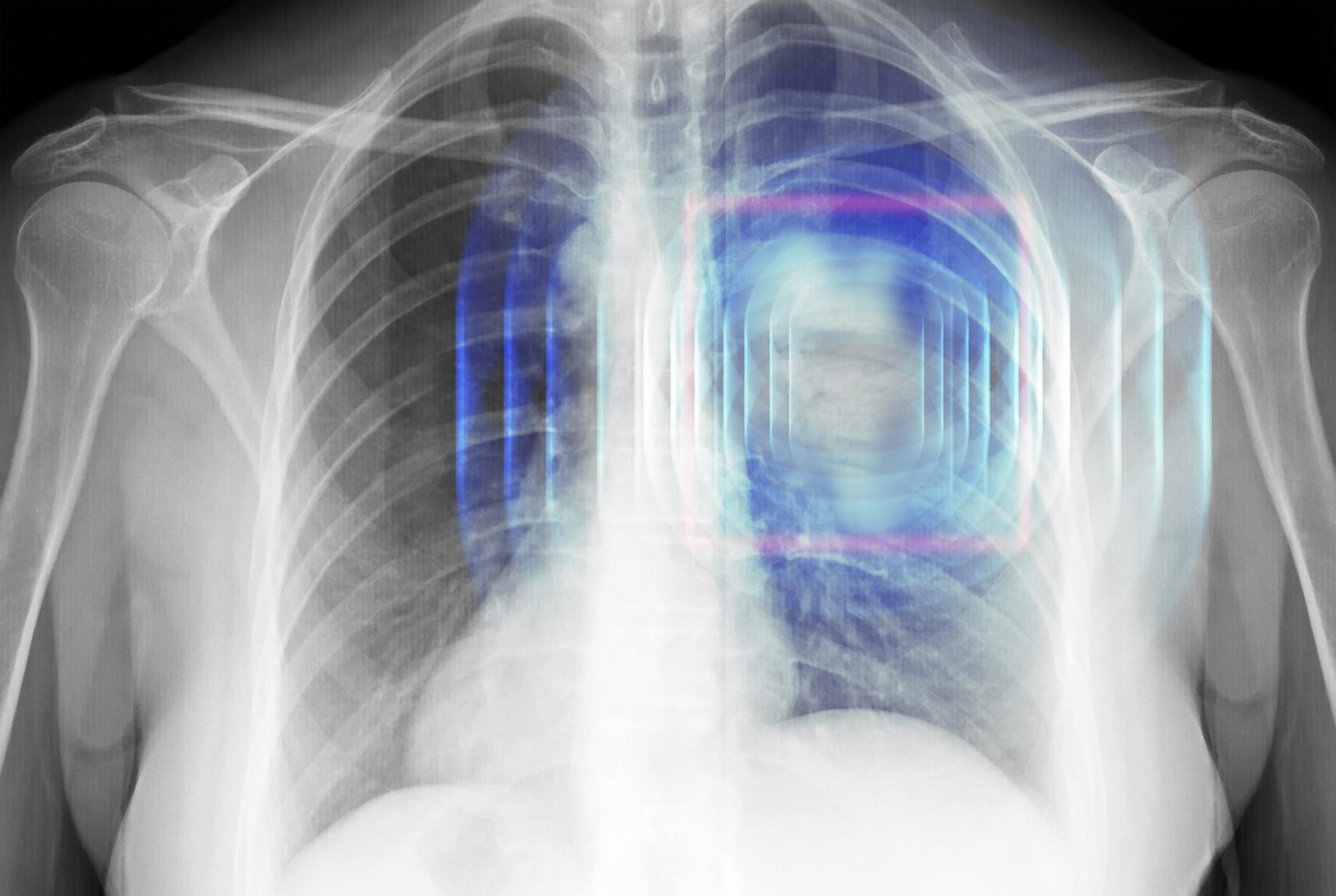
Mayo Clinic participated in landmark studies that proved low-dose CT scans could reduce lung cancer deaths by 20 percent compared to chest X-rays. This breakthrough emerged from decades of research, with Mayo’s scientists contributing crucial data on screening effectiveness. The technology can detect tumors smaller than a dime, often before patients experience any symptoms.
Despite these proven benefits, implementation remains inconsistent nationwide. Mayo Clinic experts estimate that fewer than 15 percent of eligible high-risk patients receive recommended screening. The criteria include current or former heavy smokers aged 50 to 80 with at least a 20 pack-year smoking history, yet many primary care physicians don’t routinely discuss screening options with qualifying patients.
Advanced Diagnostic Arsenal
Mayo Clinic Florida employs robotic bronchoscopy and electromagnetic navigation systems that can reach previously inaccessible lung areas for tissue sampling. These technologies allow doctors to biopsy suspicious nodules with precision that was impossible just a few years ago. The multidisciplinary team approach means patients receive coordinated care from thoracic surgeons, medical oncologists, radiation oncologists, and pulmonologists working together.
Genetic testing has become standard practice, with Mayo’s researchers identifying specific mutations that predict treatment responses. Dr. Ping Yang’s Epidemiology and Genetics of Lung Cancer Research Program focuses particularly on lung cancer in nonsmokers, a growing demographic that challenges traditional risk profiles. This research has revealed distinct genetic patterns that inform personalized treatment strategies.
Cutting-Edge Treatment Innovations
The new Integrated Oncology Building at Mayo Clinic Florida represents a significant expansion of treatment capabilities, housing advanced clinical trial facilities and home-based care coordination centers. Patients can now access experimental therapies through the Cancer Care Beyond Walls program, which brings sophisticated treatments directly to their homes when appropriate.
Clinical trials at Mayo offer hope for patients with advanced disease, including immunotherapy combinations and targeted therapies designed for specific genetic mutations. These trials often provide access to treatments years before they receive FDA approval for general use. The National Cancer Institute’s designation of Mayo as a comprehensive cancer center ensures rigorous scientific standards and cutting-edge research protocols.
Economic Reality and Access Challenges
Cancer drug costs have skyrocketed, with some lung cancer treatments exceeding $150,000 annually. Mayo Clinic researchers acknowledge this burden while working to demonstrate the long-term cost-effectiveness of early detection and precision medicine approaches. Home-based care programs aim to reduce hospitalizations and improve quality of life while controlling expenses.
The institution’s focus on survivorship research addresses the growing population of lung cancer survivors who face long-term health challenges. These studies inform supportive care strategies and help patients navigate the complex aftermath of cancer treatment, from managing side effects to preventing recurrence.
Sources:
Lung Cancer Care at Mayo Clinic
Epidemiology and Genetics of Lung Cancer Program
Mayo Clinic Lung Cancer Program Overview
Mayo Clinic Cancer Center Florida
Lung Cancer Clinical Trials