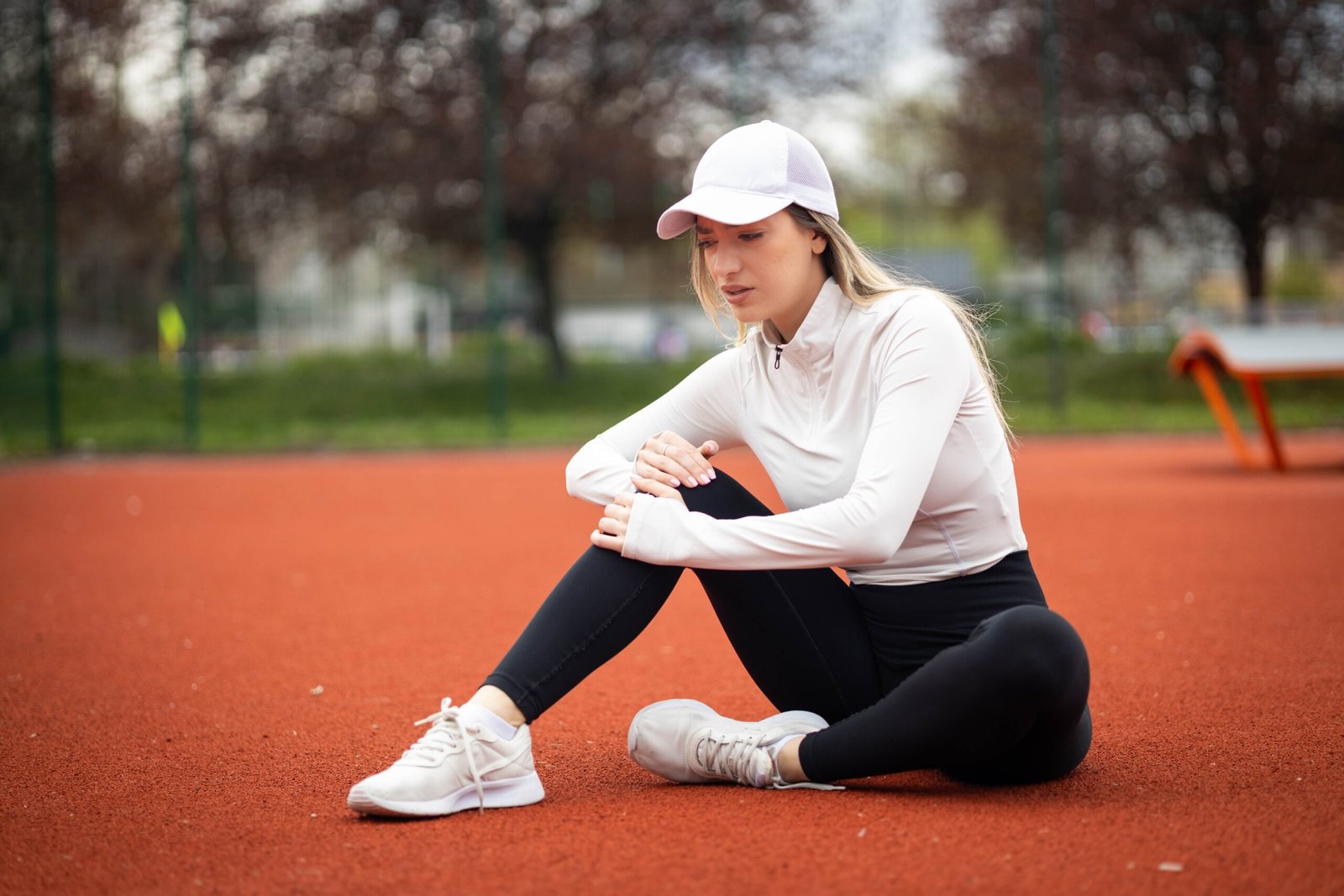
Women are twice as likely to suffer knee injuries as men due to a complex mix of factors, sparking a need for targeted solutions.
Story Snapshot
- Women face up to eight times higher risk of ACL tears in certain sports.
- Anatomical, hormonal, and social factors contribute to this disparity.
- There is a growing call for improved prevention and awareness.
- Recent high-profile events highlight the need for systemic changes.
Understanding the Disparity
Women athletes, especially those involved in sports like soccer and basketball, experience knee injuries at alarmingly higher rates than their male counterparts. This statistic isn’t just a footnote in sports medicine; it’s a clarion call for deeper understanding. Studies show that biological factors, such as wider pelvises and hormonal fluctuations, play a significant role. However, social factors, like resource allocation and training disparities, exacerbate the problem.
The increased participation of women in competitive sports has highlighted these disparities. As the visibility of female athletes grows, so does the awareness of their unique challenges. This awareness extends beyond the field, influencing research agendas and prompting policy discussions. The imperative now is not just to understand the ‘why’ but to address the ‘how’—how to prevent these injuries and support athletes in recovery.
Historical Context and Recent Developments
The recognition of higher ACL injury rates among women dates back to studies from the 1990s and early 2000s. These studies initially focused on anatomical and hormonal differences. However, recent developments have shifted the focus to include biomechanical and social factors, such as the training environment and team dynamics. These insights are crucial as they highlight the multifaceted nature of the issue.
In 2023, the Women’s World Cup brought renewed attention to this problem, with several high-profile ACL injuries underscoring the urgency of the situation. As we look toward 2024 and beyond, ongoing research aims to refine prevention strategies and advocate for equitable resource allocation. The challenge lies in translating research findings into actionable, real-world solutions that can be implemented across sports leagues and educational institutions.
Key Stakeholders and Their Roles
Female athletes are at the heart of this issue, enduring the physical and emotional toll of knee injuries. Sports teams and leagues are responsible for safeguarding athlete health and ensuring fair resource distribution. Medical professionals and researchers strive to unravel the complex web of factors leading to these injuries, while coaches and trainers implement prevention programs. Governing bodies play a pivotal role in setting policies and prioritizing funding for research and prevention initiatives.
Power dynamics within the sports industry often favor male athletes, influencing everything from media coverage to financial investment. This imbalance impacts injury prevention efforts for women, highlighting the need for systemic change. Decision-makers, including team physicians and league administrators, wield significant influence over policy and practice, making their involvement crucial in driving progress.
Strategies for Prevention and Support
Addressing the higher incidence of knee injuries in women requires a holistic approach. Injury prevention programs that focus on neuromuscular training have shown promise in reducing ACL injury rates. However, the adoption of these programs remains inconsistent. Increasing their uptake is vital, as is ensuring that training protocols are designed with gender-specific considerations in mind.
Equitable resource allocation is another critical component. This includes ensuring that female athletes have access to the same quality of coaching, facilities, and medical care as their male counterparts. Additionally, fostering an environment that prioritizes athlete health over competitive success can lead to more sustainable sports careers for women. These changes require a concerted effort from all stakeholders, driven by a commitment to equity and safety in sports.
Sources:
Harvard Gazette
Cedars-Sinai Blog
PMC Article
Dr. Sterett Sports Medicine Blog
IJSPT Article
NM Healthbeat
PMC Article
POA Docs