
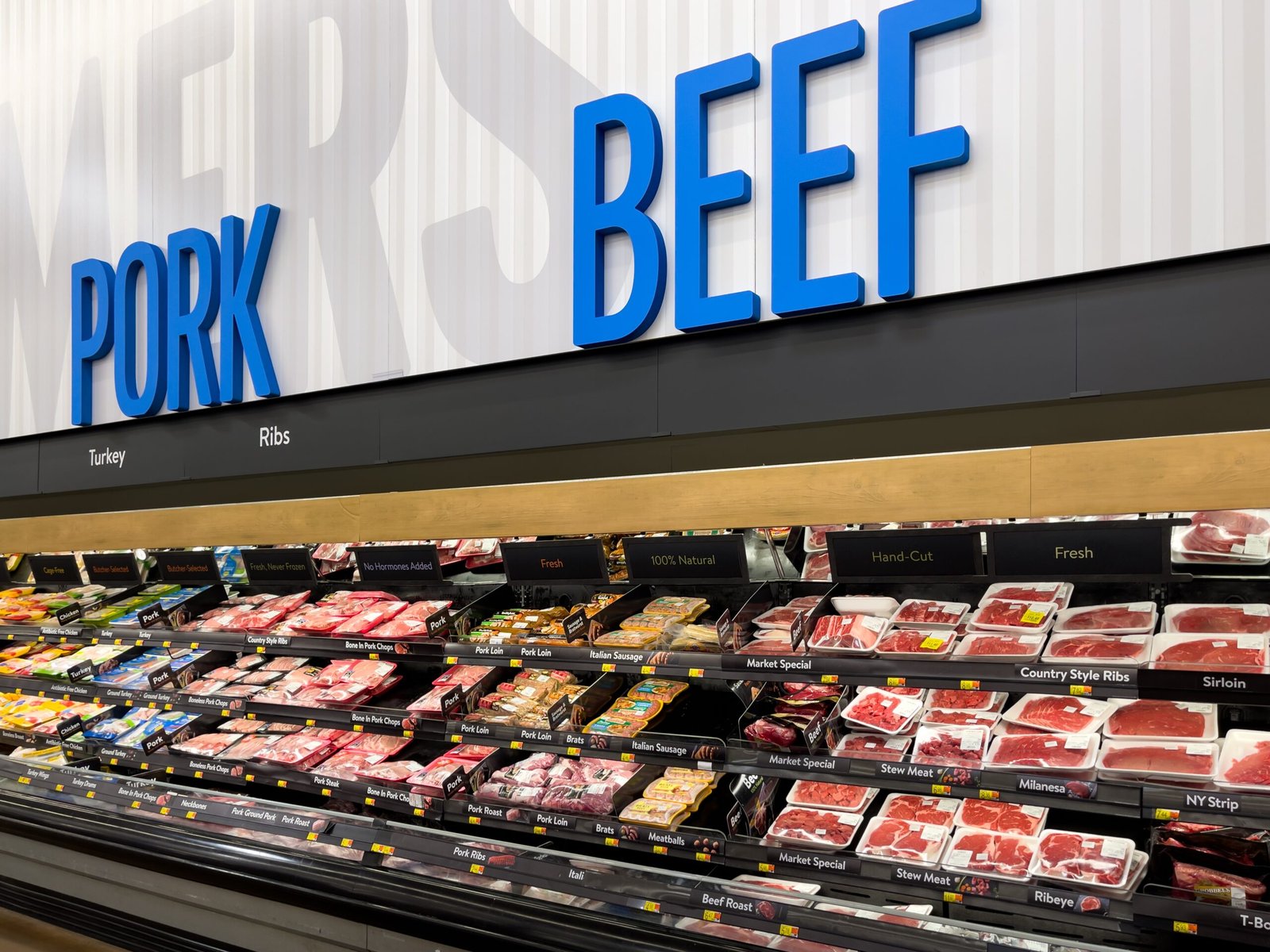
One in every five urinary tract infections may begin not in your bathroom but at your dinner table—on a plate of perfectly legal, store-bought meat.
Key Points
- Genomic sleuthing traced nearly 20% of Southern California UTIs to E. coli in retail meat, especially poultry and pork.
- The study reframes UTI prevention as a food safety and public health issue, not just a matter of personal hygiene.
- Women, older adults, and those in low-income neighborhoods face the highest risk from foodborne E. coli.
- Calls for safer meat production and handling grow as the meat industry faces scrutiny and potential reforms.
Meat Counter to Medicine Cabinet: Tracing the UTI Pipeline
Southern California’s grocery aisles may be fueling a silent epidemic. Researchers genetically mapped over 5,700 UTI cases alongside meat samples from 2017 to 2021, conclusively linking nearly one-fifth of infections to E. coli strains found in poultry and pork. These weren’t random overlaps; scientists used genomic fingerprinting to match bacteria in people’s urine to those lurking in the cellophane-wrapped packages in their shopping carts. Women—who already bear the brunt of UTI misery—were hit hardest, making up 88% of the cases connected to contaminated meat.
No longer can we view UTIs as a simple misfortune of poor hygiene or bad luck. The evidence points to a foodborne route that begins with industrial animal farming and ends, sometimes painfully, in the doctor’s office. The U.S. food supply chain, with its vast reach and industrial scale, ensures that the risks observed in diverse Southern California neighborhoods could play out anywhere meat is sold and eaten.
The Industrial Meat Machine: A Perfect Storm for E. Coli
Poultry and pork top the contamination charts, with turkey clocking in at an alarming 82% E. coli positivity rate, chicken at 58%, pork at 54%, and beef at 47%. The meat industry’s scale and efficiency may be its own Achilles’ heel, as centralization and mass processing allow bacteria to spread far and wide before a single steak or drumstick hits your grill. While outbreaks of E. coli causing stomach upset are old news, this new research spotlights a stealthier threat—extraintestinal pathogenic E. coli (ExPEC), which can jump from animal products to the human urinary tract, bypassing the gut entirely.
The study’s revelations are shifting the UTI conversation. Hygiene, though still vital, is no longer the sole arena for prevention. Food safety, animal health, and industrial practices now share the spotlight. As Dr. Betsy Foxman observes, this marks a paradigm shift: UTI prevention must go beyond handwashing to address what’s on the dinner plate and how it got there.
Vulnerable Populations and the Economics of Risk
Low-income neighborhoods face disproportionate risk. Researchers found that “value pack” meats, often sold at a discount and more likely to be consumed by cost-conscious families, showed higher contamination rates. This economic reality compounds existing health disparities, as women and the elderly—already more susceptible to UTIs—find themselves unwittingly exposed to dangerous bacteria through everyday meals.
Public health agencies and researchers are sounding alarms. While no immediate regulatory changes have hit the books, calls for interventions are intensifying. These range from improved slaughterhouse hygiene and stricter oversight to the development of livestock vaccines targeting high-risk E. coli strains. For now, consumers are left to navigate a food system where risk mitigation often falls on their shoulders—through careful cooking, kitchen vigilance, and sometimes, wariness at the meat counter.
Industry Responses, Regulatory Gaps, and the Road Ahead
The meat industry, under increasing scrutiny, faces a crossroads. Calls for reform come from respected quarters: Dr. Lance Price, who led the study, advocates for livestock vaccination and tighter food safety standards. Public health experts urge a “One Health” approach, integrating human, animal, and environmental considerations. Yet, industry representatives maintain that current standards are robust, deflecting blame to consumer handling practices.
Political and economic interests collide as regulators weigh new rules. The costs of improved safety measures could ripple through the food supply, affecting prices and industry profits. Meanwhile, consumers—armed with new knowledge—may demand transparency, accountability, and safer choices. The scientific consensus is clear: the meat on your plate may be more closely connected to your health than you ever imagined. Further research is needed to confirm the nationwide scope, but the Southern California findings are a wake-up call for anyone who thinks foodborne illness ends at the digestive tract.
Sources:
Healthline
LA Times
CBS News
CIDRAP
Contemporary OB/GYN
mBio