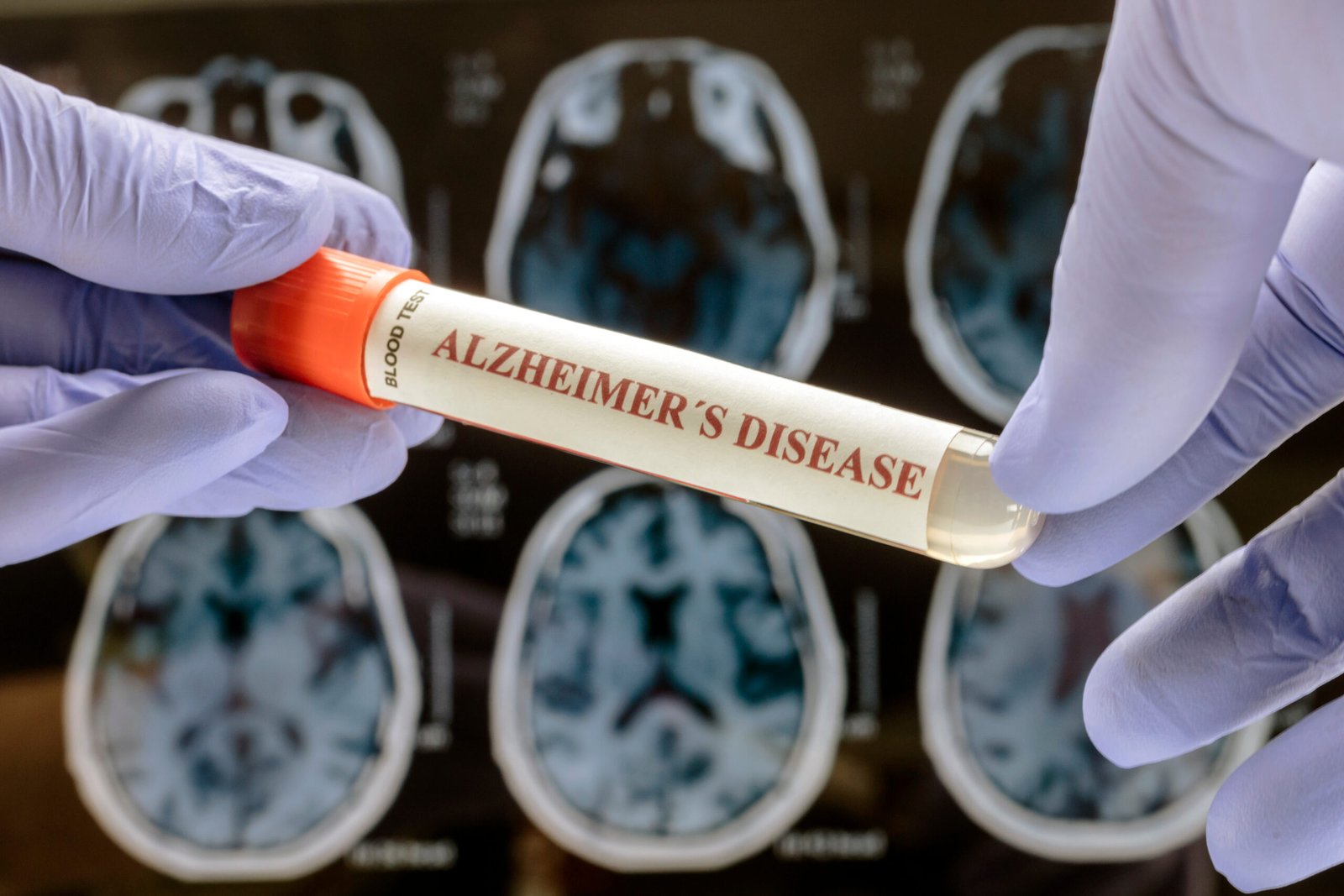

Scientists have discovered prostate cancer’s molecular Achilles’ heel—two enzymes that, when disrupted, force aggressive cancer cells to self-destruct.
Story Highlights
- Researchers identified PDIA1 and PDIA5 enzymes as critical survival mechanisms in prostate cancer cells
- Targeting these enzymes triggers cancer cell self-destruction rather than merely slowing growth
- Discovery offers new hope for treatment-resistant prostate cancer that defies current therapies
- Breakthrough could revolutionize approach to aggressive cancer subtypes affecting thousands of men
The Hidden Vulnerability Scientists Never Expected
Prostate cancer has long frustrated oncologists with its ability to evolve resistance to even the most sophisticated treatments. Castration-resistant prostate cancer particularly torments patients and doctors alike, as standard hormone therapies and chemotherapy often fail spectacularly. But November 2025 brought unexpected news: cancer cells harbor a fatal dependency that researchers can exploit.
New breakthrough! Researchers found a hidden weakness in prostate cancer cells, making them self-destruct. This discovery could revolutionize treatment, offering new hope. Read more: https://t.co/8ibTs7lEqo #ProstateCancer #CancerResearch #MedicalNews
— ₿Proud (@B_ProudX) November 11, 2025
The discovery centers on two protein-folding enzymes, PDIA1 and PDIA5, which function as essential life support systems for prostate cancer cells. Unlike previous therapeutic targets that merely slow cancer progression, disrupting these enzymes triggers cellular suicide—a mechanism researchers describe as transformative for treatment approaches.
When Cancer’s Strength Becomes Its Fatal Weakness
Advanced prostate cancer cells face constant stress from treatments designed to kill them. To survive this assault, they rely heavily on protein-folding machinery to maintain cellular function under hostile conditions. PDIA1 and PDIA5 serve as crucial components of this survival apparatus, working overtime to keep cancer cells functional despite therapeutic pressure.
This dependency creates an unexpected vulnerability. Scientists discovered that cancer cells become so reliant on these enzymes that removing them causes complete cellular collapse. The aggressive stem cell-like subtype of castration-resistant prostate cancer, identified in 2022 research, appears particularly susceptible to this approach—ironically, the most treatment-resistant cancers may be the most vulnerable to enzyme disruption.
The Science Behind Cellular Self-Destruction
Traditional cancer treatments work by damaging cells faster than they can repair themselves. This new approach operates differently, exploiting cancer’s own survival mechanisms against itself. When PDIA1 and PDIA5 function properly, they help fold proteins correctly under stress, enabling cancer cells to survive treatments that should kill them.
Disrupting these enzymes creates a cascade of cellular failures. Misfolded proteins accumulate, stress responses fail, and the cancer cell’s elaborate survival machinery collapses from within. Researchers describe this as “induced self-destruction“—the cancer cell essentially commits suicide when its essential life support systems are removed.
🚨Hidden weakness makes prostate cancer self-destruct🚨
Researchers have discovered that prostate cancer depends on two key enzymes, PDIA1 and PDIA5, to survive and resist therapy. When blocked, these enzymes cause the androgen receptor to collapse, killing cancer cells and 🧵👇 pic.twitter.com/dUs3R5HzrC
— Uncaged Being (@UncagedBeing) November 11, 2025
Beyond Current Treatment Limitations
Existing prostate cancer treatments face significant limitations, particularly with patients carrying mutations in DNA repair genes like BRCA1, BRCA2, CHEK2, and PALB2. These genetic alterations accelerate disease progression and reduce treatment effectiveness, creating desperate situations for patients and families facing advanced diagnoses.
The enzyme-targeting approach offers hope precisely because it operates independently of these genetic factors. Instead of trying to overcome complex mutations, this strategy exploits fundamental cellular dependencies that appear consistent across different cancer subtypes. Early research suggests this vulnerability exists regardless of the specific genetic alterations driving individual tumors.
Sources:
Research at Risk: Rooting Out Treatment-Resistant Prostate Cancer
Drug Combination Improves Outcomes in Advanced Prostate Cancer
Hidden Weakness Makes Prostate Cancer Self-Destruct
Scientists Uncover New Weak Spot in Prostate Cancer Cells