
MSG isn’t just for Chinese takeout—Chef Roy Choi says it’s the secret weapon that can make vegetables so irresistible, you might finally crave them more than steak.
Story Snapshot
- Chef Roy Choi shares three restaurant-tested strategies for making vegetables crave-worthy at home.
- His new cookbook, The Choi of Cooking, reframes vegetable prep as easy, flavorful, and fun.
- Choi openly advocates for MSG, challenging its negative reputation and revealing its flavor-boosting power.
- The tricks are designed for busy, health-conscious Americans who want more veggies without sacrificing taste.
Roy Choi’s Culinary Mission: Making Vegetables the New Comfort Food
Roy Choi, the chef who sparked a street food revolution with his Korean-Mexican Kogi BBQ truck, now wants home cooks to treat vegetables with the same obsessive care they give to brisket or tacos. Early 2024 saw the release of his cookbook, The Choi of Cooking, which puts vegetables front and center. Choi speaks candidly about his journey from a diet dominated by processed foods to one that celebrates produce. The shift was not driven by trendy health fads, but by hard-earned wisdom and personal necessity. He now argues that vegetables, when prepared with intent and flavor science, can be the centerpiece of any meal—satisfying, convenient, and deeply delicious. Choi’s message: vegetables don’t need to be punishment, and flavor is not optional.
Choi’s approach stands out in an American food culture where vegetable consumption consistently falls short of recommendations. His three tricks—weekly prep, homemade sauces, and a dash of MSG—are practical responses to the twin barriers of blandness and inconvenience. According to Choi, prepping vegetables ahead of time (washing, cutting, storing) creates a grab-and-go system reminiscent of restaurant mise en place. For busy adults, this means the difference between a sad, neglected veggie bin and quick, colorful stir-fries or salads. Choi’s philosophy is grounded in the realities of hectic family life; he insists that accessibility is as crucial as nutrition.
Flavor First: The Case for Homemade Sauces and MSG
Choi’s second strategy elevates vegetables from side dish status with homemade sauces—think ginger ponzu or sweet garlic teriyaki. These are not labor-intensive projects but simple, batch-prepped condiments that transform broccoli or carrots into craveable bites. Choi’s sauces are deeply rooted in the traditions of Korean and Californian cooking, blending umami, sweetness, and acidity. The message is clear: if vegetables taste great, you’ll eat them. Choi’s unapologetic embrace of MSG is perhaps his most provocative move. He argues, backed by food scientists and nutritionists, that MSG is safe for most people and that its reputation as a villain is undeserved. For Choi, MSG delivers the “restaurant flavor” that makes vegetables addictive rather than obligatory.
The public reaction to Choi’s MSG advocacy has been mixed but increasingly positive. Food experts and health professionals acknowledge that MSG sensitivity is rare, and most Americans can enjoy its umami boost without concern. Choi’s willingness to challenge culinary taboos is part of his broader campaign to democratize flavor—making professional kitchen secrets accessible to home cooks. The result is a growing acceptance of seasoning science, and a new wave of vegetable-forward dishes appearing on dinner tables. As Choi puts it, “If you want to eat more vegetables, make them taste so good you can’t stop.”
From Cookbook to Kitchen: The Ripple Effect of Choi’s Tips
The Choi of Cooking has quickly become a touchstone for Americans seeking healthier, tastier meals. Media coverage from NPR, LAist, and Good Morning America highlights Choi’s clear, actionable advice and showcases his vibrant recipes. Home cooks report that prepping vegetables and making sauces in advance reduces decision fatigue and increases the odds that those veggies end up on the plate. Choi’s tips are being shared across social media, fueling a grassroots movement toward flavor-driven healthy eating. The economic impact is visible in increased produce sales and new demand for kitchen containers and condiments. Socially, Choi’s destigmatization of MSG is changing conversations about nutrition and taste, linking culinary pleasure with wellness.
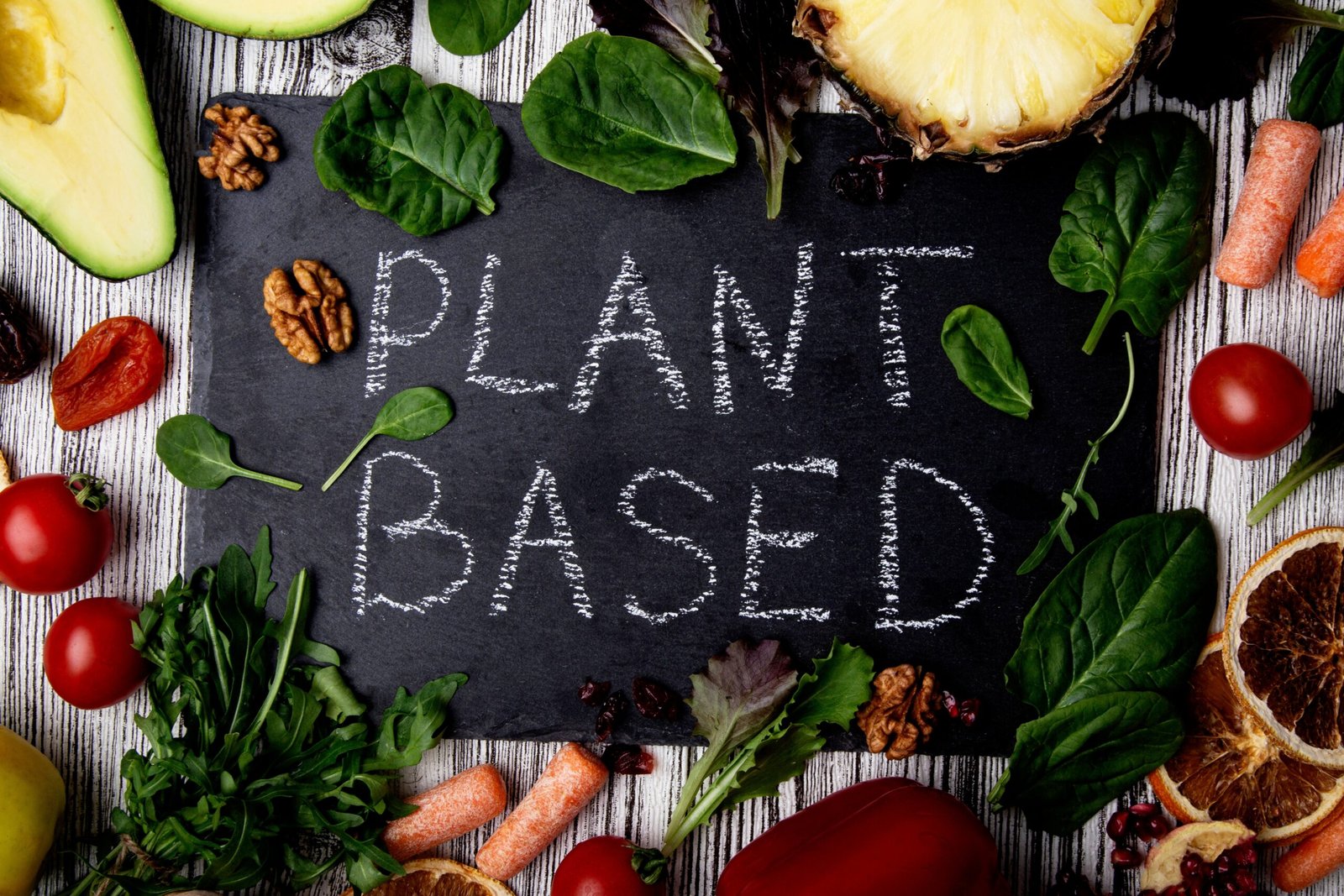
The long-term implications stretch beyond individual kitchens. If Choi’s strategies continue to catch on, they could help shift American food culture toward plant-based and flexitarian diets—without sacrificing the joy of eating. Culinary educators and public health experts are already citing Choi’s work as a pragmatic model for overcoming the biggest barriers to vegetable consumption: time, flavor, and convenience. By treating vegetables as worthy of restaurant-quality prep and seasoning, Choi empowers home cooks and pushes the food industry to rethink how it markets produce. The message resonates: health and pleasure are not mutually exclusive, and sometimes, the secret ingredient is the one you’ve been warned against.
Sources:
LAist: Culinary Tricks to Eat More Vegetables, Chef Roy Choi
Podwise: Chef Roy Choi Interview
Good Morning America: Roy Choi of Cooking Cookbook Recipes
Focus Galaxy: Chef Roy Choi’s Top 3 Culinary Secrets for Boosting Vegetable Consumption
KCRW: Good Food, Roy Choi of Cooking Cookbook
WEKU: Chef Roy Choi Dedicates New Book to Vegetables