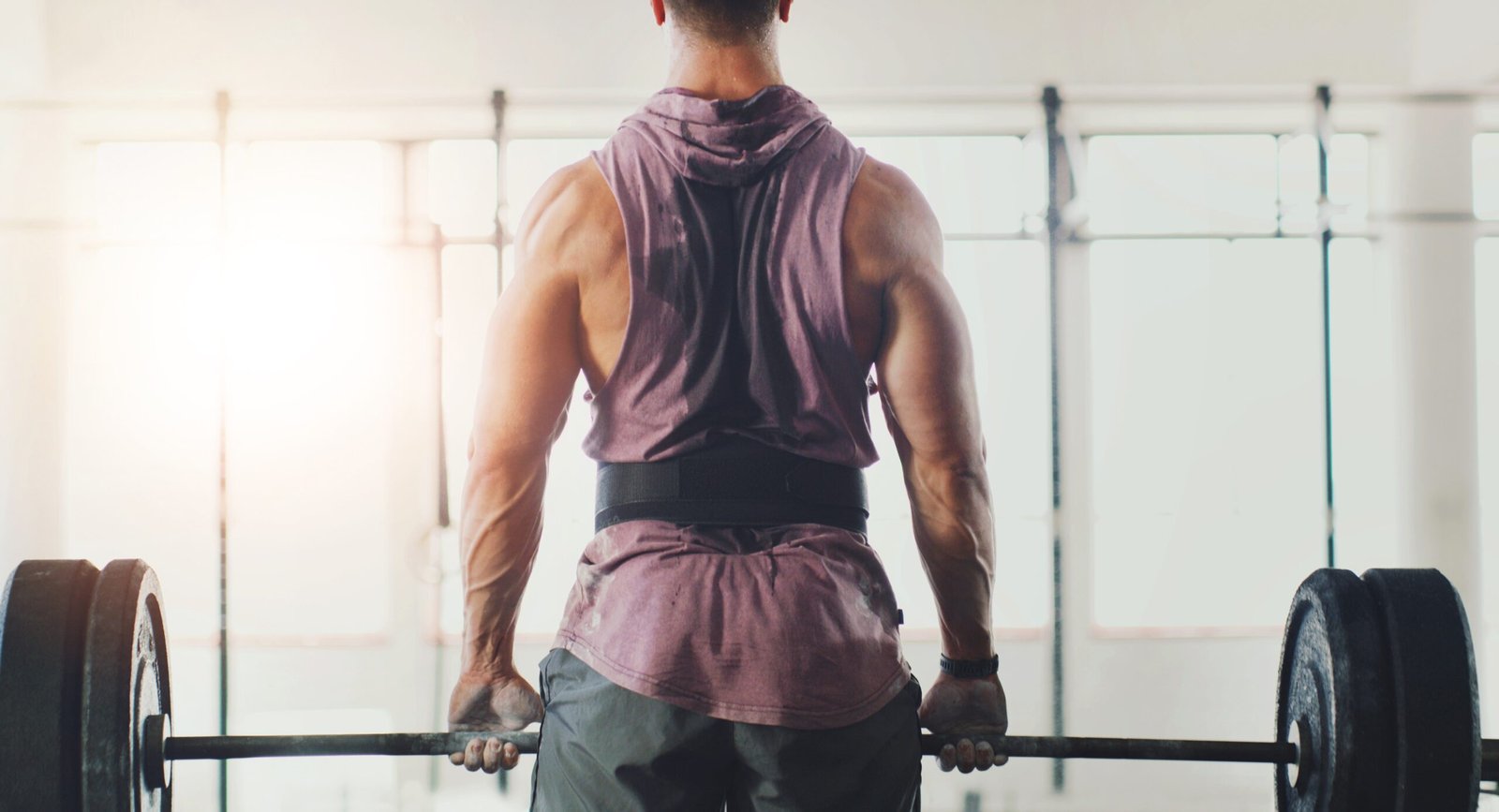
Most men wildly underestimate both the science and the stakes behind how much they should be able to deadlift—and the answer is far more revealing about health, masculinity, and ambition than most realize.
Story Snapshot
- Deadlift standards for men have evolved for decades, shaped by science, sport, and shifting social norms.
- Most experts agree recreationally trained men should aim for a deadlift of 1.5x bodyweight, with 2x marking advanced territory.
- Body composition, limb proportions, and training experience all dramatically influence what’s “normal.”
- Standards aren’t just numbers—they’re benchmarks driving industry, culture, and personal transformation.
The Deadlift’s Journey from Oddity to Standard
Strongman lore and early 20th-century competitions first brought the deadlift into the limelight, but it was the rise of formal powerlifting in the 1970s that transformed it into a rigorously measured feat. Federations like the International Powerlifting Federation created weight classes and official rules, making the deadlift a universal test of strength. Deadlift standards emerged not from opinion, but from the need to compare lifters fairly across diverse body types and backgrounds.
The proliferation of online calculators and fitness media in the 2000s democratized access to benchmarks, letting everyday gym-goers set ambitious, yet realistic, goals. Today, deadlift standards serve as both a personal challenge and a social yardstick, with formulas like the Wilks score calculating relative strength and fueling debates on fairness, especially for heavier men.
Science Behind the Standards: What Determines “Strong”
Research consistently shows that deadlift strength is not just about effort—it’s a direct reflection of lean body mass, skeletal proportions, and training history. Peer-reviewed studies find that limb length and torso ratios can give some men a mechanical advantage, while others face an uphill battle despite equal effort. These findings underpin why a one-size-fits-all standard is impossible, and why the best guidelines are grounded in bodyweight multiples and tiered experience levels.
For recreational men, hitting a deadlift of 1.5 times your bodyweight signals solid strength; reaching twice your bodyweight marks an advanced achievement. However, these numbers shift with age, body composition, and experience. Competitive lifters, whose physiques and training routines are tailored for maximal lifts, routinely exceed these standards, sometimes dramatically so. The science supports individualized standards but also recognizes the motivational power of clear, universal benchmarks.
Stakeholders and the Ripple Effect of Deadlift Standards
Powerlifting federations, fitness media, coaches, researchers, and millions of recreational lifters all have skin in the game. Federations set the rules, researchers validate the predictors, and coaches translate benchmarks into training plans. Fitness outlets like Men’s Health and BarBend shape public perception, publishing tiered charts that help both beginners and veterans gauge their progress. Recreational lifters, motivated by these standards, drive demand for coaching, equipment, and gym memberships, fueling a multi-billion dollar industry.
Socially, deadlift standards are woven into narratives around masculinity, health, and self-improvement. They influence how men view themselves and others, often becoming a source of motivation—or, for some, frustration. The ripple effects extend to gym culture, marketing, and even debates about inclusivity in sports, though the direct political impact remains limited. The economic stakes, however, are substantial, with strength benchmarks guiding product development and fitness programming nationally.
Current Debates and the Future of Deadlift Standards
Recent years have seen ongoing refinement of deadlift standards, with experts and federations updating formulas to better account for body composition and anthropometry. The Wilks formula, long used to compare lifters across weight classes, faces criticism for its shortcomings with heavier men, prompting calls for new scoring systems. Fitness media continually update online calculators to reflect the latest research, while academic studies dig deeper into the relationships between lean mass, limb length, and performance.
The consensus remains: most consistently trained men should target a deadlift of at least 1.5x bodyweight, with 2x as an advanced goal. Yet, experts urge caution against rigid standards, advocating for individualized benchmarks that recognize diversity in age, structure, and experience. Clear standards empower goal-setting and support safe progression—but as research advances, expect benchmarks to become even more nuanced and inclusive, reflecting the complexity beneath a deceptively simple lift.
Sources:
Men’s Health: Deadlift Weight Standards
PMC: Deadlift Strength and Predictors
PMC: Deadlift Standardization and Formulas
BarBend: Deadlift Standards