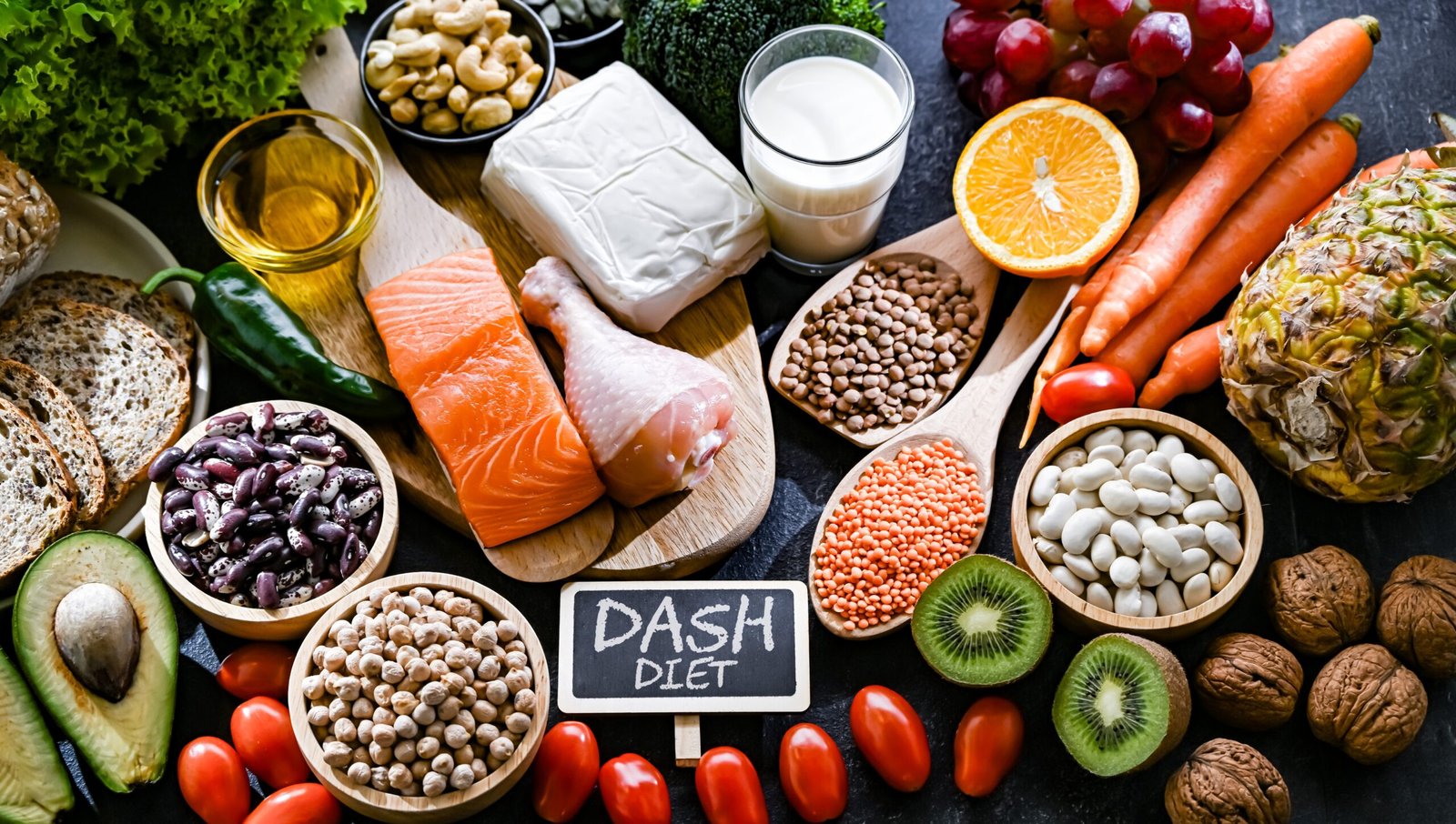

You can eat with freedom, feel truly satisfied, and still be healthy—if you dare to trust your body over diet rules.
Story Snapshot
- Non-restrictive eating, especially intuitive and mindful eating, is now scientifically validated for improving meal satisfaction and psychological well-being.
- These approaches prioritize internal hunger and fullness cues over calorie counting or food restriction.
- Recent clinical studies confirm long-term benefits for mental health and eating behaviors, though weight loss may be less dramatic than with traditional diets.
- Healthcare providers and public health advocates are shifting away from diet culture, embracing weight-neutral, compassionate eating strategies.
Why Diet Rules Fail—And What Comes Next
The 20th-century diet craze left millions stuck on a pendulum: restrict, binge, repeat. By the 1990s, a backlash was brewing among dietitians and researchers who saw the fallout—weight cycling, shame, and the relentless feeling of dissatisfaction after meals. Evelyn Tribole and Elyse Resch’s breakthrough concept of intuitive eating in 1995 flipped the paradigm: what if you could eat by tuning in, not tuning out? What began as a radical idea is now a mainstream clinical tool, supported by a wave of randomized trials and meta-analyses showing that satisfaction and well-being—not deprivation—may be the real keys to lasting health.
While restrictive dieting can deliver short-term weight loss, the cost is high. Studies consistently reveal that restriction breeds obsession and guilt, often leading to disordered eating and rapid weight regain. By contrast, non-restrictive approaches like intuitive eating and mindful eating teach people to respect hunger and fullness signals, fostering a sense of permission rather than punishment. This isn’t license for chaos; it’s a science-backed blueprint for escaping the diet cycle and reclaiming pleasure at the table.
The Science Behind Satisfaction and Well-Being
Recent systematic reviews and randomized controlled trials have upended the old narrative that willpower and food rules are the only path to health. Evidence from 2022 to 2024 shows that intuitive and mindful eating improve psychological well-being, body satisfaction, and eating behaviors—even if the scale doesn’t drop as quickly as with restrictive diets. Non-restrictive eaters report less guilt after meals and a diminished urge to binge, with benefits that extend months and even years after interventions end.
Some critics argue that relying solely on internal cues could mean poorer diet quality if nutrition education is lacking. Still, the strongest studies suggest that combining non-restrictive eating with basic nutrition guidance and physical activity delivers the best results. The Health at Every Size® movement, a weight-neutral framework now cited in clinical guidelines, underscores this shift: health is more than a number, and sustainable change comes from self-care, not self-denial.
Who Wins—and Who Resists—When Diets Lose Their Grip
Dietitians, psychologists, and public health leaders are at the forefront of this revolution, pushing back against the $70-billion diet industry’s one-size-fits-all prescriptions. Patients with a history of yo-yo dieting or disordered eating stand to gain the most, finally finding relief from guilt and the constant search for the “right” diet. Yet, not everyone is convinced. The debate rages over whether non-restrictive eating can deliver both psychological and physical health—especially sustained weight loss—at scale.
Healthcare systems are now integrating intuitive and mindful eating into obesity management and eating disorder prevention programs. Insurance payers and wellness companies are taking note, sensing a shift in consumer demand for holistic, sustainable approaches. Critics warn that unconditional permission to eat could backfire without basic nutrition skills, but advocates point to mounting evidence: long-term satisfaction, reduced disordered eating, and improved mental health are within reach for those who ditch the diet mentality.
Where the Evidence Leads: The Future of Eating Satisfaction
The most robust evidence comes from recent peer-reviewed systematic reviews and randomized trials, which consistently show that non-restrictive approaches outperform restrictive diets in psychological outcomes—even if weight loss is slower or less dramatic. The key insight: for many, the tradeoff is worth it. People are tired of guilt, tired of counting, and ready to enjoy food again. As more healthcare providers receive training in these methods, the era of “no pain, no gain” at the dinner table may finally be ending.
For readers who have lived through every diet trend and still leave the table unsatisfied, the new science offers an invitation: trust your body, honor your hunger, and rediscover the pleasure of eating. Satisfaction, it turns out, is not just a feeling—it’s a strategy backed by science, poised to reshape how we eat, feel, and live.
Sources:
Systematic review of non-restrictive approaches