
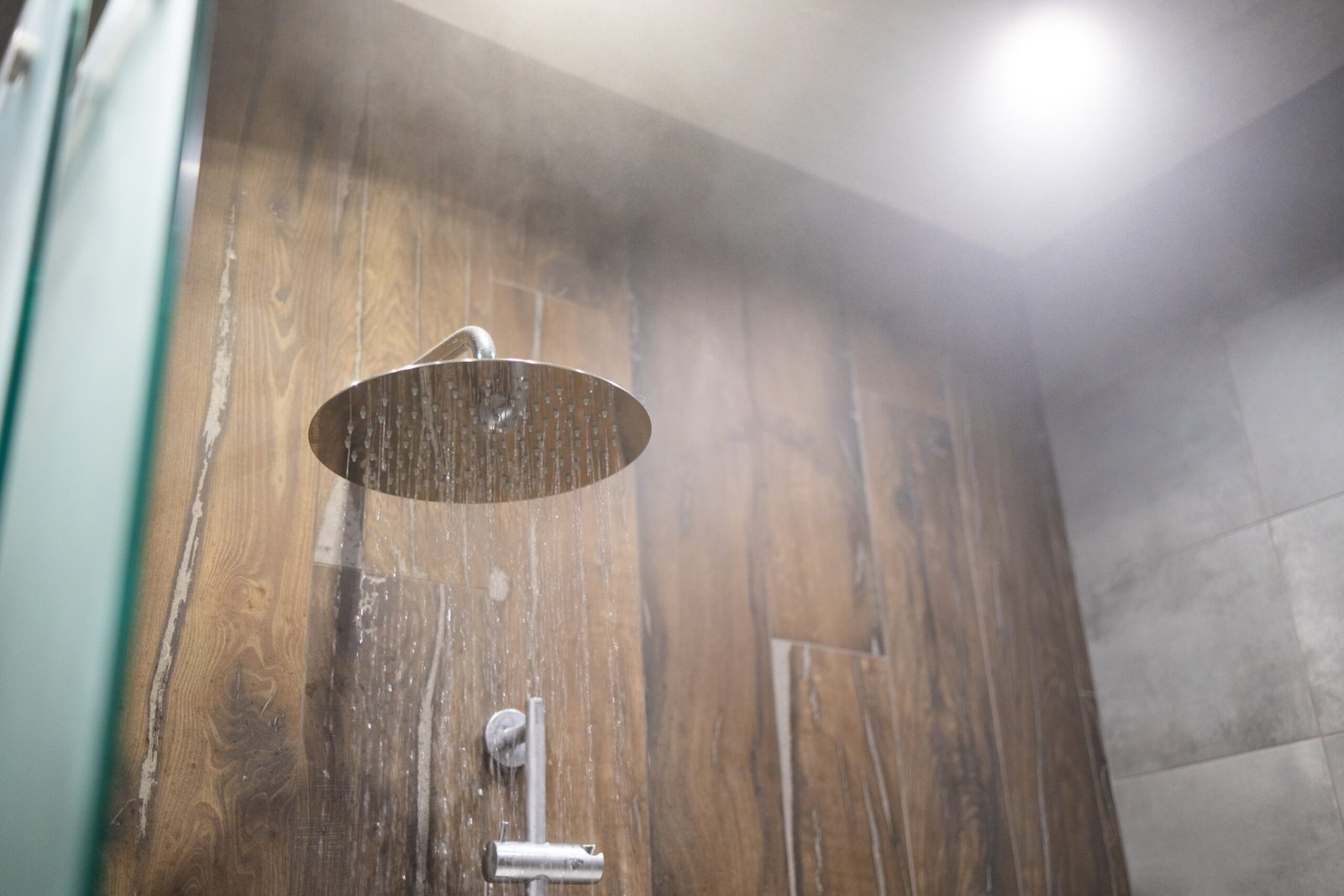
Hot showers may feel like a daily indulgence, but behind the steam lurks a skin saboteur that could be quietly dismantling your skin’s most vital defense—your barrier.
Story Highlights
- Daily habits, such as hot showers, can significantly damage the skin barrier, increasing sensitivity and risk of flare-ups.
- The skin barrier is critical for protecting against irritants, allergens, and water loss, especially for those with eczema or atopic dermatitis.
- Simple adjustments in skincare routines can dramatically improve skin health and resilience over time.
- Understanding and respecting the skin barrier is foundational for anyone seeking lasting skin health, not just cosmetic results.
Hot Showers: The Unexpected Enemy of Your Skin Defense
Every morning, millions turn the tap as hot as they dare, wrapping themselves in a cloud of steam. That blast of heat may feel therapeutic, but it strips away much more than yesterday’s worries. Dermatology research and clinical observations have shown that frequent exposure to hot water dissolves natural lipids, the very oils forming the skin’s protective barrier. This barrier is not simply cosmetic—it holds in moisture, wards off allergens, and keeps environmental irritants at bay. Without it, the skin is prone to dryness, redness, and the kind of persistent itch that can drive you to distraction. For those with sensitive skin or conditions like atopic dermatitis, the consequences are even more dramatic: repeated barrier breakdown leads to flare-ups, infections, and a cycle of skin vulnerability that no amount of expensive cream can fully reverse.
Basic hygiene habits, often passed down through families, rarely consider the science of the skin barrier. Yet, the evidence is clear. Dermatologists consistently counsel patients away from prolonged hot showers and recommend lukewarm water instead. The difference may sound trivial, but it is fundamental, especially for those already prone to eczema or atopic dermatitis. Even a few degrees less on the thermostat can preserve the integrity of the stratum corneum—the outermost layer of the skin. This layer acts as a brick wall, with skin cells as bricks and natural oils as mortar. Strip away the mortar, and the wall crumbles, exposing everything within to outside assault. The cycle of irritation and repair becomes exhausting, both for the skin and for the person trying to manage it.
Skin Barrier: The Unsung Guardian Against Modern Life
The skin barrier is often overlooked until something goes wrong—until itching, flaking, or stinging demand attention. But this barrier is a marvel of biology, evolved to combat a barrage of daily assaults. Environmental pollutants, harsh soaps, aggressive exfoliants, and—yes—hot water all conspire to erode its strength. For those living with chronic skin conditions like atopic dermatitis, this erosion is more than cosmetic; it is a trigger for immune reactions that spiral into visible symptoms. The result is not just dryness but a compromised immune defense, allowing microbes and allergens to penetrate deeper and provoke inflammation.
Modern routines, with their emphasis on cleanliness, can paradoxically undermine this critical line of defense. Over-cleansing strips away the very oils that are meant to shield us. Dermatologists urge a return to gentle, fragrance-free cleansers and the immediate application of emollients—rich, bland moisturizers that restore lost lipids. Layering these habits, especially after every shower or hand wash, is the most effective way to rebuild and maintain the barrier. For those dealing with atopic dermatitis, these measures can mean the difference between constant flare-ups and manageable symptoms.
Adjusting Habits for Lifelong Skin Resilience
Reevaluating your daily rituals becomes essential for anyone who wants lasting skin health, not just fleeting cosmetic improvements. The science is unambiguous: preserve your skin’s natural oils, minimize exposure to heat and harsh chemicals, and prioritize barrier-supportive products. For the 40+ reader, whose skin naturally loses resilience with age, these shifts are even more vital. The skin’s ability to produce and retain its natural oils diminishes over time, making it all the more susceptible to damage from routine behaviors that went unnoticed in youth. A lukewarm shower, followed by a generous layer of bland moisturizer, is not a deprivation—it’s an investment in future skin comfort and health.
https://www.webmd.com/skin-problems-and-treatments/eczema/video/atopic-derm-define-diagnosis
These adjustments may seem modest, almost underwhelming compared to the promises of miracle serums or high-tech devices. Yet, the data and clinical experience are unequivocal: consistent, barrier-supportive routines offer the most reliable path to resilient, comfortable skin. For those with a history of eczema, atopic dermatitis, or simply persistent dryness, these strategies transform the experience of daily life, reducing the risk of irritating flare-ups and restoring control over one’s own skin health. The skin barrier, though silent and invisible, is the true hero in the story of lasting dermatological well-being.
Sources: