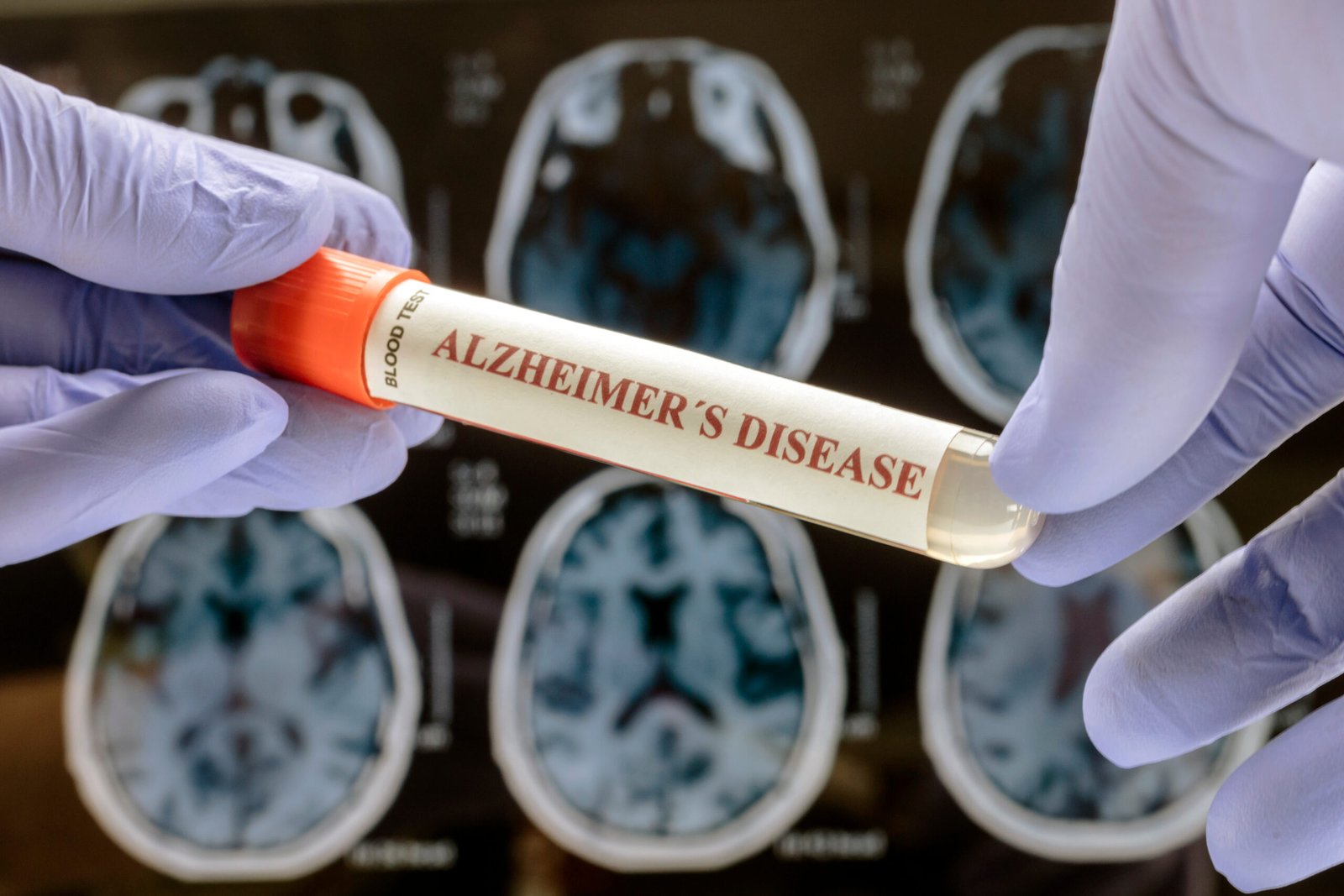

Parkinson’s patients without dementia are silently carrying early warning signs of Alzheimer’s in their brains—before a single symptom appears, the disease is already at their doorstep.
Story Snapshot
Hidden Alzheimer’s pathology is now found in Parkinson’s patients who have not developed dementia.
Current diagnostic methods routinely miss these early, silent changes in the brain.
Experts are calling for urgent updates to clinical trial designs and care strategies.
Early detection could transform the future for millions at risk of both diseases.
The Overlap No One Saw Coming: Alzheimer’s in Parkinson’s Before Dementia
Until recently, Parkinson’s and Alzheimer’s were considered separate worlds: one about tremors and stumbles, the other about fading memories. But autopsy tables and high-powered microscopes have flipped the narrative. In many Parkinson’s patients, even those with sharp minds, the brain quietly accumulates the plaques and tangles that signify Alzheimer’s. These findings, published in 2024 after two decades of escalating curiosity and mounting evidence, reveal that the silent advance of Alzheimer’s pathology is far more common in Parkinson’s than previously believed. Doctors and researchers are now forced to rethink what it means to “not have dementia” in Parkinson’s, and whether overlooking these hidden signs is costing patients precious time and opportunity.
Standard clinical exams and cognitive tests have, until now, offered little warning. The very tools trusted by clinicians to catch dementia miss the earliest molecular signs. This diagnostic blind spot means patients may be carrying the seeds of Alzheimer’s for years—even decades—before any memory lapses or confusion. The implications are staggering: the line between Parkinson’s and Alzheimer’s is blurring, and the real enemy might already be inside the gates.
Behind the Scenes: How the Warning Signs Were Uncovered
The story begins in the early 2000s as neurologists started noticing that some Parkinson’s patients declined rapidly, while others remained cognitively stable. Autopsy studies from the 2010s provided the first clues: many brains diagnosed with Parkinson’s revealed the telltale amyloid plaques and tau tangles of Alzheimer’s—even in patients who had never shown dementia. The Arizona Study of Aging and Neurodegenerative Disorders and the Parkinson’s Progression Markers Initiative, both large-scale, longitudinal research projects, systematically tracked these hidden pathologies in the aging brain. By 2024, researchers had amassed enough data to prove that Alzheimer’s warning signs are quietly accumulating in a significant portion of Parkinson’s patients before any cognitive symptoms emerge.
Machine learning algorithms are now being trained on these datasets, searching for combinations of imaging data, blood markers, and genetic clues that might predict who will develop dementia and who will escape it. The challenge is urgent: if clinicians can identify at-risk individuals before symptoms appear, they could intervene earlier, reshaping the course of both diseases.
Why This Changes Everything for Patients, Caregivers, and the Industry
This discovery doesn’t just rewrite medical textbooks; it upends the entire approach to Parkinson’s care and research. For patients and families, it means the enemy is not just the visible tremor or the slow shuffle, but an invisible threat that could one day erode memory and independence. For doctors, it demands a shift from reactive to proactive care, with new emphasis on biomarker testing, longitudinal monitoring, and personalized risk assessments. For the pharmaceutical industry, the stakes are enormous: clinical trials that don’t account for hidden Alzheimer’s pathology risk failing, as drugs targeting one disease may be confounded by the silent presence of another. There is now a push to rethink trial design, stratifying patients based not just on visible symptoms but on what’s happening beneath the surface.
Healthcare costs are set to rise as more comprehensive (and expensive) diagnostic workups become the standard. Yet, the promise of earlier intervention—possibly even delaying or preventing dementia—offers hope that long-term care needs and costs could ultimately fall. Advocacy groups are already pressuring policymakers and research funders to prioritize the development of sensitive in vivo diagnostics, and to broaden the definition of at-risk populations.
Expert Opinions and the Road Ahead: Nuance, Uncertainty, and Urgency
Top neurologists and neuroscientists caution that not every Parkinson’s patient with Alzheimer’s pathology will develop dementia—disease progression remains a complex, individual journey. Yet, the consensus is clear: mixed pathologies are common, not rare, in aging brains. As one expert put it, “Comorbidities may interfere with the evaluation of Parkinson’s clinical trials as they may not respond to alpha-synuclein-targeted molecular therapeutics.” The demand for new, more sensitive diagnostic tools is reaching a fever pitch. Longitudinal studies are underway to track how these hidden changes evolve and to test whether early interventions can alter the trajectory of disease.
The story is still unfolding. Will new screening tools enable doctors to catch Alzheimer’s in Parkinson’s patients before it robs them of memory? Will clinical trials finally account for the complex reality of overlapping brain pathologies? The answers will shape the next decade of neurodegenerative disease care—and may change the futures of millions waiting in the shadows of both diseases.
Sources:
Arizona Study of Aging and Neurodegenerative Disorders