That sip of matcha might be doing a number on your bloodwork.
Story Snapshot
- Matcha, a trendy drink made from green tea leaves, may affect iron absorption in the body.
- The beverage is popular for its calming effects and health benefits but can lead to iron deficiency if consumed improperly.
- Iron is essential for transporting oxygen in the blood and supporting brain and hormonal functions.
- Experts suggest consuming matcha between meals and pairing it with vitamin C-rich foods to minimize its impact on iron levels.
The Rise of Matcha
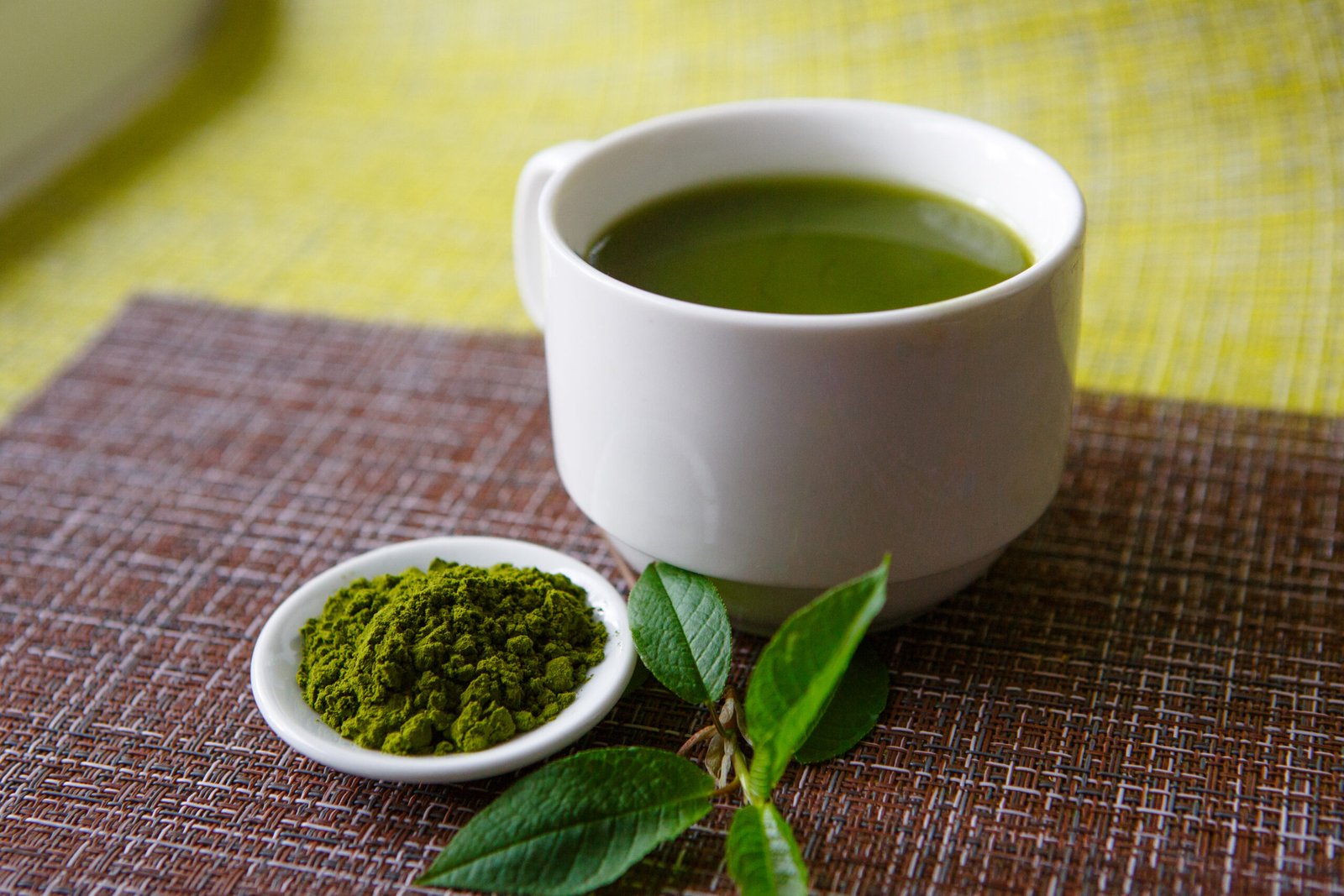
Matcha, a vibrant green tea powder, has become a staple in wellness circles, celebrated for its calming effects and rich antioxidant content. This traditional Japanese beverage delivers an energy boost without the jitteriness associated with coffee, thanks to its unique combination of caffeine and l-theanine. As demand for matcha skyrockets, it has sparked a global shortage, turning it into a must-have morning ritual for many seeking a healthier alternative to coffee.
Despite its popularity, matcha’s effect on iron absorption is raising eyebrows. Nutritionists warn that the tannins in matcha can bind to non-heme iron, the type found in plant foods, hindering the body’s ability to absorb this crucial mineral. Given iron’s role in carrying oxygen through the bloodstream and supporting overall cell function, a deficiency can lead to significant health issues, including anemia.
The Iron Dilemma
Iron deficiency is a pressing concern, affecting millions in the United States alone. Symptoms, such as fatigue, dizziness, and pale skin, often go unnoticed until they become severe. For those who regularly consume matcha, understanding how it interacts with iron is critical. Experts suggest that timing is everything—drinking matcha with meals can exacerbate its inhibitory effect on iron absorption, while consuming it between meals can mitigate this impact.
Pairing meals with vitamin C-rich foods like bell peppers or citrus fruits can also enhance iron absorption, offering a simple strategy to maintain healthy iron levels while enjoying matcha.
Moderation and Smart Consumption
Moderation is key to enjoying matcha without compromising your health. A daily cup is generally safe, even for those mindful of their iron intake. However, excessive consumption, particularly around meal times, should be avoided. By spacing out matcha intake and incorporating vitamin C-rich foods into your diet, you can continue to enjoy this trendy beverage without the risk of iron deficiency.
As matcha continues to capture the imagination of health enthusiasts, understanding its impact on iron absorption ensures that its benefits can be enjoyed without unintended consequences. With a few mindful adjustments, you can indulge in matcha’s unique flavor and health perks while keeping your iron levels in check.
Sources: