Bread isn’t the enemy of weight loss—thinly-sliced whole-wheat bread might just be your secret weapon if you want to drop pounds without giving up the food you crave.
Story Highlights
- Thinly-sliced whole-wheat bread delivers more fiber and fewer calories per serving, making it ideal for weight loss.
- Fiber and protein in whole-wheat bread keep you full and help preserve muscle mass as you lose weight.
- Choosing thinner slices lets you enjoy sandwiches and toast while staying within your calorie goals.
- Long-term weight control means focusing on a balanced diet, not cutting out bread entirely.
Why the “Bread is Bad” Myth Persists
Bread’s reputation as a diet-derailer comes from decades of carb-phobia, calorie counting, and confusion about what really causes weight gain. Dietitians argue that the real culprit behind gaining weight is a consistent excess of calories—not the bread itself. Samantha DeVito, a registered dietitian, says that “Bread doesn’t have to be off limits because weight loss is about overall calorie balance, not one single food.” The bread you choose can make all the difference. Thinly-sliced, 100% whole-wheat bread stands out as a dietitian favorite, offering a practical, science-backed solution for those who want to keep bread in their lives without blowing their calorie budget.
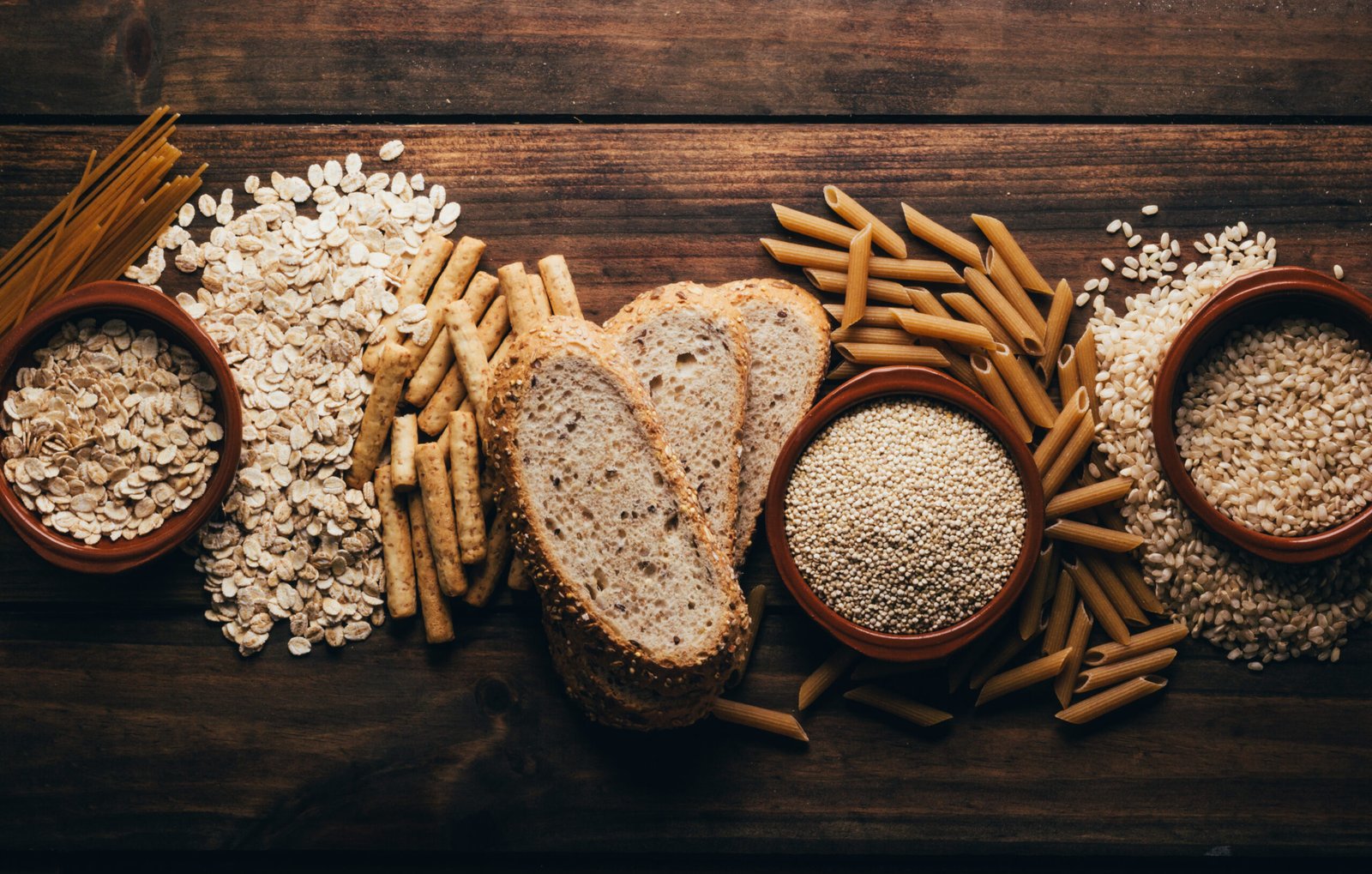
Fiber is the not-so-secret ingredient that gives whole-wheat bread its staying power. Most Americans—over 90 percent—don’t eat enough fiber, even though hitting the recommended 25 grams per day for women and 38 grams for men can make a dramatic difference in appetite and satiety. Whole-grain bread, which retains the bran, germ, and endosperm of the grain, has more fiber than refined bread and delivers a satisfying chew. Dietitian Macy Diulus says, “That fiber helps us feel fuller and signals to our brain that we are satiated.” Research backs her up: in studies, people who ate whole grains lost more weight over eight weeks than those who ate refined grains, even with similar calorie intakes. Fiber’s ability to slow digestion and prolong fullness means you’re less likely to overeat later, supporting steady, sustainable weight loss.
How Thin Slices Cut Calories—Without Sacrificing Satisfaction
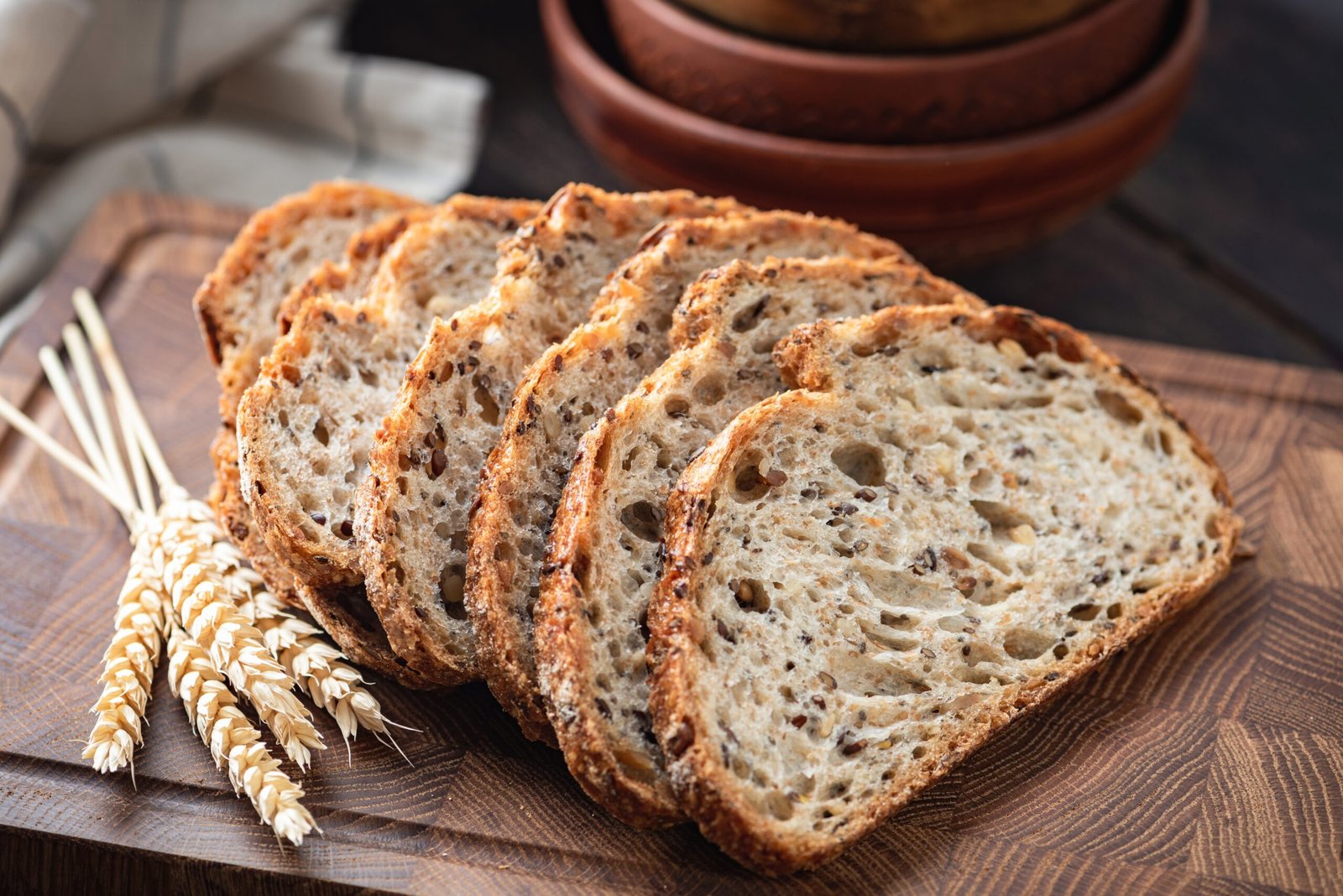
Calorie control remains the foundation of every effective weight loss plan, and thinly-sliced bread helps you do precisely that. Standard bread slices can pack 120 to 140 calories each; opt for the thinly-sliced version and you’ll cut that to 60 or 70 calories per slice. That’s a 100-calorie savings per sandwich—without feeling deprived or missing the familiar taste and texture of bread. The thinner slices provide the psychological and culinary satisfaction of a “real” sandwich or piece of toast, making it easier to stick to your meal plan for the long term. Diulus emphasizes the importance of reading nutrition labels and understanding serving sizes, as not all “whole wheat” breads are created equal. Choose brands that list whole grains first and deliver at least 4 to 6 grams of fiber in two slices for maximum benefit.
Protein is another ally in the bread lover’s arsenal. While bread isn’t a protein powerhouse, whole-wheat varieties offer more protein than white bread, giving you about six grams per two slices—roughly the same as a large egg. Registered dietitian Jaime Bachtell-Shelbert points out that “choosing a bread with a higher protein content is a bonus for weight loss.” Protein increases satiety, helps maintain lean muscle during weight loss, and boosts metabolism. Pairing your bread with toppings like nut butter, eggs, or tuna salad can further increase the meal’s protein punch, keeping hunger at bay and energy levels steady throughout the day.
Beyond Bread: The Big Picture for Sustainable Weight Loss
Focusing exclusively on bread misses the broader picture of what drives lasting weight loss. Experts urge attention to overall eating patterns, sleep, stress management, and gradual lifestyle changes. Bachtell-Shelbert warns that “getting less than the recommended 7 to 9 hours per night is a risk factor for obesity.” Macy Diulus encourages tracking more than just the number on the scale—consider sleep quality, energy, and lab values for a holistic look at your health. Start small: add Greek yogurt to breakfast, beans to a salad, or eggs to toast for incremental improvements that add up over time. The message is clear—there’s room for bread in a healthy, balanced diet, especially if you make smart choices about type and portion size.
Dietitians agree: thinly-sliced whole-wheat bread earns its place at the table for anyone pursuing weight loss. It’s rich in fiber and protein, low in calories, and—crucially—satisfies the cravings that can derail stricter diets. Rather than banning bread, focus on moderation and mindful selection. Eliminating your favorite foods rarely works long-term and often leads to rebound eating. As Diulus puts it, “Bread provides carbohydrates, which are a necessary macronutrient for our energy and metabolism. Instead of totally avoiding bread (which usually backfires and leads to wanting it more), try choosing whole-grain breads with a higher fiber content.” Sustainable weight loss is about more than one slice; it’s about building habits that last.
Sources:
Healthy Breads You Should Be Eating, According to a Dietitian