
Could a common vitamin deficiency be a hidden factor in the global breast cancer epidemic?
Story Snapshot
- Breast cancer is now the most common cancer globally, with significant disparities in incidence and mortality.
- 96% of women with breast cancer are reportedly deficient in a key vitamin.
- The World Health Organization projects a sharp rise in breast cancer cases by 2050.
- Equitable access to prevention, diagnosis, and treatment remains a critical challenge worldwide.
Global Breast Cancer Trends
Breast cancer has surged to become the most commonly diagnosed cancer worldwide, affecting 2.3 million people and causing 670,000 deaths in 2022 alone. This trend is set to continue, with projections indicating 3.2 million new cases and 1.1 million deaths annually by 2050. The disparity is stark between high- and low-Human Development Index (HDI) countries, where access to early detection and treatment significantly influences outcomes.
While countries with advanced healthcare systems have seen improvements in survival rates, thanks to early detection and advanced treatments, low-HDI countries continue to lag. These regions face the steepest increases in both incidence and mortality rates, highlighting a critical need for international cooperation and investment in healthcare infrastructure.
Vitamin Deficiency and Breast Cancer
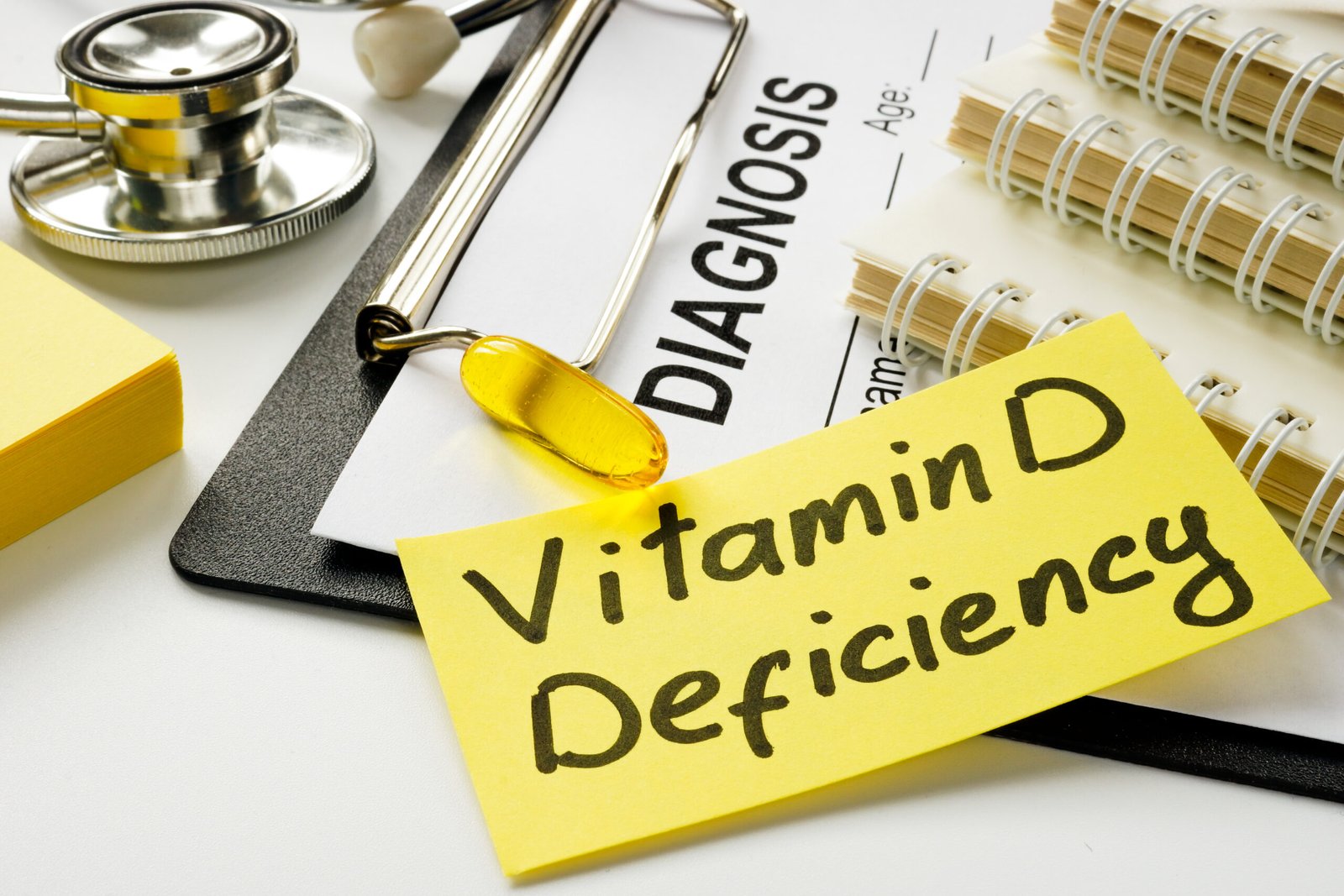
Amid this global crisis, a potentially crucial factor is garnering attention: vitamin D deficiency. Studies have revealed that 96% of women diagnosed with breast cancer have insufficient vitamin D levels. This deficiency could play a significant role in breast cancer’s development and progression, making it an area ripe for further research and public health intervention.
Vitamin D is vital for bone health and immune function, but its role in cancer prevention is becoming increasingly clear. Low levels of this vitamin are associated with higher cancer risk, prompting experts to advocate for increased awareness and proactive measures to address this deficiency, particularly in at-risk populations.
Bridging the Inequity Gap
Addressing the inequity in breast cancer outcomes requires a multi-faceted approach. This includes enhancing access to vitamin D through dietary supplements and fortified foods, especially in regions where deficiency is prevalent. Furthermore, improving healthcare access and infrastructure in LMICs is paramount to ensuring early detection and effective treatment for all women.
Organizations like the WHO and IARC are pushing for strategic global investments in healthcare, emphasizing the need for primary prevention and equitable access to resources. These efforts aim to reduce the mortality rate by 2.5% per year, a challenging but critical target to meet in the fight against breast cancer.
The Role of Advocacy and Collaboration
The path forward involves coordinated international action and collaboration across sectors. Non-Governmental Organizations (NGOs), healthcare providers, and governments must work together to promote research, advocate for policy changes, and support patient access to care. Such collaboration is essential to bridge the gap between scientific advances and practical implementation in diverse healthcare settings.
Education and awareness campaigns play a crucial role in this endeavor, empowering women to take charge of their health and seek regular screenings. By fostering a global understanding of breast cancer risks and prevention strategies, we can work towards a future where disparities in cancer care are minimized, and every woman has the opportunity for a healthy life.
Sources:
IARC/WHO Global Cancer Observatory and Nature Medicine (2025)