

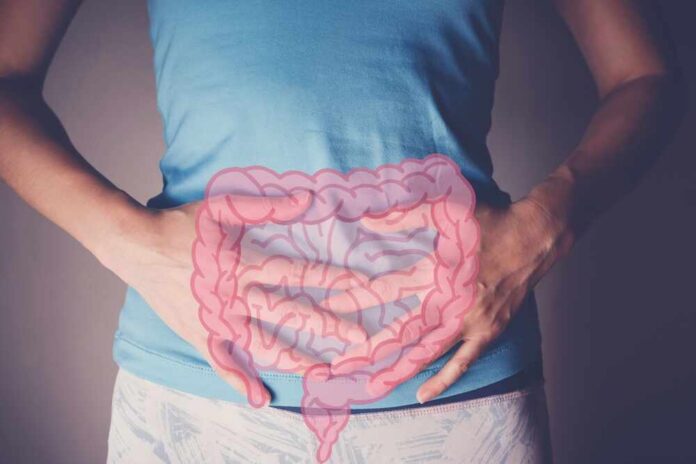
Dietary fiber emerges as the overlooked hero banishing everyday bloating, restoring that flat, comfortable you in weeks without drugs or fads.
Story Snapshot
- Fiber “fibermaxxing” tops 2026 gut health trends, feeding microbes to cut gas and discomfort fast.
- ADM’s ES1 postbiotic slashes bloating in trials; Nottingham study pairs kefir with fiber for gut transformation.
- Ongoing Bloat supplement trial targets healthy women, measuring gas reduction over 56 days.
- 46% of consumers prioritize bloating relief amid GLP-1 drugs; simple fixes beat chronic issues.
- Low fiber intake fuels global health woes—ramp it up for quick resets and long-term vitality.
Fiber Fuels Gut Microbes and Ends Bloating
Low-fiber diets trap most people in bloating cycles, as gas builds from starving gut bacteria. Soluble fiber absorbs water for satiety; insoluble adds bulk for motility. University of Nottingham researchers tested kefir plus fiber over six weeks in March 2026. Participants saw microbiome shifts reducing bloating. This duo feeds beneficial bacteria, producing short-chain fatty acids that calm inflammation.
ADM Pioneers Postbiotics for Digestive Reset
ADM develops ES1, a Bifidobacterium longum strain, targeting IBS-related bloating. Their Gut Microbes trial showed significant reductions. Expert Katharina Humpert notes ES1 supports digestive health across gut-brain axes. BPL1 aids metabolism; L. gasseri CP2305 links gut to sleep. These biotics address 2026 demands where 70% seek more fiber.
Bloat Trial Tests Supplement Efficacy in Healthy Women
ClinicalTrials.gov lists NCT07370740, an ongoing study on Bloat supplement versus placebo. Researchers measure postprandial gas and bloating at 60 minutes through Day 56 using Likert and PROMIS scales. Trial excludes GI disorders, focusing on everyday users. Primary outcome tracks gas changes by Day 56. Sponsors prove efficacy for quick relief. This rigorous approach builds trust, though results vary individually—facts support targeted trials over hype.
GLP-1 Users Turn to Fiber Amid Side Effects
Weight-loss drugs like GLP-1 agonists spike bloating needs as users chase 50% weight goals. Fiber and biotics counter this, boosting adherence. Consumers report 46% digestion priorities, 58% sleep improvements via gut fixes. United Digestive recommends fiber plus movement for 2026 resolutions. MNGI warns against normalizing chronic symptoms—see pros if persistent. These align with self-reliance: empower daily habits before medical escalations.
Short-Term Relief Meets Long-Term Gains
Fiber delivers immediate motility boosts and comfort, aiding GLP-1 tolerance. Long-term, it cuts obesity, diabetes, and cancer risks by balancing microbiomes—potentially adding healthy years. Nutraceuticals boom with personalized biotics; food makers reformulate for “fibermaxxing.” Socially, open gut talks reduce stigma. Facts show preventive care rises, favoring accessible tools over dependency.
Sources:
ClinicalTrials.gov (NCT07370740)
ADM via NutritionInsight (Gut Health Trends 2026)
United Digestive: 5 Resolutions to Boost Your Gut Health in 2026
ScienceDaily: University of Nottingham Kefir-Fiber Study (March 2026)
MNGI Digestive Health: Gut Health New Year Start 2026
Chicago Tiempolibre: What Actually Works in 2026 for Quick Body Resets and Bloating Reduction