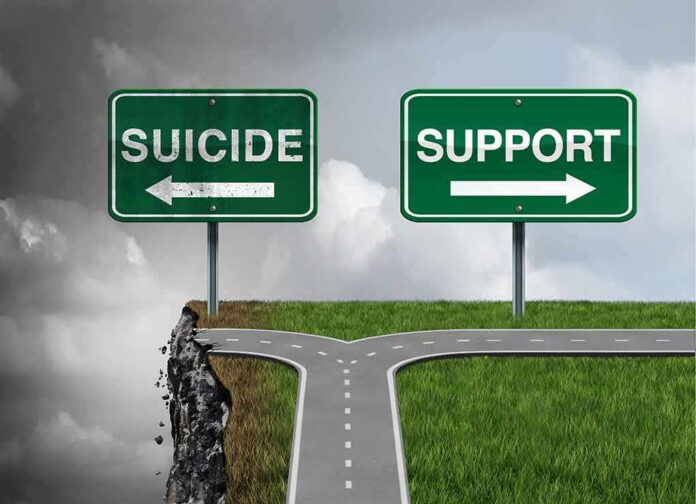
Four daily habits across physical, emotional, cognitive, and social health form a simple plan to build a stronger mind.
Story Snapshot
- A short video lays out four mental health pillars with plain, daily actions.
- Physical routines like exercise, sleep, and food choices support mood and focus.
- Emotional skills and mindset shape stress, resilience, and the story you tell yourself.
- Relationships and community act as guardrails when life gets rough.
The Four-Pillar Blueprint: What Was Shared
Talking With Docs released a video that frames mental health as four parts: physical, emotional, cognitive, and social well-being. The description lists examples for each and features two physicians with a psychiatrist guest sharing practical tips labeled as science-backed. The video highlights exercise, sleep, and nutrition for the physical pillar. It describes managing stress and expressing feelings for emotional health, and notes that thoughts and mindset shape experience. It points to connection and community for the social pillar.
The message is clear and direct: small daily choices across these four areas can raise your mental floor. The format is short and friendly, which helps reach viewers who want action, not jargon. The framing matches guidance from the National Institute of Mental Health, which encourages exercise, seven to nine hours of sleep, time with loved ones, and simple relaxation practices like breathing or meditation. The overlap strengthens trust that these basics are worth a daily slot.
Physical Habits: Beating Stress With Body Basics
The presenters call out three levers you control most days: move, sleep, and eat. A brisk walk can lift mood the same day. A regular bedtime helps memory, cuts stress, and steadies energy. Balanced meals keep your blood sugar smooth, which can calm jitters and dips. The National Institute of Mental Health notes that even thirty minutes of walking can boost mood, and that steady sleep is a cornerstone of mental health care at home.
None of this requires a gym, a tracker, or a diet brand. Put your shoes by the door at night. Step outside after breakfast. Aim for a simple plate at dinner with protein, fiber, and color. Protect a bedtime alarm like it is a meeting with your boss. These moves seem small, but they build a routine body clock. A steady body clock makes a steadier mind. Your future self cashes the check.
Emotional Skills: Name It, Tame It, Share It
The video places emotional health beside physical health, not beneath it. That matters. Unnamed stress leaks into sleep, appetite, and work. Naming a feeling cuts its power. Writing for five minutes can turn a knot into a plan. A short breathing drill slows your heart and your thoughts. When needed, a talk with a trusted person gives relief. The National Institute of Mental Health suggests basic steps like relaxation exercises and time with loved ones to ease strain.
Healthy expression does not mean oversharing. Pick one person who earns your trust. Set a timer for ten minutes. Share one hard thing and one next step. Keep it simple. If signals of a condition show up, like lasting low mood or panic, contact a primary care clinician or a mental health professional. The National Institute of Mental Health explains that treatment often pairs therapy and medication, and that help can start with your primary care office.
Cognitive Habits: Train the Story Your Brain Tells
The video frames thoughts, mindset, and perspective as daily training, not fixed traits. That framing tracks with common-sense tools. A one-minute reset can shift a spiral. Ask, what is the fact, what is my guess, what is a kinder guess that also fits the facts? Write the answer. That move does not deny reality; it widens it. Many health systems also teach short mindfulness drills to steady attention and reduce reactivity during the day.
You can anchor this to routine moments. Tie a thought check to pouring coffee. Tie a one-minute pause to opening your laptop. Tie a two-minute gratitude list to lights out. Do not aim for perfect. Aim for repeatable. Your brain prefers familiar routes. Train a better route each day, and the old ruts fade with time. When thoughts stay dark or rigid, that is a cue to seek an evaluation and real treatment support.
Social Habits: Connection Is a Lifeline, Not a Luxury
The video puts relationships and community into the core plan for a healthier mind. A weekly call, a standing walk with a neighbor, or a faith or hobby group adds purpose. People who know you can spot when you drift and pull you back. The National Institute of Mental Health lists time with loved ones among the most helpful daily supports. Simple contact pays off more than complex self-help alone.
Start tiny. Send one text by noon. Schedule one meet-up on Sunday for the week. Join one group where people show up often. If life has cut your ties, build from service. Helping others creates fast trust and shared stories. Strong communities also remind us that resilience is not only personal grit; it is shared duty. That view fits conservative values: family, faith, work, and neighbors have always been our first safety net.
What To Do Next, Starting Today
Pick one action in each pillar and keep it daily for two weeks. Walk after lunch. Lights out at the same time. Five slow breaths when stress spikes. A one-minute thought check at coffee. One call to a friend each afternoon. Track with a pen on your fridge. If symptoms persist or worsen, contact your primary care clinician for guidance and referrals. The four-pillar plan is smart self-care; medical conditions still deserve medical care.
Sources:
youtube.com, nimh.nih.gov, ummhealth.org