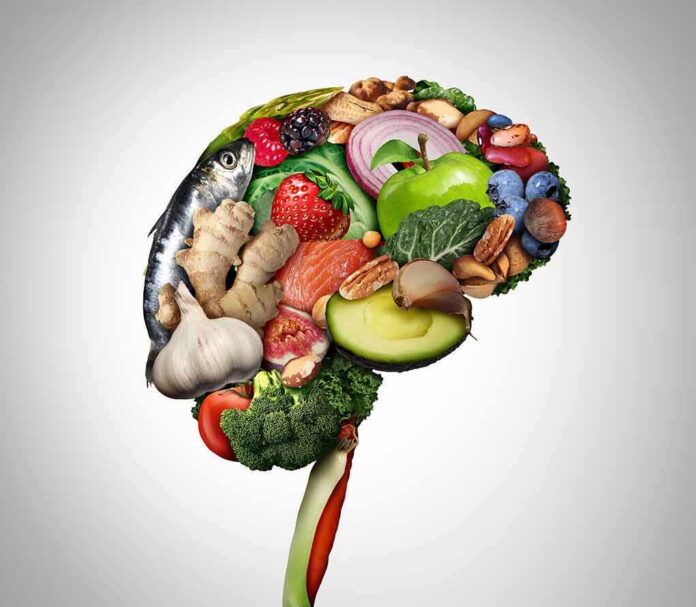
Your brain’s future may be built less by your genes and more by tomorrow’s choices.
Story Snapshot
- A CBS Chicago segment spotlighted lifestyle and metabolism as levers for brain health.
- Microglia, the brain’s immune cells, may help decide long-term brain resilience.
- Diet, exercise, and stress control were named as practical steps with impact.
- Midlife habits can shape brain outcomes in later decades, says the expert.
What CBS Chicago’s Expert Said, And Why It Matters
CBS Chicago aired a report featuring neurologist David Perlmutter explaining how metabolism and daily habits can change brain health over time. He told reporter Suzanne Le Mignot that microglia, the brain’s immune sentinels, play a “fundamental and pivotal role” in whether the brain stays healthy or becomes vulnerable. He also pointed to diet, exercise, and stress reduction as practical tools people can use now to tilt the odds toward long-term cognitive strength.
The segment drew a firm line between choices in midlife and outcomes in later years. Perlmutter argued that what people do in their 30s and 40s helps set the stage for brain destiny in their 60s, 70s, and 80s. That frame fits a broader shift in dementia coverage, which highlights midlife metabolic health and vascular risks as targets for risk reduction, rather than only treating problems after memory slips become obvious.
The Biology Link: Microglia, Metabolism, And A Healthier Brain
Microglia act like groundskeepers, clearing debris and shaping connections between neurons. When metabolism runs well, these cells tend to support clean-up and repair. When chronic stress, poor sleep, or unhealthy diets push the body toward inflammation, microglia can become overactive. That shift may harm synapses and nudge the brain toward decline. The CBS segment leaned on this mechanism to explain why simple, steady lifestyle steps can add up over years.
Exercise stands out because it touches many dials at once. Aerobic activity boosts blood flow, supports insulin sensitivity, and raises brain-derived neurotrophic factor, a protein linked to learning and memory. In a published interview, Perlmutter pointed to research by Kirk Erickson connecting aerobic exercise with higher brain-derived neurotrophic factor, a larger hippocampus, and better cognition. Regular activity also tracks with a lower risk of Alzheimer’s disease in some cohorts.
From Talk To Tactics: How To Challenge Your Mind And Metabolism
Daily movement primes the brain to change. Aim for brisk walking, cycling, or swimming most days. Mix in short bursts to raise your heart rate. Add two days of strength work to build muscle, which acts like a glucose sponge. Then tie in mental challenge while your body is primed: learn a song on guitar, solve number puzzles, or try a new language app for 15 minutes. Stack physical strain and mental novelty to push both systems at once. That is a reasonable, low-risk bet.
Food timing and quality also matter. Center meals on protein, non-starchy vegetables, olive oil, nuts, and fish. Trim added sugars and ultra-processed snack foods that spike blood sugar and feed inflammation. Leave a two- to three-hour gap between dinner and sleep. Keep a consistent sleep window to lower stress hormones. Brief daily breathing drills, a quiet walk, or prayer can steady the nervous system. These shifts support the same metabolic lane the CBS segment underscored.
Midlife Leverage, Later-Life Payoff
Midlife is the leverage point. Blood pressure, waist size, blood sugar, and cholesterol trends in your 40s and 50s track with later cognitive risk. The life-course model of dementia risk says small wins now stack compound interest over time. Multidomain programs that mix diet coaching, exercise, cognitive training, and social engagement have improved cognition in at-risk older adults in structured trials, showing that a bundled approach can move the needle in real people, not just in theory.
One sentence of caution belongs here. The CBS piece was a short segment featuring a single expert voice, which leaves less room to split prevention, slowing, and treatment claims with fine detail. Still, the core message aligns with common-sense American values: take ownership where you can, build durable daily habits, and do the hard, boring reps that pay your future self. Genes load the gun; habits often decide whether it fires. Start today, even if it is just a ten-minute walk and one new word to learn.