

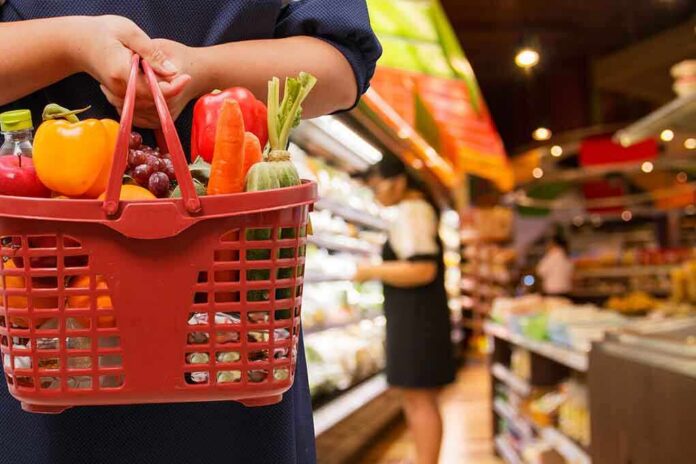
People taking GLP-1 drugs like Ozempic and Wegovy are quietly buying less sugar, fewer carbs, and more protein every time they hit the supermarket.
Quick Take
- A Danish study tracked nearly two million grocery receipts from 1,177 adults, including 293 who started a GLP-1 drug.
- After starting treatment, shoppers bought food with less energy, sugar, carbs, and saturated fat, and slightly more protein.
- Ultra-processed food made up a smaller share of their shopping baskets after they began the medication.
- U.S. research shows a similar pattern, with households cutting grocery spending by about 5% within six months of starting the drugs.
The Danish Study That Tracked Nearly Two Million Receipts
Researchers behind the Health, Food, Purchases and Lifestyle study in Denmark pulled supermarket data from 1,177 adults between 2019 and 2022. Of those, 293 people started a GLP-1 receptor agonist during the study window. The team compared more than 80,000 receipts from before treatment began to over 1.1 million receipts collected afterward, giving them a detailed, real-world picture of how shopping carts changed.
The findings landed in JAMA Network Open, a peer-reviewed medical journal, under the title “Consumer Food Purchases After Glucagon-Like Peptide-1 Receptor Agonist Initiation”. That matters because it’s not a survey asking people what they think they eat. It’s actual checkout data, pulled straight from loyalty card records, removing a lot of the guesswork that usually clouds nutrition research.
What Shifted in the Shopping Cart
The numbers themselves are small but consistent. Average energy density in purchases dropped from 209.4 to 207.3 kilocalories per 100 grams. Sugar fell from 15.7 to 15.1 grams per 100 grams. Carbohydrates slipped from 19.8 to 19.3 grams per 100 grams. None of those changes would show up in a single trip to the store, but added up over a year of grocery runs, they paint a clear directional trend.
Saturated fat dropped too, while protein content ticked slightly upward. Just as notable, the share of ultra-processed foods in shopping baskets declined after people started the medication. That’s the category packed with the snack foods, sugary drinks, and packaged convenience items that nutrition experts have warned about for years. A drug reducing appetite is one thing; a drug nudging people away from processed junk and toward whole ingredients is a different kind of story.
How This Compares to the American Grocery Bill
The Danish findings aren’t an isolated blip. Research out of the United States has tracked household grocery spending before and after someone in the home starts a GLP-1 drug. Those households cut total grocery spending by roughly 5% within six months, with the steepest drops showing up in snacks, sweets, bakery items, and cookies. Appetite suppression and nausea, common side effects of these medications, appear to be driving people away from the exact foods lining the center aisles of most supermarkets.
A separate economic analysis found an even sharper effect at the dollar level. Households starting GLP-1 treatment cut total food-at-home spending by about $56 a month, with the biggest pullback hitting ultra-processed products. Add it up across the millions of Americans now on these drugs, and you get a shift in household budgets that grocery chains and food manufacturers can’t ignore for long.
What It Means for the Food Industry
A food industry briefing circulating in the United Kingdom reached a similar conclusion: GLP-1 users are spending less on food overall and buying fewer calories, sugars, saturated fats, and carbohydrates, while nudging protein purchases upward. It’s worth remembering that buying habits and actual eating habits aren’t always the same thing, since groceries can be shared across a household or go to waste. Still, when shopping-cart data lines up across two countries and multiple independent research teams, it’s a trend worth watching, not a coincidence.
For an industry built on volume and shelf space, even a modest shift toward lower-sugar, higher-protein, less-processed purchases adds up fast. Grocery chains, snack makers, and restaurant chains are already adjusting product lines to chase the GLP-1 shopper. The medication cabinet, it turns out, is starting to reshape the cereal aisle.
Sources:
nutritioninsight.com, foodnavigator.com, sciencemediacentre.es, scienceblog.com, foodfoundation.org.uk, ideas.repec.org, pmc.ncbi.nlm.nih.gov